

Making a charitable donation is an act of generosity and trust. You are entrusting your hard-earned money to an organization, believing it will use those funds effectively to make a difference in the world. But with millions of nonprofits operating, how can you be sure your contribution will be used wisely?
Learning how to research a nonprofit is an essential skill for any thoughtful donor. It empowers you to move beyond emotional appeals and make data-driven conclusions that maximize the impact on the community.
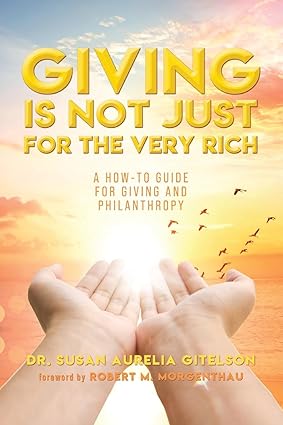
As Susan Aurelia Gitelson’s book Giving Is Not Just For The Very Rich champions, you don’t need immense wealth to make a profound difference, but you do need the tools to give smartly. This excellent guide will inform you about practical steps to investigate a charity’s finances, governance, and true effectiveness.
Start with Professional Watchdog Organizations
The most efficient way to begin your research is to consult independent charity watchdog groups. These organizations specialize in gathering and analyzing data on thousands of nonprofits, making it easier for you to evaluate them. Key platforms include:
Candid (formerly GuideStar):
This is perhaps the most comprehensive source of information. Candid provides access to a nonprofit’s IRS filings (Form 990), mission, programs, and financial data. By creating a free account on their website, you can access detailed reports, including the nonprofit’s “Seal of Transparency,” which indicates how much information they voluntarily share.
This organization is well-known for its star rating system (zero to four stars). It analyzes nonprofits based on their financial health, accountability, and transparency. Moreover, they also provide information on a charity’s impact and results.
BBB (Better Business Bureau) Wise Giving Alliance:
This group evaluates charities against a set of standards related to governance, finances, fundraising appeals, and donor privacy, offering a seal of approval for those that meet them.
These platforms allow you to quickly check nonprofit performance metrics like the percentage of budget spent on programs versus administrative or fundraising costs. A common benchmark is that at least 65% of expenses should go toward programs.
Dive into the IRS Form 990
The IRS Form 990, “Return of Organization Exempt from Income Tax,” is a powerful public document that every nonprofit must file annually. You can find these forms for free on sites like Candid, ProPublica’s Nonprofit Explorer, or the IRS website itself. It is a goldmine of information that provides a much deeper look than a charity’s promotional materials.
Learning how to research a nonprofit effectively means knowing what to look for on the 990.
Part III: Statement of Program Service Accomplishments: This section should tell the story of what the nonprofit actually achieved during the year. Look for clear, descriptive language about their programs and the results they achieved. This part is an indicator of the effectiveness and relevance of their projects, programs, and plans.
Part IX: Statement of Functional Expenses: This breaks down expenses into three categories: program services, management and general, and fundraising. This is where you can verify the efficiency metrics you might have seen on Charity Navigator. Additionally, this section shows how the organization uses the funds—whether for projects, maintenance, or other activities.
Part VI: Governance, Management, and Disclosure: This particular section reveals a great deal about how the organization is run. You can check whether the board is independent and whether the organization has key policies in place, such as a conflict-of-interest policy or a whistleblower policy. The presence of these policies is a strong indicator of good governance and a commitment to charity financial transparency.
Part VII: Compensation: This part lists the salaries of officers, directors, and key employees. While compensation should be reasonable to attract talent, excessively high salaries relative to the organization’s size can be a red flag. It’s important that a large portion of donations go to the communities that need help, not to the people running the organization. A decent pay can suffice for positions in the institution.
Schedules L and R: Pay special attention to these schedules. Schedule L lists transactions with “interested persons” (board members, officers), and Schedule R lists related organizations. These can reveal potential conflicts of interest or complex financial structures that warrant further investigation.
Evaluate the Nonprofit’s Own Communications
After reviewing third-party data, go directly to the source: the nonprofit’s website. A trustworthy organization should be transparent about its work. Look for:
- The Mission and Programs: Is the mission clear and focused? Do the program descriptions align with the activities described in the Form 990? Do the group’s vision and mission statements resonate with their work?
- Financial Reports: Many nonprofits publish their annual reports and audited financial statements online. Audited financials provide an extra layer of assurance, as they have been reviewed by an independent accounting firm.
- Annual or Impact Reports: Go beyond the numbers to understand the story of their impact. An effective impact report will not just list activities but will also share compelling stories and use data visualizations to show progress toward its goals. Look for evidence of measurable outcomes.
- Staff and Board: Reputable organizations list their leadership team and board of directors. This allows you to see who is running the organization and if there is any crossover with other organizations you may know.
Understand the Context and Be Aware of Nuance

While financial ratios and ratings are incredibly useful, it’s important to remember they don’t always tell the full story. As you learn how to research a nonprofit, consider the context.
For example, a very young, rapidly growing nonprofit might have higher administrative costs in the short term as it builds its infrastructure. An organization that invests in owning its own building might carry a liability on its balance sheet that temporarily affects certain financial ratios, but that investment might be a wise long-term strategic move. Look for consistency in their financials and clear explanations for any anomalies. Check their financial reports for multi-year trends rather than focusing on a single year in isolation.
Find the Perfect Organization to Trust
Understanding how to research a nonprofit transforms you from a passive donor into an active and informed philanthropist. By utilizing watchdog sites, diving into the details of IRS Form 990, and thoughtfully evaluating a charity’s own communications, you can give with confidence, knowing your contribution supports an organization that is both effective and accountable.
As Susan Aurelia Gitelson’s book Giving Is Not Just For The Very Rich encourages, everyone can be a philanthropist when they are equipped with the right knowledge and tools. Your generosity, when guided by careful research, can create the lasting change you hope to see. Don’t forget to grab a copy of Giving Is Not Just For The Very Rich today!

0 Comments
Trackbacks/Pingbacks