

The terms “charity” and “philanthropy” appear frequently in discussions about giving, yet many people use them interchangeably without recognizing their distinct meanings. Understanding the difference between charity and philanthropy matters for anyone who wishes to give thoughtfully and effectively. Moreover, it avoids the confusion connoted by the connection of the two words.
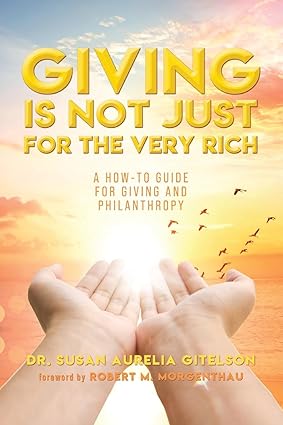
Susan Aurelia Gitelson’s book Giving Is Not Just For The Very Rich illuminates this distinction while demonstrating that impactful giving remains accessible to households at every income level. This article provides a clear comparison between these two approaches to generosity, helping readers determine which style—or combination—aligns with their values and goals.
Defining the Two Terms
Before exploring distinctions, establishing clear definitions proves essential. According to Merriam-Webster, charity encompasses “generosity and helpfulness especially toward the needy or suffering” as well as “aid given to those in need.” The term carries connotations of direct assistance, emotional connection, and immediate response to visible suffering.
Philanthropy derives from ancient Greek roots: phílos (friend) and ánthrōpos (human being), literally meaning “love of humanity.” This etymological foundation reveals philanthropy’s broader scope—concern for humanity itself rather than specific individuals in distress.
Core Distinctions Between Charity and Philanthropy

The difference between charity and philanthropy manifests across several key dimensions. Understanding these distinctions helps donors align their giving with their intentions.
Time horizon represents perhaps the most fundamental difference. Charity typically addresses immediate needs—providing food and clothes after a disaster, garments for a homeless family, or medical supplies and materials during a crisis. Philanthropy, conversely, seeks to create long-term impact by addressing the root causes of social problems.
Scope and scale also distinguish these approaches. Charity often operates at individual or local levels, helping specific people in identifiable circumstances. Philanthropy typically tackles broader challenges—educational reform, disease eradication, environmental protection—through institutional approaches and sustained effort.
Personal connection varies significantly between the two. Charity involves a personal and direct connection with those in need of assistance. On the other hand, philanthropy does not necessarily demand or imply a certain connection with the person receiving the help. As an example, a hospice exemplifies charity while a library represents philanthropy.
A strategic approach further separates these giving styles. Charity responds to needs as they arise—reactive, flexible, emotionally driven. Philanthropy plans proactively, conducting research, measuring outcomes, and adjusting strategies based on data. One seeks immediate relief; the other seeks a solution.
Charity: Immediate Relief and Personal Connection
Charity shines brightest in moments of obvious need. When disaster strikes, when a family faces eviction, when children lack winter coats—charity responds with speed and compassion. Its strength lies in its directness, its human scale, its refusal to look away from suffering.
The emotional dimension of charity carries real value. Donors experience satisfaction from knowing exactly how their gifts helped. Recipients receive not just material assistance but the reassurance that someone noticed, someone cared, someone acted. This relational aspect distinguishes charity from more institutional giving. Short-term relief represents charity’s essential contribution.
Charitable outreach programs operated by local churches, community centers, and small nonprofits constitute the vast majority of giving organizations. These modest operations, sustained by everyday donors, form the grassroots infrastructure of American compassion.
Philanthropy: Strategic Change and Systemic Solutions
Philanthropy asks different questions. Rather than “who needs help right now,” philanthropy inquires, “why does this need exist, and how might we prevent it?” This forward-looking orientation seeks not temporary relief but permanent improvement.
The strategic character of philanthropy manifests in its emphasis on outcomes and accountability. Philanthropic donors evaluate return on impact, create metrics, and assess multi-year program success. This discipline, while sometimes appearing clinical, ensures that resources flow toward approaches that actually work.
The meaning of philanthropy extends beyond wealthy donors writing large checks. The biblical Good Samaritan, who took care of an injured man without expectation of repayment, exemplifies philanthropic spirit—using resources (time, money, attention) to address needs created by systemic vulnerability.
Where Charity and Philanthropy Overlap
Despite their differences, charity and philanthropy share essential common ground. Both proceed from recognition that needs exist and that individuals can make a difference. Both depend on donors’ willingness to share resources with others. Both contribute to the common good.
The most effective approaches often combine elements of both. A donor might support both a food bank (charity) and policy research aimed at addressing the causes of hunger (philanthropy). A volunteer might serve meals while also advocating for systemic change. These complementary approaches recognize that immediate relief and long-term solutions need not compete—they can, and should, coexist.
Susan Aurelia Gitelson’s Giving Is Not Just For The Very Rich emphasizes precisely this point. Her book presents examples ranging from the wealthiest and most influential donors to volunteers and social media networkers, demonstrating that giving back to society takes countless forms and options accessible to people from all walks of life. The key is intentionality—understanding what one hopes to accomplish and choosing approaches aligned with those goals.
Which Approach Fits Your Goals?
Determining whether charity, philanthropy, or some combination suits your situation requires honest self-reflection. Consider these questions:
What timeline matters to you? If you desire immediate, visible impact, charity likely satisfies that longing. If you care about long-term transformation, philanthropy merits attention.
What level of involvement do you prefer? Charity requires less structure—identify a need, respond, move forward. Philanthropy demands ongoing attention, research, and adjustment.
What resources can you contribute? Charity welcomes gifts of any size directed toward immediate needs. Philanthropy, while certainly benefiting from large donations, also accommodates modest contributions pooled with others through foundations or giving circles.
What legacy do you hope to leave? Charity’s impact, while real, may not outlast the immediate need it addresses. Philanthropy aims for enduring change that outlives the donor.
Most people will find that both approaches have their place. Giving donations to a local shelter exemplifies charity; consistent monthly support for an organization working on root causes exemplifies philanthropy. Neither approach invalidates the other; both contribute to a more compassionate, just world.
Impactful Giving for the Community
The difference between charity and philanthropy reflects two complementary approaches to human need. Charity responds with compassion to immediate suffering; philanthropy works strategically to prevent suffering’s causes. Both derive from love of humanity—charity’s love for particular humans in visible distress, philanthropy’s love for humanity itself, including generations yet unborn.
Susan Aurelia Gitelson’s Giving Is Not Just For The Very Rich reminds readers that neither approach requires vast wealth. Every family can practice charity through direct assistance to neighbors in need. Every family can engage in philanthropy through thoughtful, sustained support for organizations addressing root causes. The question is not whether you have enough to give, but whether you will give with enough intention to make your generosity matter.
So, make the time today and give something back. And when you have time, grab a copy of Giving Is Not Just For The Very Rich right now!

0 Comments
Trackbacks/Pingbacks