

Photo by cookie_studio
An alarmingly large number of people believe only the wealthy can be philanthropists, and that feeling is common when starting from scratch.
But as Dr. Susan Aurelia Gitelson writes in Giving Is Not Just For The Very Rich, “giving back” is something anyone can do. This kind of planned giving for beginners does not require a big bank account, but it does need some thought, care, and a little bit of planning.
Starting from scratch means you are building a new habit, beginning with nothing except your wish to help, and that is perfectly fine.
The goal is to turn that wish into action that feels good and does real good.

Photo by BalashMirzabey
Why Your First Gift Matters More Than Its Size
Small gifts can change lives, as Dr. Gitelson explains: “[Concern] for others often leads simultaneously to greater joy for yourself.”
That joy is not tied to a dollar amount. For example, a $10 donation to a local food bank buys twenty meals, while a$25 gift buys school supplies for one child.
Starting from scratch does not mean waiting until you are rich, but giving what you can right now.
The act of giving teaches you about your own values, with each small gift acting like a test. You learn which causes feel right and which groups use money well. Over time, those small gifts add up, building up your confidence as a donor.
Remember, people who give money or time are often happier than those who do not. That is not just an opinion because that is what research shows.
Finding Your Cause When You Begin with Nothing
You cannot give to every charity. That’s just the reality of things. You don’t have all the money in the world, and even if you did, you still couldn’t give to every charity. There are too many problems in the world, and the best thing you can do is to focus on the things that matter most to you.
Beginning with nothing forces you to be choosy, which is actually a strength. Dr. Gitelson advises readers to think about their “deepest concerns and purposes.”
Make a short list of problems that bother you. Hunger? Sick animals? Kids who cannot read? Pick one or two, and never pick ten.
A new project works best when it is narrow, letting you hone in on your vision and focus your resources where they are sorely needed.
A donor who loves dogs might give only to a local shelter, while a person who lost a family member to cancer might give only to research.
Starting from scratch means you have permission to ignore all other requests. Say no to the rest, and say yes only to what truly moves you. This focus will make your giving more powerful while also making you more likely to stick with it.
Making a Start with Your Time and Talent
Money is not the only way to give. Making a start can also mean volunteering. Dr. Gitelson notes that “volunteering is … central to the American way of life.”
Volunteering requires concern and imagination, not cash. For example, a retired teacher can tutor reading. In another, a teenager can walk dogs at the shelter, and an accountant can help a small charity with its books.
These gifts of time are priceless while, at the same time, they also let you see how a charity works from the inside.
That knowledge helps you decide later where to send money.
Starting from scratch might mean giving two hours a month, and that’s fine. Many groups need steady, reliable help more than big donations.
So, contact a local food pantry, library, or nursing home. Ask what they need. Then show up.
Dr. Gitelson reminds us that “volunteers have been serving society in innumerable ways.” You can be one of them.
Making Your First Real Donation Plan
A plan stops you from giving randomly. Starting from scratch works best with a simple budget. Look at what you spend on coffee, movies, or eating out.
Could you set aside $5 or $5 or $10 each week for giving? That adds up to $250 or $250 or $500 a year. Write down your giving goal. Then decide how often to give: once a month, once a season, or one big gift at year’s end. Planned giving for beginners also means keeping records. Save receipts. They help at tax time. More importantly, they help you see your own growth as a donor.
After one year, look back. Ask yourself: Did my gifts make me feel connected? Did I see any results? If yes, keep going. If not, adjust. Dr. Gitelson says we should “re-evaluate the organization after one year, five years, and then ten.” That is smart for any donor, new or old.
Avoiding Common Beginner Mistakes
Many first-time donors fall into traps.
- One trap is giving to every friend who asks, scattering your overall power.
A new project needs focus.
- Another trap is giving only to big, famous charities.
Small local groups often do amazing work with very little overhead.
- A third trap is forgetting to ask questions.
Dr. Gitelson suggests asking who the leaders are and if they are known personally by the ground team, the ones who actually do the work.
Good charities welcome questions because they are proud to share their results.
- A fourth trap is giving once and never following up.
From the very beginning, plan to check in. See if the charity sends updates. Suppose they do not ask for them.
- Last is feeling guilt.
You don’t have to because you cannot save everyone. It might be that you can help a few people really well, and that is enough.
Beginning with nothing means accepting your limits. That acceptance frees you to give joyfully without burnout.

Photo by benzoix
Take the Next Step in Your Giving Journey
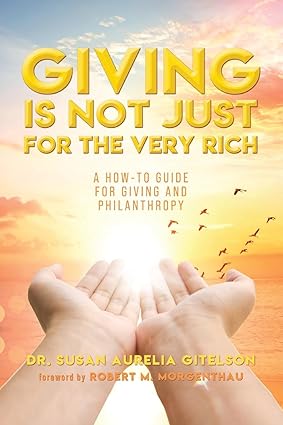
You have read the guide, so now it is time to act because the best teacher is experience; a great companion, though, is Dr. Susan Aurelia Gitelson’s book, Giving Is Not Just For The Very Rich: A How-To Guide For Giving And Philanthropy, which is packed with more examples, more tools, and more encouragement for donors at every level.
Buy the book today and discover how your small steps can lead to a lifetime of meaning and joy.

0 Comments