

Photo by rawpixel.com
Crowdfunding for charitable causes has become quite popular these days. Every cause under the sun has benefitted from online fundraising and charitable crowdfunding. How couldn’t it have in this day and age? When people are vastly more connected with one another and with the global systems at large!
Today, it’s so much easier to send money from one place to another, be made aware of a cause from across the other side of the world, get to personally know someone deeply affected by some rare event or circumstance, and have the means and wherewithal to contribute some aid, however small and meager. When this happens and people, especially those who can be reasonably regarded as middle-class, lend their support and assistance through small-time donations, the heavy work of charity becomes much, much lighter.
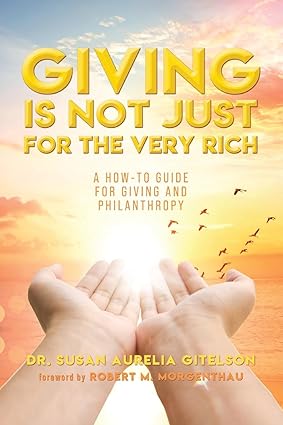
Everyone can contribute, and anyone can count themselves in the push to change the world. This is the thesis of Dr. Susan Aurelia Gitelson’s Giving Is Not Just For The Very Rich. A wonderful book that is replete with ideas and perspectives that support the vision of grassroots charity through community support and individual-focused ways to raise funds for charity.

Photo by jcomp
What is Crowdfunding?
Crowdfunding is what it is: funds that are raised from a crowd. This is typically done by groups or entities that may find themselves in a tizzy, scrambling to raise funding or capital for their project. They may end up this way because they couldn’t negotiate properly with private investors, lack the channels to raise private funds, or because their project is too niche or too specific to find wider avenues for capital.
Therefore, charitable crowdfunding is exactly like the above, except that the project in question contributes meaningfully and materially to a humanitarian cause. For many young people in the age of the internet, crowdfunding is a perfectly valid and effective way to support charity. Having either grown up with the internet or engaged with it daily, charitable crowdfunding is the best way for them to contribute to causes that are dearest to their hearts without ever having to engage directly with the people running the charity (although this might have its own demerits).
where crowdsourcing came from
With the emergence of social media platforms like Facebook and Twitter, people found new ways to unite around a cause, using these networks to ask for small donations from large, wide audiences. The formulation of this “citizen philanthropy” enabled ordinary people to participate directly, underscoring the mechanics of peer-to-peer fundraising and the power of collective small-dollar giving.
The Benefits of Community Supported Altruism
Crowdsourcing aligns perfectly with aggregating many small gifts for a larger contribution. According to Dr. Gitelson, “[About] 65 percent of households with less than $100,00 [give] to charity in 2006,” while “working-age Americans making $50,000 to $100,000 a year [gave] a higher percentage…” These numbers indicate strong interest among non-rich people in contributing to and engaging in charity and altruism, all small donations that add up to a big impact.
The model that crowdsourcing platforms have adopted to better help you sift through causes that are dear and near to your heart is a major appeal, allowing citizen-donors to resonate more with programs and causes with which they have a personal connection.
Crowdsourcing is also an ideal mechanism for spotlighting important projects that may struggle to gain traction through more traditional channels. For these underrated programs, Gitelson advises to “[give] money…especially if you have only limited resources, so that, if it is successful, it can be supported by more substantial organizations.”
On that previous note, the rise of charitable crowdsourcing has lowered the barrier to entry for funding creative, grassroots efforts that have a more localized scope and impact, allowing them global visibility while still keeping to their focused goals.
how to crowdsource
Crowdfunding can be an effective way for nonprofits to raise funds and reach a wide audience. However, it is important to weigh the pros and cons carefully before embarking on a crowdfunding campaign. By understanding the potential benefits and challenges of crowdfunding, nonprofits can make informed decisions about whether to pursue this fundraising method within their overall portfolio of strategies. Crowdfunding is a tool, not an overall approach to funding your mission.
Before getting involved in a crowdfunding effort, it’s always smart to conduct your due diligence and ensure that the programs you are contributing to are actually legitimate with actionable goals and aims. While charitable crowdsourcing has allowed the common person to more quickly engage with their preferred causes and charities, it has also allowed more unscrupulous organizations to take advantage of people’s altruism.
As such, it is critical that any potential donor do their due diligence.
Be careful of:
- The fees charged. Fees will vary from platform to platform, but it’s almost always a fixed percentage. Check beforehand before making any contribution.
- The distribution system of the program. Ensure that the funds raised are actually sent to the charity in question and not merely to the people handling the fundraising.
- The credibility of the charity. Although you are contributing via a platform that should have reasonably vetted its users, it is still important to double- or triple-check just to be sure.

Photo by jcomp
The Best Crowdfunding Platforms
If you want to help with general and personal emergencies:
- GoFundMe is your pick. As the world’s largest crowdfunding site, GoFundMe is excellent for medical bills, disaster relief, etc. It offers 0% platform fees, though standard payment processing fees still apply. Because it already has a massive built-in audience, campaigns on GoFundMe can easily find a wide audience. What sucks is that the platform wasn’t designed for ongoing operational fundraising, and added to the fact that intended recipients in high-risk regions might have difficulty receiving their funds.
If you want to give recurring donations:
- Patreon is ideal. More known as a platform for selling and distributing content, Patreon is wonderful for charities that operate a media wing (e.g., podcasts, educational series, etc.), creating predictable, sustainable funding.
Beyond crowdsourcing, there are plenty of ways to do charity and flex your altruistic muscles! Anyone can donate, and everyone has the capacity to be a giver. Dr. Susan Aurelia Gitelson’s Giving Is Not Just For The Very Rich is available for purchase here.

0 Comments