

Photo by rawpixel.com
When we talk about the trends, strategies & future of philanthropy, the conversation often turns to big donations and wealthy benefactors—individual altruism.
But there is another powerful force for good in the world that happens between neighbors, in community groups, and through local networks: mutual aid.
Understanding both helps us see the full picture of how people can help one another. True community strength comes from understanding reciprocity and generosity and how these two ideas work together to build a better world for everyone.

Photo by freepik
What is Philanthropy?
Philanthropy is a word that we often think is fancy and distant, but its meaning is simple, coming from the combination of two ancient Greek words that, together, mean “love of humanity.”
Today, philanthropy describes the act of giving money or resources to help others through private initiative, usually involving a system of some kind.
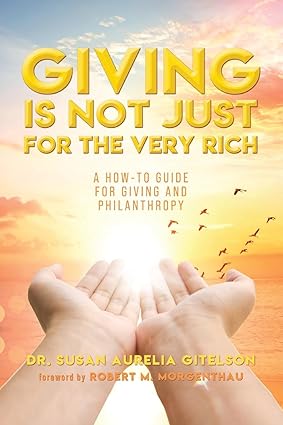
Dr. Susan Aurelia Gitelson, in Giving Is Not Just For The Very Rich, explains that philanthropy is for everyone, writing that “[the] real essence of philanthropy is not about the size of the gift, but how it empowers individuals and communities toward self-reliance and long-term sustainability“.
Philanthropy often looks to the future and tries to find the root causes of problems so they don’t keep happening.
What is Mutual Aid?
Mutual aid is a different way of helping that is based on people within a community working together to support each other. Think of it as neighbors helping neighbors for no other reason than helping each other is good–a rising tide raises all ships and all that. Everyone has something to offer, and everyone has needs. Mutual aid is a two-way street that then creates a circle of reciprocity and generosity.
A key idea in mutual aid is “solidarity not charity,” which means people see themselves as partners, not as one person who is “better” and one who is “worse off.”
During hard times, like the pandemic, mutual aid networks popped up everywhere, where people delivered food to elderly neighbors or shared information about where to get help.
Mutual aid shows us a future wherein society is built upon mutual respect and assurances, not from constant competition.
The Key Differences Between Mutual Aid and Philanthropy
The main difference between philanthropy and mutual aid is how the help flows within each paradigm. Philanthropy often flows one way: a donor gives to an organization, which gives to a person who is in need, while mutual aid flows in a circle, building relationships that last for a long time.
Philanthropy builds ties between people and organizations, while mutual aid builds ties directly between people.
Another thing: philanthropy can sometimes feel distant, while mutual aid feels personal because it comes from within the community itself.
Why We Need Both
Both ways of giving are important, and they do different jobs, according to the circumstances and parties involved.
Philanthropy, for example, provides substantial funding to hospitals or universities for research in curing diseases, and creates scholarships for students who cannot afford school. This connects directly to ideas like empowerment through education. When you give to a scholarship fund, you are helping a student learn skills that will last a lifetime and promoting that individual’s personal growth.
Mutual aid fills in the gaps that bigger systems miss. It is quick, flexible, and reactive to what people really need right now. A mutual aid network might help a family pay an unexpected electric bill, or they might organize a group to fix a neighbor’s roof. This work is about fostering self-reliance within the group. Mutual aid recognizes that we all have needs and are capable of helping each other. This kind of help builds strong community bonds and makes everyone feel connected and valued.
Reciprocity and Generosity for a Stronger World
The best approach is to do both if you can. You don’t have to be rich to be a philanthropist, as Dr. Gitelson reminds: “[Anyone] can make a meaningful change through strategic and thoughtful giving“.
Giving Is Not Just For The Very Rich is a guide for people with modest means on how to make a big difference, which could mean giving money each month to a local animal shelter or donating to a national hunger-fighting organization.
This, although small and personal, is a form of philanthropy, using your resources to support an organization doing good work.
You can also practice mutual aid in your daily life by looking for ways to help people directly: maybe you know a single parent who could use a night off, so offer to watch their kids; or maybe a family down the street lost their job, so why not leave a grocery store gift card in their mailbox? Join a local community group that shares resources.
When you practice mutual aid, you are teaching life skills by showing others how a community should work together, and if you are a parent, you are showing your own children what it means to be a good neighbor.
When you combine these two actions, you create a powerful force that can only flourish further. You are supporting big, organized efforts to solve problems while, at the same time, building strong, caring relationships right where you live. As an individual, you become part of a network of reciprocity and generosity that lifts everyone, where you are not just writing a check to feel good but are actively contributing to your community’s well-being.
This is how we build a world where everyone has what they need to thrive.

Photo by jcomp
Be Someone who Gives Now
Are you ready to make a real difference? A fortune is not needed to change the world. You just need the desire to help and a good plan.
Dr. Susan Aurelia Gitelson’s book, Giving Is Not Just For The Very Rich: A How-To Guide For Giving And Philanthropy, is the perfect place to start, showing you how to give in ways that are smart, meaningful, and create lasting change, and teaching you how to blend the best of organized giving with the heart of community support.
Join the movement of smart, generous givers who are making the world a better place, one act of kindness at a time.

0 Comments
Trackbacks/Pingbacks