

The roar of the crowd, the thrill of competition, and the camaraderie of teammates create a powerful energy that extends far beyond the final whistle. When harnessed for good, this energy has an extraordinary capacity to transform lives.
For individuals passionate about athletics and eager to give back, sports charity involvement offers a meaningful avenue to combine love of the game with genuine community impact. These initiatives raise critical funds for projects while creating bridges between fans, athletes, and vulnerable members of society.
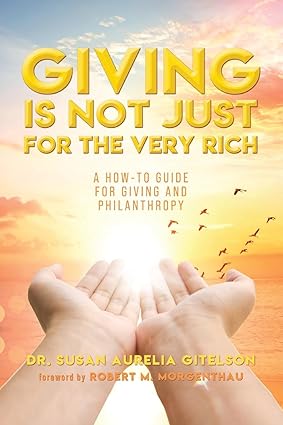
Susan Aurelia Gitelson’s book, Giving Is Not Just For The Very Rich, serves as an invaluable resource on this journey, demonstrating that impactful philanthropy is accessible to anyone and everyone in the community. This guide presents five well-founded and actionable ideas inspired by real-world successes and grounded in best practices for effective giving.
Idea 1: Power Youth Sports Through Corporate and Retail Partnerships
One of the most immediate ways to foster sports charity involvement is to address the financial constraints that prevent young people from participating in organized athletics. Registration fees, equipment, uniforms, and travel can be prohibitive for many families.
Therefore, partnering with local businesses or participating in national retailer programs can provide a direct lifeline to struggling youth leagues. For instance, the national “Feed the Dream” promotion by Chobani allows local clubs to compete for one of 500 sponsorship packages worth $5,000 each, which can cover player fees or equipment.
Similarly, collaborations between major brands like Spectrum and TeamSnap have provided resources, funding, and scholarships to youth sports associations across the country. These partnerships demonstrate that strategic alliances with corporations can turn a small administrative effort into a significant source of funding.
Idea 2: Foster Inclusion Through Adaptive and Therapeutic Sports
Not all barriers to entry in sports events and programs are financial. For wounded veterans, individuals with disabilities, and those facing chronic health challenges, the barrier is often physical accessibility. And so, getting involved with organizations that champion adaptive athletics is a profound way to practice sports charity involvement.
A powerful example is the Achilles Freedom Team, supported by The Cigna Group with nearly $1 million over three years to help wounded veterans and adaptive athletes participate in premier endurance races.
Similarly, the Twinning Project—now active in New Zealand through Auckland FC—partners with prisons to provide football coaching certificates to inmates, supporting rehabilitation and reintegration through sports celebrity philanthropy. Volunteers can serve as guides for blind runners, assist in organizing adaptive events, or donate to cover specialized equipment costs.
Idea 3: Engage in Gamified and Activity-Based Fundraising
Traditional fundraisers can sometimes feel like obligations, but gamified events turn giving into a celebration of effort. This model uses charity sports tournament fundraising techniques that focus on participation rather than winning. By sponsoring an athlete per lap, per mile, or per point scored, donors connect their money directly to the participant’s exertion.
A stellar real-world example comes from Humboldt-Universität zu Berlin, where students developed the“Your Jump for Cancer Research” campaign. The concept was brilliantly simple: for every long jump completed, sponsors donated money. The result was 7,137 jumps and a matching donation to critical pediatric cancer research.
This model works for any activity: a basketball shoot-a-thon, a soccer dribbling marathon, or a charity swim. It also allows peer-to-peer fundraising, where participants can share their personal pledge pages, extending the event’s reach beyond the immediate playing field.
Idea 4: Champion the Cause Through Corporate Spectatorship
For individuals who may not be athletes themselves, sports figure endorsement for charity offers another avenue for involvement. However, one does not need to be a celebrity to leverage athletics for good. Spectatorship for a cause turns passive viewing into active fundraising.
Fans can host tailgates or viewing parties where admission is a donation to a local food bank or homeless shelter. As highlighted by St. Jude Children’s Research Hospital, supporters can “come together for St. Jude kids as you watch the game,” transforming game day into a powerful force for good.
For those in leadership positions at companies, negotiating sponsorship deals that tie a business’s advertising budget to charitable outcomes—such as donating a percentage of sales from game-day merchandise—creates a sustainable cycle of giving.
Idea 5: Sustainable Event Management: The “Green” Tournament
Environmental stewardship is often an overlooked aspect of charity, yet sports events generate massive amounts of waste. Modern sports charity involvement increasingly integrates sustainability, turning a tournament into a lesson in environmental responsibility.
The ICF Slalom World Championships in Sydney 2025 provide a blueprint. Organizers powered the event entirely with renewable electricity, eliminated single-use plastics via water refill stations, and ensured nearly three-quarters of all waste was diverted from landfill.Furthermore, surplus food was redirected daily to support local charities, ensuring the event’s impact extended beyond the competition itself.
Individuals can implement this on a smaller scale by organizing “plogging” events (jogging while picking up litter) or “green runs” where a portion of the proceeds goes to conservation. This approach aligns with the professional sports team foundation strategies used by major leagues to achieve net-zero carbon emissions, proving that athletic events can be a force for planetary health as well.

Bonus Idea: The Classic Charity Golf Tournament
The charity golf tournament remains a staple of fundraising for a reason: it offers high engagement and significant sponsorship opportunities. However, to maximize sports charity involvement, organizers must modernize the approach.
This involves utilizing digital tools like real-time scoring apps to keep participants engaged. Furthermore, offering attractive sponsorship tiers (Title Sponsor, Hole Sponsor, Beverage Cart Sponsor) caters to a range of budgets, from local plumbers to multinational banks. To avoid the pitfalls of relying solely on the wealthiest donor—a myth Susan Aurelia Gitelson debunks—organizers should also incorporate low-barrier entry activities like raffles for high-value items (e.g., a signed jersey) and on-course challenges (e.g., “Closest to the Pin”) that encourage small-dollar, high-frequency giving.
This simple yet exciting idea can be an excellent avenue for building relationships and strengthening ties. Importantly, it’s a brilliant way of engaging people while raising funds for those who need assistance.
Pitch Your Favorite Sporting Event
Whether an individual is lacing up running shoes for a 5k, organizing a recycling drive at a local soccer pitch, or donating frequent flyer miles so a veteran can race in a marathon, the opportunities to get involved with sports charities are as diverse as the games we love.
By moving beyond the misconception that giving requires immense wealth and instead harnessing the collective power of community, sweat, and sport, anyone can become a champion for change. So, if you want to start planning a sporting fundraising event, take time to read Susan Aurelia Gitelson’s fantastic book, Giving Is Not Just For The Very Rich. Grab your copy right now!

0 Comments