

Photo by rawpixel.com
Creating a giving plan that works for you means giving to one that fits your values, budget, and schedule. Many people want to help others but feel unsure where to start: the key is hammering out the kinks in your approach before you write a single check, taking time to reflect on what matters most to you, and finding organizations that align with your goals.
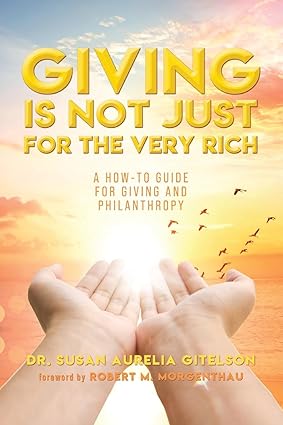
Dr. Susan Aurelia Gitelson, author of Giving Is Not Just For The Very Rich, understands this struggle.
“Since you have decided you want to give to others with maximum impact, [let me] help you examine your values and motivations, decide which institutions can best carry out your goals, and become an active, creative, and innovative giver.”
Dr. Gitelson shares her own story of how she first became a dedicated giver: “My core idea and the title appeared in an article I wrote… in which I started: ‘Have you ever read about multi-million-dollar contributions from Bill Gates or another mogul and felt, How does this apply to me? I could never do anything on that scale!'”
The truth is, you can make a difference. It’s just the first step is always looking inward at what moves you to action.

Photo by Lifestylememory
Starting With What You Know
Look around your own community first. The needs closest to home are often the easiest to see and understand, whether it be your local church, food pantry, or school–they all likely need help right now.
Dr. Gitelson points out that “personal experience within your own religious group is probably the best way to launch your giving.”
The same idea works for any local group. When you can visit and volunteer, you quickly learn whether your money and time are being used well.
So, start small and pick one local group that does work you believe in. Visit them and ask questions to see if their approach matches what you have in mind.
This hands-on look helps you avoid wasting donations on groups that don’t deliver real results.
Checking Out Legitimate Charities
Before sending money anywhere, take time to look under the hood. Good charities will want you to ask questions and want you to ask them, too. If they are really genuine, they should share information about their work and spend freely.
Dr. Gitelson suggests asking tough questions: “Transparency: what percentage of the funds they collect actually go to the cause and how much to overhead? Are they pioneers, innovators or leaders in their fields, or are they duplicating and overlapping with other similar organizations? If they did not exist, would they really be missed?”
Websites like Charity Navigator and GuideStar let you see how groups spend donations, where you can learn which ones allocate the most of their money to programs rather than fundraising or high salaries.
This research is a big part of ironing out details before you decide to commit.
So, watch out for pressure tactics because real charities don’t push you to give on the spot.
Dr. Gitelson warns: “Do not be pressured into donating… You have the right to request written information about the charity and time to think about what you wish to do.”
Deciding How Much to Give
Money worries stop many people from giving. You might think you need to be rich to help. This simply isn’t true. Small, regular gifts add up over time while also helping charities plan out for the future because they know what support to expect.
Dr. Gitelson makes this clear from the start: “While we will offer examples from wealthiest donors, we will also indicate how much is being done by people who are not very rich.”
The goal is to find what works for your budget.
So, look at your spending and pick an amount that feels right. Maybe it’s five dollars a week or twenty dollars a month–what matters most is giving regularly because this steady support helps organizations more than a one-time gift you’re not going to repeat.
Remember that giving isn’t only about money. Your time matters too. Volunteering lets you see your impact up close. It also helps you learn whether a group does good work before you become a financial donor.
Mixing It Up Without Spreading Too Thin
You might care about many causes–and that’s normal. There are a lot of problems in the world that we want to contribute to finding the solution to, but giving a little to everything means you don’tmake a big difference anywhere. Finding the right balance takes some thought.
Dr. Gitelson advises: “Diversify the institutions and causes you support so you won’t become overly entwined with any one group. On the other hand, once you have made your selection, focus your efforts closely with the groups you have top priority for you.”
Think of it like planting a garden: you might want to grow a few different vegetables, but you don’t plant one seed of fifty things. As such, pick two or three causes that matter most and give them your main support. For other groups you like, consider a small gift once a year.
This focused approach lets you build relationships with the organizations you support, letting you get to know the staff more and learning about their challenges and wins, resulting in your giving becoming more personal and more satisfying.
Making Your Plan Last
A giving plan works best when you stick with it over time. But, of course, we all know that life changes: your budget may shift, and new needs may appear while old groups may change direction. Therefore, your plan should flex with these changes.
Working through issues as they come up keeps your giving on track.
So, set a reminder to review your donations every year and always ask yourself whether each group still aligns with your values, checking if they still do good work with their money.
Dr. Gitelson suggests: “Re-evaluate the organization after one year, five years, and then ten in terms of your long-term commitments.” This regular check-in helps you catch problems early. If a group starts going in a direction you don’t like, you can shift your support elsewhere.
Talk to family about your giving, and if you have children or grandchildren, get them involved by letting them help choose where some donations go. This teaches them about helping others and builds habits that last a lifetime.

Photo by freepik
Ready to start your giving journey with more confidence and clarity? Pick up a copy of Giving Is Not Just For The Very Rich. You’ll find the tools, inspiration, and step-by-step guidance you need to make your giving count.

0 Comments
Trackbacks/Pingbacks