

Photo by freepik
They say that if you want to help, you have to go big. This very idea has stopped a lot of people from acting on their altruistic instincts, but it’s simply not true. You can actually still contribute, no matter how meager you think your contribution is.
Microphilanthropy, explained in the simplest terms, is the giving of small amounts of money, time, or talent to causes that you care deeply about. Not everyone has the money, time, or talent to give a 100%, and that’s alright.
You might give five dollars, one hour, or even just a small idea. They might not look like much, but they add up to big things with small beginnings.
You don’t need a billionaire’s bank account to feed a hungry child, help a student read, or support a local animal shelter.
Small, consistent actions create genuine change. This kind of giving feels good and costs less than a movie ticket, and anyone can try it starting today.

Photo by freestockcenter
Dr. Susan Aurelia Gitelson writes in Giving Is Not Just For The Very Rich that “the more you give to others the happier you are likely to become,” reminding readers that you can make “valuable contributions for much less money if you devise effective programs.”
A small monthly gift to a classroom project, a bag of groceries for a food pantry, or an hour of mentoring a teenager—these are not tiny acts but great achievements from tiny starts.
Microphilanthropy flips the old idea that only millionaires matter: every person holds the power to help, no matter how small.
How Small Donations Create Massive Growth
A single dollar given to a school supplies fund might buy one pencil, but one hundred people giving one dollar each buy one hundred pencils.
That is massive growth from a single seed multiplied by the community.
Dr. Gitelson’s book highlights DonorsChoose.org, where public school teachers post small requests. Through this platform, a donor can give twenty dollars for microscope slides while another can give ten dollars for books. Together, they fund an entire science unit.
This is “citizen philanthropy, where everyone can receive the choice, transparency, and feedback usually reserved for mega contributions.”
These giant leaps from humble steps happen every day on crowdfunding sites, where a small arts program buys paintbrushes, a homeless shelter buys blankets, and a literacy group buys reading lamps.
None of these gifts breaks seem remarkable when taken individually, but combined, they transform classrooms, clinics, and kitchens, and the givers don’t need to write a check for thousands of dollars.
Regular people using regular income create regular miracles. That is the quiet power of starting where you are with what you have.
How to Practice Microphilanthropy
Microphilanthropy is wonderful because anyone can do it. You simply need to be consistent with how you go about doing things. For example:
- Set aside one coffee purchase each week, which is roughly five dollars.
- Choose one cause that moves your heart: whether it be a local food bank, a youth sports team, or a medical research fund.
- Then give that five dollars every week or every month.
Do this enough times, and you’ll soon learn that consistency beats size every time.
Another microphilanthropic method involves rounding up purchases: Many apps let you round debit card transactions to the nearest dollar, where the spare change automatically goes to charity. You may never miss the pennies, but they become a huge success born of little actions, along the line, if you keep at it enough.
Volunteering counts just as much as money, and no matter how small or big you give, it will always be welcomed and important.
Dr. Gitelson notes that “your time and energies alone can be very valuable for improving the world.” One hour of reading to a second grader, weeding a community garden, or sorting cans at a food pantry has real value. Nonprofits need hands as much as checks, and a person with no spare cash can still give time. That gift creates a vast impact from modest origins.
- Start by calling one local charity.
- Ask what they need most.
- Then show up.
This simple process changes everything for someone else and for you.
The Joy of Giving Small and Watching It Grow
Small giving reduces stress and increases happiness. Dr. Gitelson reports that “people who give are usually happier than those who do not,” explaining that helping others releases brain chemicals called endorphins, which some psychologists call “helper’s high.”
You do not need a million dollars to feel that rush. Just giving five dollars to a disaster relief fund brings the same emotional lift as a larger gift.
The joy comes from the act itself, not the size of the check, and this happiness multiplies when you see results. It is extremely gratifying to see a student you helped pass a test, a family you supported eating a warm meal, and a park you cleaned starting to host community picnics.
These moments prove that big things with small beginnings are actual results, not just slogans.
Dr. Gitelson shares her own father’s example, who gave rare books to a university library instead of keeping them at home. That small family decision led to accreditation for the library and inspired her lifelong giving.
Your small choice today could inspire someone else tomorrow.

Photo by peoplecreations
Stop Waiting and Start Giving Today
Many people postpone giving until they feel richer. That day may never come. It is more statistically probable that you get struck by lightning.
Dr. Gitelson writes plainly: “It is never too early and never too late to start giving back.”
Big things with small beginnings require only one thing: starting.
You already have everything you need: a little money, a little time, and a little care. That is enough. The world does not need more waiting, but it does need more small, steady acts of kindness.
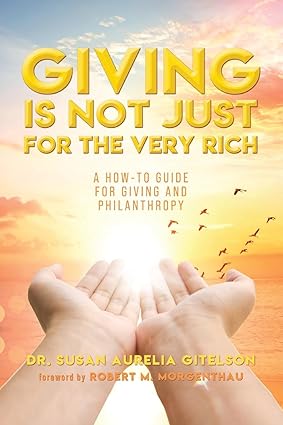
Ready to discover how your small gifts can change lives? Get your copy of Giving Is Not Just For The Very Rich: A How-To Guide For Giving And Philanthropy by Dr. Susan Aurelia Gitelson.

0 Comments