

Photo by freepic.diller
Many people think charitable giving to arts and culture is only for millionaires. Dr. Susan Aurelia Gitelson rejects this claim wholeheartedly.
Footing the bill for a museum, a local theater, or a music program can start with just a small gift.
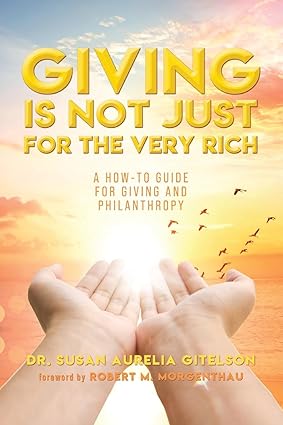
Her book Giving Is Not Just For The Very Rich reminds us that taking on the full cost of an art program does not require a giant bank account. In actuality, a little money, a few hours, or even a box of old books can keep the arts alive.

Photo by cristina_gottardi
Why Your Gift to the Arts Matters
Art museums, local bands, and small theaters struggle to stay open. Now, even more so, but Dr. Gitelson assures that “Americans have [always] been extremely generous even in difficult times.”
Still, it is the undeniable truth that arts groups often get less attention than hospitals or schools. Yet, the impact is no less because when you give to the arts:
- You help a child see her first real painting, widening her horizons and opening her up to creativity.
- You help an older man hear live music again, easing him a little bit from the anxieties of age.
- You help a young actor find confidence on stage, offering him a platform to inspire others.
These are not small things: art builds stronger communities and more enduring cultural legacies. Your gift transforms from being just a personal statement to a wider social footprint that says that beauty, history, and creativity matter.
Without donors, many cultural places would close their doors forever:
Taking on the full cost of a single school trip to a museum can open a child’s mind for life. Now, paying for the whole thing may seem like a lot, but even five dollars can buy paintbrushes for a class. Covering the entire expense for a poetry reading might just take one person’s lunch money, while picking up the tab for a gallery opening can be shared among ten neighbors.
Bearing the financial burden alone is rarely needed because others want to help, too.
Simple Ways to Start Giving
Giving does not always mean writing a large check and then forgetting about it. Dr. Gitelson notes that “you can accomplish a great deal” without being very rich. With regards to the arts and culture, you can begin by:
- Cleaning your bookshelves, looking for old art books or music records to donate to a school or library.
- Volunteering as an usher at a community theater, saving the theater from having to hire paid staff.
- Donating your skills. If you can fix a leaky roof, help a small museum; or if you can bake cookies, sell them at a gallery opening, and give the money to the artists.
Footing the bill for a children’s art workshop might simply mean buying crayons and paper, while taking on the full cost of a poetry slam could be as easy as renting a church basement for twenty dollars. Covering the entire expense for a local band’s first album might mean buying them pizza while they record. Paying for a dance class for disabled kids could be a monthly $10 gift.
Paying for the whole thing does not require a fortune.
Bearing the financial burden feels lighter when you remember that every small act adds up.
How to Find Trustworthy Arts Charities
Not every group asking for money spends it wisely. As such, Dr. Gitelson strongly urges readers to “check out the qualifications of various charities.”
- Start by looking at a group’s website. Do they show pictures of real events? Do they list their expenses? You can use free websites like Charity Navigator or GuideStar. These sites tell you if a charity wastes money on fancy offices or pays its leaders too much.
- Ask the arts group directly: How much of my dollar goes to programs? A good charity will answer clearly.
- Better yet, visit the group in person. Watch a rehearsal or walk through the gallery. Talk to the people who run the place.
Footing the bill for an unknown group is risky, and taking on the full cost without checking first can lead to utter disappointment that might scare you off from future altruistic efforts. Making a donation should feel good, not make you angry later. Paying for a real, honest arts group brings lasting joy.
Bearing the financial burden is smart when you know where every penny goes.

Photo by freepik
Leaving a Legacy Through Arts and Culture
You don’t need to be famous to be remembered: a small plaque on a library chair, a named seat in a small theater, or a yearly prize for a young artist. These are legacies anyone can create.
Dr. Gitelson herself gave rare book collections to universities, writing that “the giving process enriches life for both donors and recipient.”
Think about what you love most: Do you love jazz? Start a small fund that pays for a high school jazz band’s new instruments. Do you love sculpture? Pay for a bench in a local park to be installed with a poem carved into it.
Do you know that funding a scholarship at a community art center costs less than a used car; taking on the full cost of a children’s storytelling festival could be a few hundred dollars; paying for the whole thing over five years might be fifty dollars a month; covering the entire cost of a youth theater production includes renting lights and costumes; and paying for a photography exhibit at a coffee shop gives young artists their first break.
You have read about many ways to help, and now is the time to act: pick one arts group this week; then, call them or visit their website and ask what they need most.
Then give what you can—money, time, or old supplies.
Bearing the financial burden for arts and culture is a gift that keeps giving long after you are gone.
Dr. Gitelson promises that “the more you give to others, the happier you are likely to become.” Her book is filled with hundreds more ideas while also teaching you how to avoid scams and make your gifts count.

0 Comments