

Photo by partystock
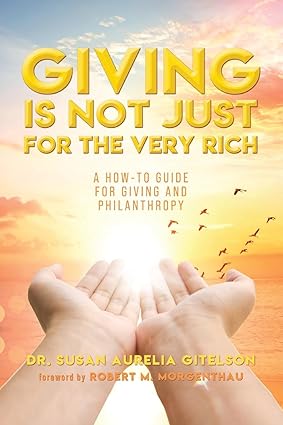
Going out of your way to help another person has nothing to do with having a big bank account. Dr. Susan Aurelia Gitelson writes in Giving Is Not Just For The Very Rich that “[the] common thread is to show people who are improving the world in varied ways that benefit others and simultaneously enhance their own lives.”
A generous mindset grows from small actions repeated over time and begins with noticing the needs around you. Then you choose to respond, even when it feels uncomfortable at first.
The beautiful truth is that going out of your way trains your brain to see opportunities instead of obstacles, and each time you give—whether your time, attention, or a few dollars—you strengthen a habit.
That habit eventually becomes your natural way of moving through the world.

Photo by rawpixel.com
What Generosity Really Looks Like
Generosity is not a one-time grand gesture. Real generosity shows up in the quiet moments when nobody is watching.
Dr. Gitelson explains that “the more you give to others the happier you are likely to become,” and this happiness comes from doing more than what is expected.
A generous person shares their lunch with a coworker who forgot theirs, offers to watch a neighbor’s child for an hour, and sends a kind message to someone who is struggling.
These acts may seem small, but they create a ripple effect with the person receiving help feeling seen and valued, while the giver feels useful and connected.
Over time, these small choices reshape how you see yourself. You stop thinking that you don’t have enough, and start thinking that you have something to share, however small or insignificant.
That shift in thinking is the heart of a generous mindset.
Starting Small Without Overwhelming Yourself
New habits fail when people try to change everything at once, and building generosity works the same way.
You do not need to volunteer every weekend or donate large sums. Taking a detour from your usual routine is enough. Doing more, while admirable, would only be biting off more than you can chew, increasing the likelihood of a failed endeavor that may or may not decrease the chances of you continuing to engage with altruistic efforts.
Dr. Gitelson notes that “about one-quarter of the American population has [volunteered] annually,” with many of these volunteers giving just a few hours each month.
That consistency matters more than the amount they could potentially give.
Therefore, start picking one small action to try this week. Maybe leave a larger tip than normal, or write an encouraging note to a teacher or nurse (anyone that you feel deserves it), or share a helpful resource with someone who needs it.
After you do it, notice how you feel. That good feeling becomes your motivation for the next small act. Soon, going out of your way feels less like effort and more like joy.
Using What You Already Have
You already possess more than you realize: Your skills, knowledge, and connections are valuable gifts (which might be worth more than the money you have).
Out of your routine, giving often starts with your unique talents: Can you fix things? Offer to repair a broken item for a neighbor. Are you a good listener? Sit with someone who is lonely. Do you know how to navigate paperwork? Help an elderly person apply for benefits.
Dr. Gitelson shares that “volunteering is so central to the American way of life” because anyone can do it, and you do not need permission or special training.
Look at your daily life and ask what comes easily to you. That ease is a clue about where you can give without burning yourself out, which is more of a common occurrence than you think.
A generous mindset does not require suffering; it only requires paying attention to where your natural gifts meet someone else’s real need.
Making Generosity a Daily Practice
Habits stick better when you build them into your existing schedule. Of course, doing more does not mean adding huge tasks to a full plate and looking for tiny moments already in your day.
Dr. Gitelson reminds readers that “the value of your activities does not depend only on your giving money.” Committing to many daily acts trains your mind to automatically scan for opportunities for giving instead of problems, turning generosity from a mental concept into a reflex.
Keep a simple log of one kind thing you do each day, and review it at the end of the week. You will likely be surprised by how much you already give.
That awareness builds confidence to give even more.

Photo by jcomp
The Joy That Comes Back to You
Generosity is not a sacrifice, but an exchange that leaves both people richer. Dr. Gitelson cites research showing that “altruism and generosity can be hedonistic pleasures,” which means helping others releases chemicals in your brain that reduce stress and create happiness.
The biology of this hasn’t yet been fully established, but this does point to an innate quality of humans to be charitable. Thus, anything that prevents you from giving and acting out on your instincts as a giver should be scrutinized.
What’s more, going out of your way for someone else actually helps you live longer and feel more satisfied with your own life.
When you give, you remind yourself that you have the power to make things better–that feeling of agency fights depression and loneliness while also helping you build a reputation as someone reliable and kind. That reputation brings more positive relationships into your life.
So the cycle continues: small giving leads to more joy, and more joy makes you want to give again. You do not need to wait until you feel rich enough or good enough. So, start where you are, and use what you have. Always do what you can.
Ready to build your own generous life? Dr. Susan Aurelia Gitelson’s Giving Is Not Just For The Very Rich offers dozens of practical ideas and real examples from everyday people.

0 Comments