

Every year, millions of charitable dollars’ flow from generous donors to nonprofit organizations worldwide. However, if someone checks the information, nearly half of first-time donors do not send a second gift. And so, the question pops up: why does this happen? The answer often lies in a single word: transparency. Donors want to know where their money went, who it helped, and whether it actually made a difference.
This is precisely where nonprofit impact reports explained to all become essential knowledge for any thoughtful giver. An impact report serves as a bridge between intention and outcome, transforming abstract donations into tangible stories of changed lives. Without this crucial communication tool, even the most generous donor eventually grows weary, wondering if their contributions vanished into a black hole of administrative overhead.
What Exactly Is a Nonprofit Impact Report?
An impact report differs fundamentally from an annual financial statement. While financial reports track dollars in and dollars out, impact reports track lives changed and problems solved. Think of it as the difference between knowing a food bank spent $50,000 on groceries versus knowing that those groceries provided 30,000 meals to hungry families across three counties. The first number satisfies accountants. The second number satisfies donors’ hearts.
A well-crafted impact report—which sometimes has compelling infographics—typically includes several key elements: a clear statement of the organization’s mission, specific metrics demonstrating progress toward goals, stories or testimonials from beneficiaries, financial summaries showing how funds were allocated, and future projections outlining what additional support could accomplish.
Why Impact Reports Matter for Donor Retention
The nonprofit sector faces a persistent challenge: donor retention. How can organizations keep donors from leaving the door? One key factor in maintaining strong, healthy relationships with donors is transparency. Institutions that consistently provide clear nonprofit annual report documents see retention rates climb significantly. A donor who understands their impact is one who continues to give wholeheartedly.
Furthermore, impact reports serve a second crucial function: they equip donors to become advocates. When a donor receives a compelling report showing exactly how their contribution helped, they naturally share that information with friends, family, and social media followers. Word-of-mouth marketing, powered by genuine enthusiasm, remains the most cost-effective acquisition strategy available to nonprofits.
Reading an Impact Report: A Step-by-Step Guide
Step 1: Locate the Mission Statement
Every credible impact report begins with a clear articulation of what the organization exists to accomplish. This mission statement should be specific, measurable, and time-bound. A specific goal, such as providing 100,000 school supplies to underprivileged students each year, is an objective worth supporting. If the mission statement uses abstract language without concrete commitments, proceed with caution.
Step 2: Examine the Metrics
Numbers tell stories. And it’s crucial to read and understand the narratives provided by the organization. A charity transparency report should include both outputs and outcomes. As an example of outputs based on the sample above, it is the number of notebooks, pencils, bags, and uniforms provided to students.
On the other hand, the outcomes measure change. The percentage of students who went to school and finished a grade. Even students who chose to return to school because of the supplies they received are considered a positive change.
Both metrics matter, but outcomes reveal true impact. For example, an organization can serve 10,000 meals (output) while failing to reduce hunger (outcome) if the meals merely supplement rather than address root causes.
Step 3: Read the Stories
Data engages the mind, but stories engage the heart. The best impact reports balance quantitative metrics with qualitative narratives.
A testimonial from a previous student who benefited from the school supplies brings spreadsheets to life. Imagine how this assistance to an underprivileged learner can influence the trajectory of his or her life.
Look for reports that include direct quotes, photographs (with permission), and specific details that verify authenticity. Vague, anonymized stories without verifiable details may indicate an organization struggling to demonstrate real results.
Step 4: Compare Expenses to Impact
Overhead ratios receive excessive attention in charitable evaluation. So instead of fixating on how much goes to overhead, consider nonprofit metrics and data about cost per outcome. An organization spending 40 percent on overhead but achieving outcomes at half the cost of competitors might represent a far better investment than a bare-bones operation with minimal results.

What Red Flags Should Donors Watch For?
Not all impact reports provide honest pictures of organizational health. Several warning signs warrant attention. Vague language like “we made a difference” without specific numbers signals an inability to measure outcomes.
Moreover, missing data from previous years prevents comparison and trend analysis. Excessive focus on inputs (dollars raised, volunteers recruited) rather than outputs and outcomes suggests the organization measures activity rather than results.
In fact, extremely polished, expensive reports from organizations serving poor populations may indicate misplaced priorities. Conversely, amateurish reports filled with typos and errors suggest internal chaos that likely affects program delivery as well.
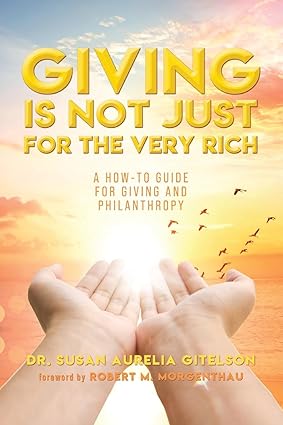
Susan Aurelia Gitelson’s book, Giving Is Not Just For The Very Rich, provides an indispensable framework for evaluating nonprofit communications. In her book, she says that effective giving requires showing donation impact through careful research and ongoing engagement. Due diligence then falls on the shoulders of donors.
Five Questions to Ask Before Giving
1. How does this organization measure success?
The answer should include specific metrics, data collection methods, and external validation where possible. Beware organizations that cannot articulate how they know they are succeeding.
2. May I see the most recent impact report?
Organizations that hesitate or provide excuses should raise immediate concerns. Transparent organizations post reports publicly on their websites and eagerly share them with potential donors.
3. What percentage of donations directly funds programs versus administration and fundraising?
While overhead ratios should not be the only consideration, organizations should provide clear answers. Anything over 35 percent administrative and fundraising costs warrants scrutiny.
4. How does this organization learn from failures?
No organization succeeds in every initiative. The best nonprofits openly discuss challenges, explain what they learned, and describe how those lessons improved future work.
5. Can I tour facilities or speak with program staff?
Legitimate organizations welcome donor engagement. Restrictions due to privacy or safety concerns make sense for certain programs (domestic violence shelters, youth residential facilities), but organizations should provide alternative engagement opportunities.
Become an Informed Donor
Armed with an understanding of nonprofit impact reports explained, donors can now approach charitable giving with confidence and clarity. The next step involves action. Review the last three organizations you’ve supported financially. Locate their impact reports online or request them directly. Compare what they claim against what they demonstrate. From there, you can make the choice.
Gitelson’s Giving Is Not Just For The Very Rich provides an outstanding roadmap for this evaluation process. The book includes worksheets, sample questions, and case studies illustrating how ordinary donors can practice extraordinary generosity through careful research and intentional giving strategies. So, if you want to start your giving journey and be an informed donor, grab a copy of Giving Is Not Just For The Very Rich right now.

0 Comments
Trackbacks/Pingbacks