

For those new to strategic philanthropy, the world of charitable giving can seem complex. Beyond writing a check or note to a favorite charity, there are vehicles designed to maximize both impact and tax efficiency. Understanding the donor-advised fund basics is an excellent first step for anyone looking to give more thoughtfully and meaningfully to the community.
A donor-advised fund, also known as a DAF, is essentially a charitable investment account established for the sole purpose of supporting future gifts to qualified nonprofits. In this sense, it acts as a bridge between your desire to give and your need for financial flexibility. So, it allows you to make charitable assistance or gifts today and receive an immediate tax deduction. Later on, it recommends grants to your chosen causes over time.
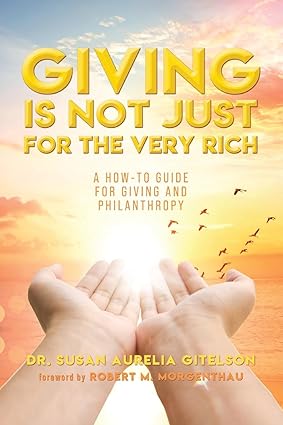
Susan Aurelia Gitelson‘s book Giving Is Not Just For The Very Rich encourages everyday donors to explore such options, proving that strategic giving is accessible to many people and not a select few.
Explaining a Donor-Advised Fund to People
A donor-advised fund is a pool of money that a sponsoring nonprofit organization—such as a community foundation or a financial services firm like Fidelity Charitable, Schwab Charitable, or Vanguard Charitable—manages on behalf of donors. Think of it as your own personal charitable savings account. Once you contribute assets to the fund, you can recommend grants from that account to your favorite IRS-qualified public charities over time.
It is crucial to understand that contributions to a DAF are irrevocable. You are giving the assets to the sponsoring organization, which retains legal control over them. However, as the donor, you retain the valuable privilege to advise on how the funds are distributed and, in many cases, how the assets are invested for growth.
The Core Mechanics: Give, Invest, Grant
The process of using a DAF is elegantly simple and typically involves three main steps, making it a part of philanthropy planning tools. And if you’re only starting in this incredible journey of giving back to other communities or groups, you’ll find this process easy to manage.
Give
You open a DAF with a sponsoring organization and contribute assets to it. Many donors start with cash, but one of the most powerful features is the ability to contribute appreciated assets, such as stocks, mutual funds, real estate, and cryptocurrency. When you contribute appreciated assets held for more than a year, you generally avoid paying capital gains tax on the appreciation of the amount and can subtract the full fair market value of the asset, subject to IRS rules.
Invest
Once your contribution is in the DAF, the money isn’t required to be granted out immediately. It can be invested in the sponsor’s various options, allowing the funds to grow tax-free over time. This potential growth means there could be even more money available to support your charitable causes in the future, amplifying your impact. This is a prime example of charitable investment accounts at work.
Grant
At any point, you can recommend grants from your DAF to qualified public charities or organizations. The sponsoring organization will conduct due diligence procedures to ensure the recipient is eligible before sending the grant. This flexibility allows you to be more deliberate and strategic with your giving, supporting causes you care about on your own timeline.
Key Benefits for Beginners

For those starting their philanthropic journey, the advantages of DAF are compelling and easy to understand.
Immediate Tax Deduction: With this method, you receive a tax deduction in the year you make the contribution to your DAF, regardless of when you recommend grants to the final charities. This is particularly useful for tax-efficient giving in high-income years, such as after receiving a large bonus or selling a business.
Flexibility and Convenience: A DAF allows you to “group” multiple years’ worth of contributions or donations into a single tax year to maximize your itemized deductions. Then, you can use the DAF to distribute grants to charities over the following years at your own pace. It also simplifies record-keeping. Instead of tracking receipts for dozens of individual gifts, you receive a single tax document for your contributions to the DAF.
Potential for Tax-Free Growth: Assets in a DAF can be invested into other things, and any earnings grow tax-free, creating more resources for your philanthropy.
Important Rules to Remember
While DAFs are flexible, they operate within a clear set of rules designed to ensure they are used for charitable purposes. For instance, grants cannot provide a personal benefit or advantage to the donor or their family. This means you cannot use a DAF to buy tickets to a charity gala or auction items. Additionally, grants cannot be made to political candidates or parties, and all grant recommendations are subject to approval by the sponsoring organization.
These essential rules or reminders help avoid discrepancies and unfair practices for the donors. It also protects the integrity of philanthropy and the essence of giving back to the community.
Comparing DAFs to Private Foundations
For those exploring the details of managing charitable donations, a DAF is often compared to a private foundation. While a foundation offers more control, it requires a larger initial investment and involves significant administrative burdens like creating a board of directors, filing annual tax returns, creating plans, and holding meetings.
A DAF offers a simpler, more cost-effective entry point for most families. For the vast majority of donors, a DAF is the perfect vehicle for implementing a beginner’sguide to philanthropy.
A Better Understanding for All
Understanding the donor-advised fund basics opens up a world of strategic, flexible, and tax-smart charitable giving. By allowing you to contribute, grow, and grant funds on your own schedule, DAFs empower you to become a more intentional philanthropist.
As Susan Aurelia Gitelson’s book Giving Is Not Just For The Very Rich champions, you don’t need immense wealth to make a profound difference. A donor-advised fund is a practical, powerful tool to help you organize your giving, maximize your impact, and involve your family in the joy of supporting the causes you believe in.
And if you decide to give back to your chosen organization or charity in another way, you can do that too. For more information about giving back to your community, grab a copy of the brilliant book, Giving Is Not Just For The Very Rich, today!

0 Comments
Trackbacks/Pingbacks