

Photo by user18526052
Many people think they cannot help others because they lack extra money, and this is simply not true.
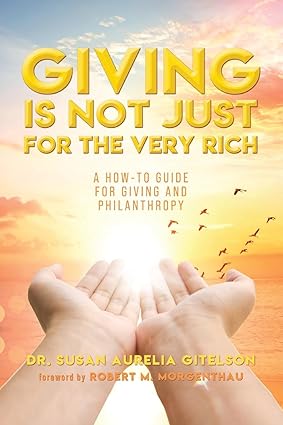
Dr. Susan Aurelia Gitelson wrote Giving Is Not Just For The Very Rich to show that everyone has something valuable to offer, teaching readers that giving is about more than writing checks.
Volunteering instead of donating money opens doors for people who want to make a difference without spending cashand lets you use your time, skills, and energy to support causes you care about.
- Local food banks are always in need of hands to sort cans.
- Libraries always want people to read to children.
- Animal shelters always require dog walkers.
These tasks may cost nothing but mean everything to the organizations receiving help.

Photo by benzoix
Dr. Gitelson shares that “about one-quarter of the American population has been volunteering annually.” That’s around sixty-three million people age sixteen or older who gave their time in 2010 alone. These numbers show that ordinary people choose volunteering over writing checks every single day.
The Joy that Comes from Meaningful Involvement
People who give their time report feeling happier than those who do not. A study mentioned by Dr. Gitelson found that “42 percent were more content than non-volunteers.” This is because helping others releases brain chemicals called endorphins that reduce stress and create what some call “helper’s high.”
Meaningful involvement changes how you see yourself and the world. Standing beside someone who needs help reminds you of your own strength. Teaching a child to read shows you the power of patience. Serving meals to hungry families connects you to your community in deep ways.
Dr. Gitelson explains that “those who give are less likely to be unhappy or depressed.” This finding comes from the University of Michigan’s research. Your mental health improves when you focus on others instead of your own worries.
Direct impact activities let you see results with your own eyes. You watch the child sound out words for the first time. You hand a warm meal to a grateful parent. You pet a scared dog until its tail wags. These moments cannot happen when you simply mail a check.
Dr. Gitelson writes that “the interaction with people who need you enhances your sense of wellbeing.”
Your problems will feel smaller when you witness others facing bigger challenges with courage and grace.
Finding Local Engagement Opportunities
Every town has places needing volunteers. Start by looking at places you already know. Your child’s school may need help in the library or lunchroom. Your place of worship likely runs food programs or clothing drives. The park where you walk might have cleanup days.
Local engagement opportunities exist everywhere. Dr. Gitelson suggests checking www.volunteer.match.org to find positions by location. The site lists more than seventy-nine thousand nonprofit organizations. These groups made almost six million referrals between 1998 and 2011.
Big Brothers Big Sisters has supported mentoring for over one hundred years. The organization “provide[s] children facing adversity with strong and enduring, professionally supported one-to-one relationships.” Your weekly hour with a child could change that young person’s life forever.
Charity work options include helping at hospitals, museums, or food pantries. The American Red Cross depends on more than half a million volunteers. Thirty-five percent of volunteers work with religious groups. Twenty-seven percent help educational organizations. Fourteen percent support social service groups.
Consider your skills when choosing where to volunteer. Retired teachers make excellent tutors, while people who love animals will thrive at shelters, and the same with organized people who can help offices run smoothly.
Remember: everyone has something useful to offer.
Volunteer-Led Initiatives That Create Change
Some of the most powerful programs started with volunteers who saw problems and decided to act. Giving Is Not Just For The Very Rich shares many examples of volunteer-led initiatives that grew from simple ideas into major forces for good.
Ruth Lande Shuman founded Publicolor after noticing how dreary school buildings made students feel. Her program brings volunteers into New York City schools to paint public areas with bright colors. Students participate in designing and painting. They become proud of their schools and want to attend classes. This program costs little money but changes everything about how children feel about learning.
Pam Allyn leads LitWorld, an international literacy organization. The group trains literacy leaders worldwide and aims to teach one million children to read by 2014. Reading clubs for girls operate in Iraq, Liberia, Kenya, and many other countries.
Volunteering instead of waiting for government programs or large donations means help arrives faster. Local problems get local solutions from people who understand them best.
Dr. Gitelson shares her own story of starting young. “From the time I was nine years old, my father had me help him with his award presentations.” She attended board meetings at age ten and spoke to adult audiences. These early experiences shaped her entire life of giving.

Photo by partystock
Making Long-Term Commitments
Showing up once helps, but regular volunteering can create lasting change. Organizations depend on reliable people who return week after week, while children trust mentors who keep promises more.
Programs like these only grow stronger when volunteers commit for years instead of hours.
Meaningful involvement deepens over time. You learn the real needs of the people you serve and understand how the organization works, helping you find better ways to help because you know the situation from the inside.
Dr. Gitelson advises readers to “concentrate your giving on only a few charities, speak to their leaders, and make long-term commitments.” This wisdom applies to time as well as money. Focused effort produces better results than spreading yourself too thin.
The book mentions that baby boomers and people in their thirties and forties volunteer most often. These age groups have experience and stability to offer. Younger volunteers bring energy and new ideas. Older volunteers share wisdom and patience. Every age group contributes something valuable.
AmeriCorps offers about seventy-five thousand community service opportunities. Full-time young volunteers receive education awards to help cover college costs. Some members get modest living allowances while serving. These programs turn volunteering, rather than working for pay, into a stepping stone toward future goals.
Dr. Susan Aurelia Gitelson’s Giving Is Not Just For The Very Rich offers hundreds of ideas for people who want to help but lack money.

0 Comments