

Photo by cookie_studio
Our collective health is the bedrock of a functioning civilization. It also helps as individuals when everyone is healthy. That means that we’re less likely to get sick when we’re surrounded by people who are healthier. As such, there are plenty out there that would like to give an apple a day (or maybe cash or whatever else needed) so that the doctor is kept away.
Likewise, with eating fruits daily, giving to medical research organizations can start with small, regular donations. This builds strength over time, until results bloom into something that is tangible and impactful to the local community and to the world at large.
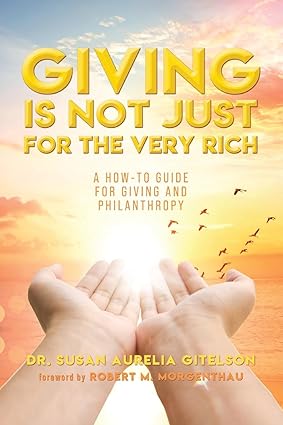
Dr. Susan Aurelia Gitelson writes in Giving Is Not Just For The Very Rich, “The value of your activities does not depend only on your giving money,” and that the true key is to be thoughtful and regular.
You do not need millions. You just need commitment.
Let’s show you why medical research needs your help, so you will learn how to pick trustworthy groups and also find simple ways to stay consistent. Remember: small steps lead to big results.

Photo by 8photo
Why An Apple a Day Matters for Curing Disease
Medical research takes time (that’s the biggest understatement in the world), and scientists do not find cures overnight (usually). They run many small tests, gathering data little by little, and it takes years or decades for something practically worthwhile to emerge.
Each small gift from a donor helps pay for a lab sample, a computer hour, or a researcher’s coffee while they work on their research.
Gitelson’s book reminds us that “the more you give to others the happier you are likely to become.” Therefore, happiness grows when you give often, not just once.
The power of repetition mirrors how medicine advances: a single vaccine dose does not protect you, so you need boosters.
Your donations work the same way.
Many breakthroughs came from many small steps. Regular donations help a lab plan ahead, helping them adjust their timeframes as new data emerges and new factors have to be considered. When you donate to medical research, scientists are more confident in making a breakthrough because they know that money will be coming in the next month.
This consistency in routine lets scientists hire students, buy supplies, and run long experiments. Your twenty dollars every month matters more than two hundred dollars once every two years.
How to Choose Trustworthy Medical Charities
Not every charity uses money wisely: some spend too much on ads or fancy offices (we could write whole articles about how inefficient some charities are, and how many are basically just scams).
You want your gift to reach the lab bench, not the junk folder.
Gitelson advises readers to “check out the result of the charity’s efforts both by asking them and by researching reports about them on the Internet.”
Follow these steps before you give your first dollar:
- Look up the charity on Charity Navigator or GuideStar.
- Avoid groups that spend more than 25 percent of their funds on fundraising.
- Call the charity and ask for their latest annual report.
- Check if the charity focuses on one disease or many.
Better progress happens when you pick one or two trusted groups. So, don’t go spreading five dollars over ten places. Simply pick one and stick with it. Doing so builds trust and impact.
Simple Ways to Make Giving a Long-Term Habit
Most people stop giving because they forget, their earlier motivation for altruism fading over time or being obscured by more personal and pressing matters. Or they feel that their contribution is too small, comparing themselves to the fatcats who throw heaps of money to causes they like.
Do not fall into that trap.
Doing charity should be one of your long-term habits. Start with easy actions like automating your giving. Most medical charities let you set up a monthly charge on your credit card or bank account. This takes five minutes one time. Then, after that, the system works for you.
Another method is to put a note on your fridge or phone calendar, picking the same day each month and letting your biological clock get used to the idea that the day you’ve chosen is for charity. Always try to give the same amount every time.
This idea of maximizing daily efforts works for exercise and dieting; it’s going to work surprisingly well for altruism, too. Repetition removes pressure until you no longer have to spend time deciding each time, and you just do it.

Photo by stefamerpi
The Joy of Watching Your Small Gifts Grow
There is a special feeling when you see progress. For example, a research group may send you a newsletter, writing:
“Thanks to monthly donors like you, we started a new trial for a childhood cancer drug.”
That note is your reward, which is infinitely better than buying something you do not need and will just throw away after a couple of months.
“People who give are usually happier than those who do not.”
Part of that joy of giving comes from watching incremental progress and remembering how you started: giving five dollars last month and five dollars this month. Giving and giving until it’s now ten dollars total. You never know, next year, it grows into sixty dollars.
Think of charity as an apple a day for your soul, with each small gift like a bite of fruit. One bite does nothing, but a bite every day changes your health. Your giving works the same way, changing you and the person who may live because of that research.
You do not need a million dollars to heal the world because you simply need a habit. Giving to medical research organizations works best when it becomes as natural as brushing your teeth.
One small gift after another. Month after month. Year after year.
Dr. Susan Aurelia Gitelson dedicated her life to this message, writing Giving Is Not Just For The Very Rich to show everyday people how to start. Buy her book now and save time on knowing what to do.

0 Comments