

The natural world is sending an urgent and alarming message that people should not ignore. From record-breaking tornadoes tearing through rural communities to unprecedented heat waves threatening vulnerable populations, the signs of environmental strain are impossible to miss.
In the face of such overwhelming global challenges, it is easy for an individual to feel powerless. But there is hope. Environmental philanthropy for individuals is not only possible but essential. It represents a powerful shift in which ordinary people use their resources—no matter their size—to fund tangible solutions.
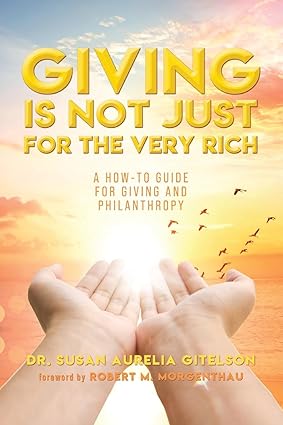
Susan Aurelia Gitelson’s book, Giving Is Not Just For The Very Rich, serves as a crucial guide in this journey, proving that impactful generosity is available to all people, regardless of their budget. Read below to learn more about it.
The Democratization of Green Giving
The landscape of giving back is changing—and for the better. Climate donations from everyday citizens are now the lifeblood of countless restoration projects and advocacy groups. When an individual gives $25 to plant trees, $50 to support a wildlife corridor, or $100 to fund environmental education, they are joining a collective movement that aims to shift the balance.
The cumulative effect of thousands of small gifts can easily surpass that of a single large donation, and it also creates a broad community of stakeholders who are personally invested in the planet’s health.
Action on climate change requires cultural shifts, a drastic improvement in how countries, communities, families, and groups do things. When individuals give, they signal to businesses and governments that environmental protection is a priority for their constituents. This grassroots financial support creates the political and social will necessary to drive systemic change. Whether it is supporting ocean cleanup charitable contributions or funding local urban gardens, every donation is a vote for a sustainable future.
Finding Your Cause in the Natural World
One of the first hurdles for a new environmental philanthropist is choosing where to focus. The scope of the crisis is vast, but narrowing the focus to a specific passion area makes giving more effective and personally rewarding.
- Wildlife and Habitat: For animal lovers, focusing on wildlife conservation personal gifts is a natural fit. This can mean supporting a local animal shelter, funding anti-poaching units in Africa, or donating to organizations that protect pollinators like bees and butterflies.
- Land and Water: Those who love hiking, fishing, or simply a beautiful view might direct their giving toward land trusts or waterkeeper alliances. Habitat restoration support ensures that public lands remain accessible and ecosystems remain functional. This includes supporting projects that restore wetlands, remove invasive species, or reforest areas damaged by fire or logging.
- Climate and Energy: For the more policy-minded donor, focusing on advocacy and research is impactful. Donations can help fund renewable energy adoption, support fossil fuel divestment campaigns, or back research into sustainable agriculture practices.
It is vital to look for organizations that publish green charity transparency reports before donating. Doing this ensures donors that their donations go to the right projects and programs.

Real Impact: Tangible Results from Individual Action
The power of individual giving is yielding real, measurable results. Consider the work of marine conservation groups. Through a combination of small-dollar donations and volunteer efforts, they have removed over 3.2 million pounds of plastic and debris from waterways in recent years. This massive removal, equivalent to the weight of about 11 blue whales, was funded by people who simply decided that their $10 or $20 mattered.
Wildlife conservation donations have similarly saved species. Moreover, donations to protect tiger habitats in India or sea turtle nesting grounds in Costa Rica are often funded by travelers and nature enthusiasts who give small amounts during their trips. The cumulative effect of this environmental philanthropy for individuals has led to the recovery of species that were on the brink of extinction just decades ago.
This proves that a specific, targeted donation to a trusted organization creates a direct line of sight to impact. Unlike large, bureaucratic government funds, where it’s hard to see where the money goes, a donation to a specific campaign often comes with updates, photos, and stories about the lives saved or acres preserved.
Building a Personal Giving Strategy
To practice environmental philanthropyeffectively, a structured approach helps. First, set a realistic budget. Perhaps it is 1% of income, or simply a designated monthly amount. Second, do the research. Use the watchdog agencies Gitelson recommends, such as Charity Navigator or the BBB Wise Giving Alliance, to vet organizations. Look for groups that align with specific values, whether that is a no-kill animal shelter, a land trust, or a climate lobbying group.
Third, consider the vehicle of giving. Recurring monthly donations are incredibly valuable to non-profits because they provide a predictable cash flow. For larger gifts, consider giving appreciated stock, which avoids capital gains taxes and provides a tax deduction. Finally, get social. Habitat restoration support is often amplified when shared on social media, inspiring friends to join the cause.
Campaigning for causes in this age of modern technology is doable. The power of organizations and volunteers pushes these programs, goals, and projects forward.
For those thinking of donating, choosing a local group is important. But others can also choose international groups. Local groups have deep community ties and often lower overhead, meaning a higher percentage of the donation goes directly to the ground. On the other hand, Global NGOs have greater reach and lobbying power but higher administrative costs. Both are valid; the choice depends on where the donor wants to see impact.
Making a Change for the World One Thing at a Time
The Earth needs champions at every level. While international treaties and corporate responsibility are vital, they are driven by the collective voice of citizens. Environmental philanthropy for individuals is the engine of that voice.
By embracing the philosophy that giving is not just for the very rich and by reading Susan Aurelia Gitelson’s book, individuals can fund boots on the ground, cleanup crews, and legal advocates fighting for the planet. Start where you are, give what you can, and rest assured that every action, when multiplied by millions, changes the world. Don’t forget to grab a copy of Giving Is Not Just For The Very Rich today!

0 Comments