

Photo by jcomp
A look at new trends, strategies & future of philanthropy shows a major shift in how people think about giving money away, from new technologies to more niche avenues.
One of note is capitalist philanthropy, which combines business thinking with charitable giving, treating donations like investments that should grow and create real change.
Many people believe you need to be a billionaire to make a difference.
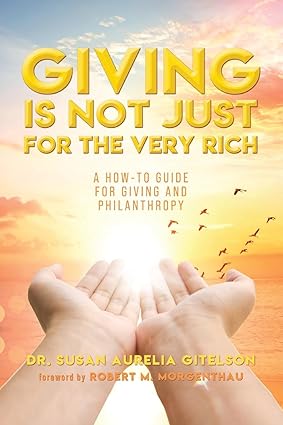
Dr. Susan Aurelia Gitelson challenges this idea in her book Giving Is Not Just For The Very Rich, showing that anyone can practice smart giving.
The key is applying good business sense to helping others.

Photo by rawpixel.com
What is Capitalist Philanthropy and Why Does it Matter?
Capitalist philanthropy uses business tools to solve social problems, treating charitable giving like investing in a company. In this paradigm, donors expect to see results from their money and want proof that their dollars are actually helping people.
This approach differs from old-style charity. Where traditional giving often meant writing a check and hoping for the best, capitalist philanthropy demands accountability, with donors asking tough questions and wanting to know exactly how their money gets spent.
Private foundations lead this movement with groups like the Bill and Melinda Gates Foundation operating like businesses: setting clear goals, measuring outcomes, and cutting funding for programs that fail to deliver results.
Elite philanthropy gets most of the attention, but regular people can use these same tools to do good in the world, too.
Market-based solutions focus on fixing root causes. Rather than handing out food, capitalist philanthropy helps people learn to grow their own. Rather than a temporary shelter, it builds pathways to permanent housing.
The Business Case for Giving Back
Companies now see charitable giving as smart business. When businesses help communities, communities support businesses, which creates a cycle of growth that benefits everyone.
Corporate giving programs have exploded in recent years, especially as companies try to match employee donations through paid time for volunteering, sponsoring local events and causes, and more.
All of this builds goodwill that money simply cannot buy.
Employees want to work for companies that care, and studies do indeed show people stay longer at jobs where they feel proud of their employer.
The idea of capitalist philanthropy reduces worker turnover and saves money on training new staff.
Dr. Gitelson points to the Robin Hood Foundation as a prime example: a group that applies investment principles to fighting poverty with board members covering all administrative costs, ensuring every dollar raised goes directly to programs. “The approach is to give 100 percent of the money raised to their programs.”
Customers also reward companies that give back: people choose brands that support causes they believe in, creating a powerful incentive for businesses to embrace capitalist philanthropy.
Entrepreneurs that Change the Game
Social entrepreneurs build businesses specifically to solve problems. These founders measure success in two ways: first, does the business make money? And, second, does it help people?
This double focus defines philanthrocapitalism: the goal of which is to create self-sustaining solutions. When a program can pay for itself, it keeps helping people forever. In stark contrast, Traditional charity stops when donations dry up.
Jeff Skoll founded the Skoll Foundation to support these innovators, investing heavily in social entrepreneurs worldwide. By 2011, they had already helped 85 leaders working in over 100 countries, with more for the future.
Dr. Gitelson explains that “the social entrepreneurship approach is to apply business methods and management techniques to investments and enterprises.” This means setting goals, measuring results, and adjusting based on what works.
Acumen Fund also shows this model in action, investing in companies serving poor communities. These businesses provide clean water, health care, and housing at fair prices, providing local people with life-changing services while investors get their money back plus a small return.
Future Trends Reshaping Charitable Giving
Technology is quickly transforming how people give.
Across the internet, online platforms are making research easier; social media is spreading awareness about causes; and mobile apps are allowing instant donations during emergencies.
Causes.org connects millions of users with charities. A pleasant feature of the platform is that it encourages birthday donations instead of gifts. This simple idea has raised millions for good causes.
Dr. Gitelson notes that social media provides “new opportunities for people who want to join together for a cause, project, or campaign.”
Young donors expect more accountability from their programs, wanting to see proof that their money matters. This demand for results pushes organizations to improve, and nonprofits now publish detailed reports about their work.
Impact investing continues to grow with thousands of people investing in companies that both profit and help society, blurring the line between investing and giving.
Now, the same dollar can earn returns while doing good.

Photo by macrovector
Making Your Money Work Harder
Capitalist philanthropy multiplies the impact of every dollar–a dollar comes in and, voila, a hundred people are saved. Their patented approach to strategic giving creates change far beyond the amount donated: a small grant can unlock matching funds from other sources,ces and seed money can launch programs that grow for decades.
Dr. Gitelson suggests giving to pilot projects when you can: “[if] you have only limited resources,” give money for experimental programs. Successful pilots attract larger funding later. Your small gift can spark major change.
Focus your giving on a few organizations rather than many, so you can build better relationships with leaders. Learn more about their work, so that when it’s needed, your feedback can carry more weight.
Over time, you become a true partner in the mission.
Capitalist philanthropy offers a powerful new way to think about giving, treating charitable dollars as precious resources that must produce results. This approach attracts new donors who want their money to matter and pushes organizations to improve.
Most importantly, it creates lasting change that traditional charity rarely achieves.
Want to learn more about making your giving count? Get your copy of Giving Is Not Just For The Very Rich by Dr. Susan Aurelia Gitelson. Available in paperback and eBook formats at all major booksellers.
Frequently Asked Questions (FAQ)
1. Do I need to be rich to practice capitalist philanthropy?
Absolutely not. As Dr. Gitelson’s book title, Giving Is Not Just For The Very Rich, makes clear, the principles of strategic giving—focusing on results, researching organizations, and maximizing impact—can be applied by anyone, regardless of budget size.
2. What’s the difference between a traditional charity and a capitalist philanthropy approach?
Traditional charity often focuses on immediate relief, like providing a meal. Capitalist philanthropy seeks long-term solutions, such as funding a job-training program so people can buy their own meals. It emphasizes measuring outcomes and creating self-sustaining systems rather than just providing temporary aid.
3. How is impact investing different from regular giving?
Impact investing blurs the line between investing and giving. Instead of a donation you never see again, you make an investment in a company or fund that aims to generate both a financial return and a measurable social or environmental benefit. Your money works for you while also doing good.
4. How can I start being a more “capitalist” philanthropist?
Start by researching. Pick one or two causes you care about. Investigate nonprofits like you would a potential investment: look at their financial health, their track record of success, and their future plans. Then, give strategically, focusing your resources where they can have the most significant, measurable impact.
Conclusion: A Smarter Way to Change the World
Capitalist philanthropy offers a powerful new way to think about giving, treating charitable dollars as precious resources that must produce results. This approach attracts new donors who want their money to matter and pushes organizations to improve. It replaces the old mindset of simply “giving back” with a proactive vision of “investing forward.” Most importantly, it creates lasting, systemic change that traditional charity alone rarely achieves. By adopting a strategic, business-minded approach, each of us can become a more effective agent of positive change in the world.
Call to Action
Ready to transform your giving and maximize your impact? Don’t just write a check—make your money work harder for the causes you believe in.
Get your copy of Giving Is Not Just For The Very Rich by Dr. Susan Aurelia Gitelson today.
Available in paperback and eBook formats at all major booksellers. Learn the practical strategies and timeless principles that will turn you into a smart, effective, and confident philanthropist, no matter the size of your budget.

0 Comments
Trackbacks/Pingbacks