

Have you ever heard the words “humanitarian” and “philanthropist” and wondered if they mean the same thing? You’re not alone! People often use them interchangeably, but they actually describe two different, beautiful ways of helping others.
Maybe you’re someone who feels a deep desire to help but isn’t sure which path fits you best. Or perhaps you’re curious about the terms you hear in the news. Whatever brought you here, this guide will clearly explain the difference between a humanitarian and a philanthropist. We’ll look at simple definitions, real-world examples, and how you can become either one, no matter how much money you have.
Let’s clear up the confusion and explore how you can make your own mark on the world.
Quick Answer : The Main Difference in a Nutshell
If you only have a minute, here’s the simplest way to think about it:
- A humanitarian is focused on direct, immediate action to relieve suffering. They are the first responders, the volunteers in the field, and the advocates working face-to-face with people in crisis.
- A philanthropist is focused on strategic, long-term support to solve big problems. They use their money, influence, or resources to fund solutions, like building a library or starting a foundation.
Think of it this way: a humanitarian is like a lifeguard who jumps in the water to save a drowning person. A philanthropist is like the person who donates the money to build a new community pool and hire lifeguards to keep everyone safe for years to come.
We need both to make the world a better place.
Now, let’s dive deeper.
What is a Humanitarian? (The Hands-On Helper)
The word “humanitarian” comes from the word “humanity.” A humanitarian is someone who is actively engaged in promoting human welfare and social reforms. Their main goal is to prevent and alleviate suffering, protect life and health, and ensure respect for human beings. They often work in the thick of it—during wars, natural disasters, or in communities facing extreme poverty.
Key Characteristics of a Humanitarian:
- Action-Oriented: Their work is hands-on. They are driven by a direct response to a crisis or need.
- Focused on Immediate Needs: They provide food, water, shelter, medical care, and protection.
- Works in the Field: Humanitarians are often found on the ground, working directly with affected communities.
- Guided by Principles: Their work is guided by core principles like humanity, neutrality (not taking sides), and impartiality (helping based on need alone, not who the person is).
Real-Life Examples of Humanitarians:
- Doctors Without Borders: A doctor who leaves their home to perform emergency surgery in a war zone.
- Red Cross/Red Crescent Volunteers: The volunteers who set up shelters and serve meals after a hurricane or earthquake.
- Local Community Organizers: Someone who starts a community kitchen to feed hungry families in their own town.
- The person who stops to help a stranger: In its purest form, a simple act of helping someone in immediate need is a humanitarian act.
A humanitarian’s power comes from their presence, skills, and compassion. As Dr. Susan Aurelia Gitelson explains in her article, The Role of Empathy in Charitable Giving, it’s that deep feeling of empathy—feeling with someone—that often sparks the urge to take immediate, hands-on action to help.
What is a Philanthropist? (The Strategic Supporter)
The word “philanthropy” comes from ancient Greek and means “love of humanity.” A philanthropist is someone who uses their wealth, resources, time, or influence to promote the welfare of others, usually by donating money to good causes or by funding projects that aim to solve large-scale social problems. They take a big-picture view.
Key Characteristics of a Philanthropist:
- Resource-Oriented: Their main contribution is providing the resources (money, land, investments) needed for change.
- Focused on Long-Term Solutions: They aim to solve the root causes of problems, not just treat the symptoms.
- Works Behind the Scenes: Philanthropists often work through foundations, universities, or large non-profits, providing the funding that fuels the work of humanitarians and other organizations.
- Strategic and Planned: Their giving is often carefully planned to maximize impact over the long haul.
Real-Life Examples of Philanthropists:
- Andrew Carnegie: The steel magnate who funded over 2,500 public libraries because he believed in the power of education. As noted in The Heart of Giving: A Complete History of Philanthropy Across Cultures, this was a strategic move to create lasting social progress.
- A local business owner: Someone who donates money to build a new playground in their town or funds scholarships for local students.
- Someone who leaves a gift in their will: An ordinary person who donates a portion of their estate to a charity they care about, creating a legacy of giving.
- You! Anyone who sets up a recurring monthly donation to an organization fighting hunger is acting as a philanthropist.
A philanthropist’s power comes from their resources and vision. They are the ones who can build the hospitals, fund the research, and create the institutions that humanitarians and communities need to do their work effectively. This long-term view connects to the idea of The Evolution of Generosity in Society, where giving has grown from simple acts of sharing to complex strategies for creating lasting change.
Humanitarian vs. Philanthropist: A Side-by-Side Comparison
To make it crystal clear, here’s a table comparing the two:
| Feature | Humanitarian | Philanthropist |
| Primary Focus | Relieving immediate suffering | Solving long-term problems |
| Main Action | Doing (providing direct aid, service) | Funding (donating money, resources) |
| Where They Work | In the field, on the front lines | In an office, boardroom, or foundation |
| Time Horizon | Short-term, crisis response | Long-term, strategic planning |
| Key Resource | Their time, skills, and labor | Their money, influence, and assets |
| Example | A volunteer handing out meals after a flood. | A donor funding a study on flood prevention. |
Can You Be Both? Absolutely!
Here’s the best part: these roles are not mutually exclusive. In fact, they are deeply connected and often overlap.
Think of a humanitarian organization like the International Committee of the Red Cross. They are humanitarians on the ground. But they rely on philanthropists—individuals, corporations, and governments who donate money to fund their life-saving work.
Or consider someone who starts as a volunteer at a local food bank (acting as a humanitarian). Over time, they might see the need for a larger, permanent solution and decide to leave the food bank a generous gift in their will (acting as a philanthropist).
Many of the world’s greatest changemakers have embodied both. They use their resources (philanthropy) to enable their own and others’ hands-on work (humanitarianism).
Why Giving Is for Everyone (Not Just the Rich!)
One of the biggest myths is that you need to be a billionaire to be a philanthropist. This simply isn’t true. Philanthropy is for everyone. It’s about giving whatever you can—your time, your skills, or your money strategically, to make a difference.
Similarly, you don’t need to travel to a disaster zone to be a humanitarian. Acts of human kindness in your daily life comforting a friend in grief, helping a neighbor with yard work, or simply listening to someone who is struggling—are all small but powerful humanitarian acts.
The most important thing is the spirit behind the giving. As Religious Influences on Modern Giving
reminds us, many faith traditions teach that a small gift given with a pure heart is priceless.
The 2025 World Giving Report supports this idea. It found that nearly two-thirds (64%) of people around the world donate money, and the most common way to give is directly to people in need. Generosity is a universal human trait, not a luxury for the wealthy.
Frequently Asked Questions (FAQ)
Q: Which is better, being a humanitarian or a philanthropist?
A: Neither is better! They are simply different roles, both essential. The world needs people to respond to crises and people to fund long-term solutions. The “best” path is the one that fits your own skills, resources, and passions.
Q: Do humanitarians get paid?
A: Yes, many do. While there are countless volunteers, professional humanitarians work for aid organizations like the UN, Red Cross, and countless NGOs. They are doctors, logisticians, engineers, and program managers who are paid for their essential work.
Q: Is a philanthropist always rich?
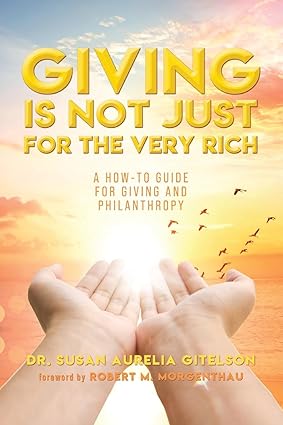
A: In the traditional sense, the word often describes wealthy individuals. However, the modern understanding of philanthropy includes anyone who gives strategically to create change. A family that donates $20 a month to a charity is engaging in philanthropy. As the book Giving Is Not Just for the Very Rich teaches us, everyone can be a philanthropist.
Q: What motivates someone to become a humanitarian or philanthropist?
A: Motivations are deeply personal. They can be sparked by religious faith, a powerful sense of empathy, a personal experience with a problem, or a simple desire to leave the world better than they found it. Often, it’s a mix of these things.
Q: How do I decide which role is right for me?
A: Ask yourself these questions:
- Do I have more time or more money to give right now?
- Do I feel called to work directly with people, or do I prefer to support a cause from behind the scenes?
- What problem breaks my heart, and what kind of solution does it need a quick response or a long-term investment?
Your answers can guide you toward the role that will be most fulfilling for you.
Conclusion: Your Place in the Story of Giving
The difference between a humanitarian and a philanthropist is simple: one is the hand that helps in the moment, and the other is the engine that drives change for the future. Both are driven by the same thing—a deep love for humanity.
Understanding this difference helps you see the beautiful, complex way our world gets better. It shows you that you have a place in this story, no matter who you are.
So, what will your role be?
Will you offer a helping hand to someone in your community today? Will you set up a small, monthly donation to a cause you believe in?
Start your journey today. Think about what you care about most. Then, take one small step. Whether it’s volunteering at a local shelter or giving $5 to a food bank, your action adds to the grand, timeless story of human generosity.

0 Comments
Trackbacks/Pingbacks