

Have you ever wondered why some people are so quick to help others? Or why certain communities seem to have a strong tradition of giving, even when they don’t have much money themselves?
The answer often lies in something very personal: their faith.
Across the world, religion continues to be one of the most powerful forces driving generosity. Whether it’s a Christian tithing 10% of their paycheck, a Muslim giving Zakat during Ramadan, or a Jewish person performing acts of Zedakah, religious beliefs shape not just how much people give, but why they give and who they choose to help.
In this article, we’ll explore the deep connection between faith and giving. We’ll look at what major religions teach about charity, examine the latest data on religious giving, and show you how these ancient traditions are influencing modern philanthropy in surprising ways. Most importantly, we’ll help you understand how your own beliefs—whatever they may be—can guide you to become a more thoughtful and effective giver.
What This Article Will Cover
- Why religion matters in understanding modern giving
- What major world religions teach about charity
- Current statistics on religious giving (with the latest data)
- How faith-based giving is changing in the 21st century
- Practical ways to align your giving with your values
- Frequently asked questions about religion and philanthropy
Why Religion Still Matters in Giving
Let’s start with a simple truth: faith and giving have been connected for thousands of years.
Long before there were government programs or large foundations, religious communities were the original safety net. They fed the hungry, cared for widows and orphans, sheltered travelers, and built the first hospitals and schools.
But this isn’t just ancient history. Today, religious beliefs continue to shape charitable behavior in powerful ways. According to the latest research, people who attend religious services regularly are more likely to:
- Donate money to charity
- Volunteer their time
- Help a homeless person
- Give blood
- Express empathy toward others in need
Why? Because most major religions teach that helping others isn’t just a nice thing to do it’s a sacred duty. It’s woven into the very fabric of what it means to be a faithful person.
As Dr. Susan Aurelia Gitelson explains in her article The Heart of Giving: A Complete History of Philanthropy Across Cultures, “The most powerful and lasting shift in the history of giving came from the Middle East, with the rise of Judaism, Christianity, and Islam. These religions didn’t just suggest giving; they commanded it as a sacred duty. They tied the love of God directly to the love of neighbor.”
Let’s explore what each major faith tradition teaches about giving.
What Major Religions Teach About Giving
Christianity: Love Your Neighbor
In Christianity, giving flows from the core teaching to “love your neighbor as yourself.” This isn’t just about feeling love—it’s about showing love through action.
Key concepts:
- Tithing: Many Christians practice tithing, which means giving 10% of their income to the church. This tradition comes from the Hebrew Bible (Old Testament) and is seen as an act of worship and trust in God.
- Agape love: This Greek word describes selfless, unconditional love—the kind of love that gives without expecting anything in return.
- The Good Samaritan: Jesus’s famous story about a stranger who stops to help an injured man teaches that your “neighbor” includes everyone, not just people in your own group.
The Bible puts it simply in Matthew 25:40: “Whatever you did for one of the least of these brothers and sisters of mine, you did for me.” This teaching makes helping the poor and vulnerable a direct way of serving God.
Islam: Purification Through Giving
In Islam, giving is one of the Five Pillars—the core practices that every Muslim must follow. This makes charitable giving not optional, but required.
Key concepts:
- Zakat: This is mandatory charity. Muslims who have enough wealth must give 2.5% of their savings each year to help those in need. The word Zakat means “purification” and “growth”—the idea is that giving purifies your remaining wealth and your soul.
- Sadaqa: This is voluntary charity—any act of kindness given out of compassion. It can be money, but it can also be a smile, a helping hand, or even removing something harmful from the road.
- The Right of the Poor: In Islamic teaching, the poor have a right to some of the wealth of the community. Zakat isn’t just a generous gift—it’s justice.
The Quran emphasizes that wealth is a trust from God, and Muslims are expected to use it responsibly to help others.
Judaism: Justice, Not Just Charity
In Jewish tradition, giving isn’t primarily about charity—it’s about justice. The Hebrew word for charity, zedakah, comes from the root word meaning “righteousness” or “justice.”
Key concepts:
- Zedakah as obligation: Unlike in some traditions where giving is voluntary, in Judaism, helping the poor is a religious obligation. It’s not just a good deed—it’s what God requires.
- The Eight Levels of Giving: The medieval Jewish philosopher Maimonides described eight levels of charity, with the highest being helping someone become self-sufficient (through a job, a loan, or a partnership) so they no longer need help.
- Loving the stranger: The Torah repeatedly reminds the Jewish people, “Love the stranger, for you were strangers in the land of Egypt.” This empathy, born from their own history of suffering, makes caring for the vulnerable a central duty.
Buddhism: Generosity as a Path to Enlightenment
In Buddhism, giving (dana in Sanskrit and Pali) is the first step on the path to enlightenment. It’s considered the foundation of all spiritual development.
Key concepts:
- Overcoming attachment: Giving helps Buddhists overcome greed and attachment to material things—two major obstacles to enlightenment.
- The hungry ghost: Buddhist teachings use the image of “hungry ghosts”—beings with huge appetites but tiny mouths who can never satisfy their desires. They represent people who are trapped by their own greed and unable to give.
- The gift of the Dharma: While material gifts are good, the greatest gift in Buddhism is sharing the teachings (Dharma) that can liberate others from suffering.
In Buddhist countries like Thailand, Myanmar, and Sri Lanka, it’s common to see monks walking silently each morning while laypeople offer them food. This daily practice benefits both sides: laypeople gain merit by giving, and monks receive the material support they need to continue their spiritual practice.
Hinduism: The Duty of Giving
In Hinduism, giving (dana) is considered a fundamental virtue and an important part of one’s dharma (righteous duty).
Key concepts:
- Earning good karma: Giving is seen as a way to earn good karma, which leads to a better rebirth in the next life.
- The right way to give: Ancient Sanskrit texts teach that gifts should be given to a worthy recipient, at the right time, in the right place, and without expecting anything in return.
- No strings attached: The highest form of giving is done with no expectation of reward—not even gratitude or recognition.
The Data: What Statistics Tell Us About Religious Giving
Now let’s look at what the numbers say. The most recent data from sources like the 2025 World Giving Report and research from institutions like the Hoover Institution reveal some fascinating patterns.
Key Statistics on Religious Giving
| Finding | What It Means |
| 43% of donors in Africa give to religious causes | Religion is the top cause in Africa, showing how deeply faith shapes giving there |
| Religious households give more than secular households | Even when you account for income, religious people give more to all types of charity, not just religious ones |
| 24% of global donors cite religion as their motivation | Nearly one in four people who give say their faith is why they give |
| Zakat generates billions annually | In Muslim-majority countries, mandatory Zakat creates a massive flow of funds to the poor |
| Faith-based organizations provide 50% of health services in some developing countries | Religious giving doesn’t just support churches—it runs hospitals, schools, and food programs worldwide |
Surprising Findings
Here’s something interesting: people in religious households don’t just give more to religious causes—they give more to secular causes too. Research from the Hoover Institution shows that regular religious attendees are more generous across the board. They’re more likely to give to secular charities, help homeless people, and volunteer in their communities.
Why? Because religious communities create what sociologists call “social capital”—networks of trust and mutual support that encourage generosity in all areas of life. When you’re part of a faith community, you’re constantly exposed to opportunities to help others, and you see generosity modeled by people around you.
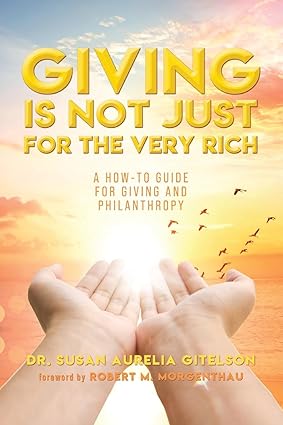
Another surprising fact: lower-income religious households often give a larger percentage of their income than wealthier ones. This matches a broader pattern in giving: people with modest means often give a higher percentage of what they have than the very rich. As Susan Aurelia Gitelson reminds us in her book Giving Is Not Just for the Very Rich, the most meaningful gifts often come from those who give a little of what they have, not just a lot of what they can spare.
How Religious Giving Is Changing in the 21st Century
While the core teachings about giving remain the same, the way religious people practice charity is evolving. Here are some of the biggest changes happening right now.
1. From Local to Global
Traditionally, religious giving focused on the local community—your congregation, your neighborhood, your city. Today, faith-based giving has gone global. A Christian in Iowa can support a well-drilling project in Kenya. A Muslim in London can donate Zakat to refugees in Syria. Technology has made it possible to help people anywhere in the world.
2. From Charity to Justice
Many faith communities are shifting from simply meeting immediate needs to addressing root causes. Instead of just running a food pantry, they might also advocate for policies that reduce hunger. Instead of just sheltering homeless families, they might work on affordable housing solutions.
This shift toward sustainable philanthropy—creating long-term solutions rather than quick fixes—reflects a deeper understanding of what religious teachings require. As The Evolution of Generosity in Society explains, “Instead of just giving a hungry person a fish, sustainable philanthropy teaches them how to fish and works to make sure the lake has plenty of fish for everyone.”
3. Interfaith Giving
Another beautiful trend is the growth of interfaith giving. Muslims, Christians, Jews, and people of other faiths are increasingly working together on shared concerns like fighting poverty, protecting the environment, and welcoming refugees. These partnerships honor each tradition’s unique teachings while finding common ground in service to humanity.
4. Technology and Transparency
New technology is changing how religious giving works. Online giving platforms make it easier to donate. Crowdfunding allows communities to rally around specific needs. And perhaps most importantly, technology is increasing transparency. Donors can now see exactly how their money is used, which builds trust and encourages more giving.
5. Younger Generations Give Differently
Younger religious people (Millennials and Gen Z) tend to give differently than their parents and grandparents. They’re less likely to write checks to institutions and more likely to give through apps, support specific projects, and want to see measurable impact. They also care deeply about whether an organization’s values align with their own—including how it treats its workers and the environment.
How to Align Your Giving with Your Faith
If you’re a person of faith who wants to give more intentionally, here are some practical steps you can take.
1. Start with Your “Why”
Before you give, ask yourself: What does my faith teach about giving? Spend some time with the sacred texts and traditions of your religion. What do they emphasize? Justice? Compassion? Generosity as worship? Selflessness? Understanding your tradition’s unique emphasis will help guide your giving.
2. Look at Your Current Giving
Take a honest look at where your money and time currently go. Does your giving reflect your faith’s priorities? If your tradition emphasizes caring for the poor, are you actually supporting organizations that serve people in need? If your faith calls you to welcome the stranger, are you involved in refugee or immigrant support?
3. Give Regularly, Not Just When You’re Moved
Most religious traditions emphasize regular, disciplined giving rather than sporadic emotional responses. Consider setting up automatic monthly donations to causes you care about. This creates a steady stream of support that organizations can count on.
4. Give More Than Money
Remember that generosity includes your time, skills, and presence. Can you volunteer at a faith-based food bank? Offer your professional skills to a religious nonprofit? Simply show up to support someone who’s struggling?
5. Give with Others
There’s something powerful about giving as part of a community. Join your congregation’s giving efforts. Participate in fundraising campaigns. Volunteer with a group from your faith community. Giving together builds bonds and multiplies impact.
6. Research Before You Give
Make sure the organizations you support are effective and align with your values. Look for transparency about how donations are used. Check if they have a religious affiliation that matches your own (if that matters to you). See if they involve the communities they serve in decision-making.
7. Teach the Next Generation
If you have children or young people in your life, involve them in your giving. Explain why you support certain causes. Let them choose a charity to give to. Take them along when you volunteer. This passes on the tradition of faith-based generosity.
Frequently Asked Questions
Q: Do you have to be religious to be generous?
A: Absolutely not! People of all beliefs—and no religious belief—can be and are deeply generous. Many secular humanists, atheists, and agnostics give generously to causes they care about. The data simply shows that, on average, religious people tend to give more. But generosity is a human quality, not exclusively a religious one.
Q: What percentage of giving in the US is religious?
A: According to the latest Giving USA data, religious organizations receive about 27% of all charitable dollars in the United States. This makes religion the single largest category of charitable giving, ahead of education, health, and human services.
Q: Is Zakat only for Muslims?
A: Yes, Zakat is a religious obligation specifically for Muslims who meet the wealth criteria. However, Zakat funds can be used to help anyone in need, regardless of their religion. Many Muslims choose to give their Zakat to organizations that serve the general population, not just Muslims.
Q: Do younger religious people give less?
A: It’s complicated. Younger generations may give less to traditional religious institutions (like churches and synagogues), but they often give more to faith-based causes through alternative channels. They also tend to prioritize different issues, like climate change and racial justice, which they may address through faith-based organizations focused on those areas.
Q: How can I find faith-based charities to support?
A: Start with your own congregation or religious denomination—they likely support various ministries and missions. You can also look for organizations affiliated with your faith tradition (like Catholic Charities, Islamic Relief, or American Jewish World Service). Websites like Charity Navigator allow you to search for charities by religious affiliation.
Q: Does religious giving actually help people, or does it just support the institution?
A: Both! Religious giving supports the institution (maintaining buildings, paying staff, supporting programs), which in turn allows the community to serve others. But much religious giving also goes directly to helping people in need—through food pantries, disaster relief, refugee resettlement, health clinics, schools, and more. Faith-based organizations are actually among the largest providers of social services in many countries.
The Big Picture: Why This Matters
Understanding religious influences on modern giving isn’t just an interesting academic exercise. It matters because:
For individuals: It can help you give more intentionally, aligning your generosity with your deepest values.
For organizations: It helps charities understand why people give and how to connect with donors’ motivations.
For society: It reminds us that generosity is woven into the fabric of human culture, and that religious communities remain a powerful force for good in the world.
As Susan Aurelia Gitelson writes in her exploration of The Evolution of Generosity in Society, “The evolution of generosity shows us one clear thing: helping each other is a timeless and powerful force for good. From our earliest ancestors sharing a meal to modern companies working to save the planet, the spirit of giving has shaped our world.”
Your Turn: Be Part of the Story
Now it’s your turn. Whatever your faith tradition—or if you have none at all—you have a role to play in the beautiful story of human generosity.
Start by asking yourself:
- What do I believe about giving?
- What causes break my heart or make me want to act?
- How can I use my time, money, and skills to make a difference?
Then take one small step. It might be setting up a monthly donation to a faith-based organization you trust. It might be volunteering at a religious food pantry. It might be simply committing to one act of kindness each day.
Remember: you don’t have to be rich to be generous. Every act of giving, no matter how small, creates ripples that spread far beyond what you can see.
If you’d like to dive deeper into how to give wisely and well, check out these resources:
- The Heart of Giving: A Complete History of Philanthropy Across Cultures
- The Evolution of Generosity in Society
And consider reading Susan Aurelia Gitelson’s book, Giving Is Not Just for the Very Rich: A How-to Guide for Giving and Philanthropy. It’s filled with practical wisdom for anyone who wants to make a difference.

0 Comments
Trackbacks/Pingbacks