

Philanthropy is often imagined as something reserved for billionaires, foundations, or global celebrities. Yet examples of philanthropy in everyday life reveal a very different truth. Giving does not begin with wealth; it starts with awareness, intention, and action.
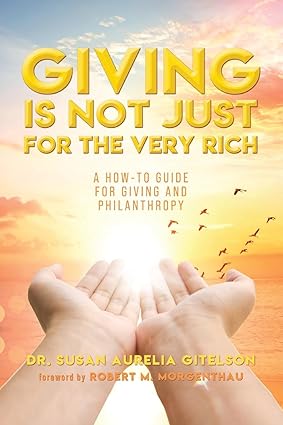
As Susan Aurelia Gitelson explains in her brilliant book, Giving Is Not Just for the Very Rich, generosity is accessible to people at every income level and stage of life. Within the first moments of understanding philanthropy, readers often realize that giving is already part of their daily routines or schedules.
A neighbor helping another through a personal crisis, a professional mentoring a student, or a family supporting a local cause all demonstrate how generosity shapes communities. Over time, these small actions build momentum, creating meaningful and lasting impact. This article explores how philanthropy shows up in ordinary settings, why it matters, and how anyone can participate with confidence.
Rethinking What Philanthropy Really Means
Philanthropy is not limited to writing large checks or establishing foundations. At its core, it reflects a commitment to improving lives through thoughtful contribution and meaningful goals. In everyday settings, philanthropy blends naturally with volunteering, ethical choices, and intentional generosity.
Individuals who give time or resources develop social bonds with others that strengthen over time. In general, philanthropic ventures help those in need while also expanding the giver’s network. The purpose goes beyond helping, serving, and assisting. As a result, everyday generosity serves both the giver and the recipient.
So when philanthropy is viewed as participation, it becomes an essential part of daily life—a crucial part of living.
Why Everyday Giving Creates Real Impact
Large-scale donations often receive newspaper headlines and social media recognition. However, the true movements that make the difference are community-level giving that quietly sustains schools, shelters, cultural programs, and faith-based initiatives. These local acts of generosity fill gaps that institutions alone cannot address.
In the book, Susan Gitelson highlights that the power of collective participation among the people in the community has fueled different advocacies. When many people give with their hearts, the cumulative effect is transformative.
Moreover, everyday giving strengthens trust within communities, encouraging cooperation and shared responsibility. In a way, it connects many individuals.
Common Examples of Philanthropy in Daily Life
1. Giving Time Through Local Service
Time remains one of the most valuable resources anyone can offer. Volunteering at food banks, schools, libraries, animal shelters, or faith organizations creates immediate and visible change. These efforts support systems that rely heavily on community involvement to function effectively.
In many cases, volunteers provide skills that organizations could not otherwise afford. Teaching children, organizing events, mentoring young teens, and caregiving extend services beyond financial limitations. Over time, this form of philanthropy in action builds resilient networks of support.
2. Supporting Causes Through Modest Financial Contributions
Charitable giving does not require large sums or cheques. Regular donations (even the smallest amount) to trusted organizations sustain long-term missions. Monthly contributions, even at low amounts, help nonprofits plan and operate consistently. While it may look minuscule, the combined donations from different supporters can make a difference.
Susan Gitelson emphasizes that disciplined giving habits matter more than donation size. Individuals who budget for generosity often discover a deeper connection to the causes they support and care for. This approach also models responsible generosity for younger generations.
3. Sharing Knowledge and Professional Skills
Philanthropy frequently appears in the form of sharing expertise, skills, and knowledge. Professionals who mentor students, advise nonprofits, or offer pro bono services contribute lasting value. In general, these contributions empower others to grow independently. It’s fulfilling to see others succeed, especially with the help of their mentors.
Skill-based giving strengthens institutions while fostering leadership development. Over time, this exchange multiplies its impact beyond immediate assistance. Such acts reinforce social responsibility through practical engagement.
4. Acts of Compassion in Personal Circles
Everyday philanthropy often begins at home, with the family. Supporting a struggling family member, assisting an elderly neighbor, or offering childcare during emergencies reflects generosity rooted in empathy.
These acts may never appear in statistics, yet they sustain emotional and social well-being. They also model kindness as a lived value, not an abstract concept. In this way, compassion becomes a foundation for broader community involvement.
5. Ethical Consumer Choices That Support Good Causes
Purchasing decisions also reflect philanthropic values. Supporting businesses that donate profits, treat workers fairly, or invest in community programs extends generosity into daily commerce.
Many social enterprises exist to align consumption with purpose. Choosing them reinforces charitable giving through everyday behavior. This form of philanthropy integrates values into routine decisions. And many people are cautious when choosing brands because of the company’s affiliations and objectives.
How Everyday Philanthropy Shapes Society

Cleaning the beach | Image Source: Unsplash
Philanthropy influences culture by normalizing generosity as a shared responsibility that benefits all. When individuals engage consistently, communities grow stronger and more adaptable. Over time, these habits foster collaboration across economic, social, and cultural lines.
As lives are nurtured and strengthened, the community moves forward together. And so, philanthropy positively helps in establishing a better society for all. As more people recognize their ability to contribute, philanthropy evolves into a collective movement that propels people forward.
Overcoming Common Barriers to Giving
Many people hesitate to give due to uncertainty, financial anxiety, or fear of inefficiency. But through education about the benefits of giving and transparency on where efforts are added, it helps overcome these kinds of concerns. Learning how organizations operate builds confidence in decision-making. At other times, the outputs from others help make the process more efficient for different organizations.
So, how can people overcome these barriers? Well, individuals can start small. They can give without feeling pressured or goaded by others. When people realize the importance of this habit, generosity becomes sustainable and intentional—making a change for the better. The key lies in aligning giving with personal values and realistic capacity.
Practicing Philanthropy Every Day
Understanding examples of philanthropy in everyday life invites readers to reflect on their own opportunities to give. Whether through time, talent, or modest resources, each contribution matters. Begin by identifying one cause that resonates personally with you, something that reflects a part of yourself. Commit to a simple, consistent action. As confidence grows, expand involvement thoughtfully. Philanthropy belongs to everyone willing to act with intention and care. Susan Aurelia Gitelson’s book, Giving Is Not Just for the Very Rich, reminds readers that generosity thrives in everyday moments and opportunities. So, if you are interested in reading this brilliant novel, grab a copy today!

0 Comments
Trackbacks/Pingbacks