

Photo by DC Studio
When people decide to give, they face a big choice between tactical versus transformational philanthropy.
One approach fixes an immediate problem. The other tries to change the system that causes the problem.
Ultimately, it is your goals that will decide which path you take.
Tactical versus Transformational Philanthropy
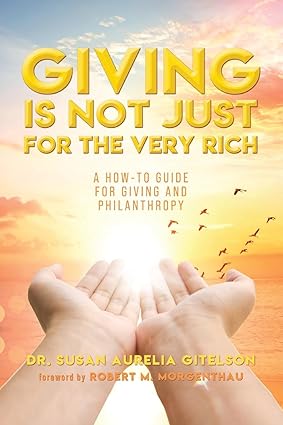
Dr. Susan Aurelia Gitelson’s Giving Is Not Just for the Very Rich is a guide for all donors, rich and poor. She shows us that giving is for everyone with tons of stories and anecdotes about the different kinds of givers.
This book helps you see how your gifts, big or small, can make a difference in the life of the unfortunate and, more broadly, in the world we live in.
Understanding the difference between tactical and transformational philanthropy is key to making that difference count.

Photo by peoplecreations
What is Tactical Philanthropy?
Tactical philanthropy focuses on the “now,” addressing urgent and immediate needs.
The primary goal is to provide direct relief or a quick solution. Think of it as putting out a fire.
When a natural disaster hits, people need food, water, and shelter right away. Tactical philanthropy includes donating to a food bank, funding emergency medical supplies, or buying books for a classroom.
The help is direct, and the results are often seen quickly.
In Gitelson’s book, she posits that many everyday acts of giving are tactical, writing about volunteers who “help in many imaginative ways,” such as serving at soup kitchens or cleaning up after a storm.
This work is vital, meeting critical needs and saving lives.
The goal of tactical philanthropy is clear: alleviate suffering today.
What is Transformational Philanthropy?
Transformational philanthropy looks at the “future,” asking, “Why does this problem keep happening?”
The goal, then, is to create lasting change by tackling the root cause.
Think of it as building a fire station, training firefighters, and improving building codes to prevent fires in the future.
Transformational giving strategies involve investing in education, scientific research, or changing policies. The results of this approach may take time, but the impact is wide and lasting.
Gitelson highlights givers who use this approach, discussing “social entrepreneurs who strive for impact.” These people apply business methods to solve social problems. They don’t just give a fish; they teach how to fish and try to improve the fishing industry.
Their goal is to break a cycle of need.
The Key Difference Between Tactical and Transformational Philanthropy
The main difference in tactical versus transformational philanthropy is the goal and the timeline.
Tactical giving has an event-based goal, where the “event” is the crisis at hand, which could be either a hurricane, a school without supplies, or a person who is hungry tonight.
The goal is to respond to that specific event and that only.
Transformational giving has a more system-based goal. The “event” might be a pervasive issue in education, a localized but persistent disease, or a community that has been suffering from a declining quality of life.
The goal is to create a new, better system that prevents the crisis.
Both are important.
Gitelson makes this clear: “While we will offer examples from [the] wealthiest donors, we will also indicate how much is being done by people who are not very rich. The common thread is to show people who are improving the world in varied ways.”
Sometimes improvement means feeding the hungry today. Other times, it means funding research to end hunger tomorrow.
The Impact of Tactical Philosophy
Smart giving, or tactical philanthropy, means thinking about your goals. It means asking: Do I want to help with today’s problem or stop tomorrow’s?
Your passion is what guides you.
Gitelson advises, “decide what your major values and motivations are.” If you see a hungry child, your heart may prompt you to make a tactical gift—donate to a meal program. If you read about generations of poverty, your mind may pull you toward transformational giving—fund a job-training program.
You can do both.
Many donors start with tactical gifts. Seeing a problem up close then inspires them to make a transformational gift. Gitelson says that experiences often motivate deeper giving.
The Impact of Transformational Philanthropy
The long-term impact of transformational philanthropy can change the world, building structures that keep giving long after the original donor is gone.
Gitelson points to foundations like the Bill & Melinda Gates Foundation that don’t just buy medicine and actually fund the creation of new vaccines. This is a classic transformational giving strategy.
The goal is not simply to treat malaria but to eradicate it completely: an impact that spans decades and crosses borders.
She also notes how gifts to education transform lives: scholarship can have a transformative effect if that student becomes a doctor who serves a community for 40 years.
Gitelson quotes the donor John Kluge, who gave millions for scholarships: “Columbia gave me an opportunity, and the only way you can really repay that opportunity is for you to help someone else.”
This mindset fuels transformational change.

Photo by rawpixel.com
Your Journey as a Philanthropist
You don’t have to be rich to think about tactical versus transformational philanthropy. Every donor can be strategic.
Start by looking at what you care about. Then, look at organizations.
Gitelson devotes a whole section to how to properly vet organizations.
Ask: Does this group provide direct service (tactical), or does it work on changing policies, advancing research, or building capacity (transformational)?
Remember her core message: “Giving is for all of us, who, in our own ways, have the power and the capacity to make a difference.”
Whether you volunteer at a local shelter or help a national advocacy group, you are part of the solution.
The key is to give in a way that matches your goals.
Understanding the difference between tactical and transformational philanthropy can empower you, helping you direct your time, money, and passion where it will do the most good—whether that’s solving a problem for today or for generations to come.
Ready to discover your own path to meaningful giving? Read the inspiring stories and practical guidance found in Giving Is Not Just for the Very Rich.

0 Comments