

Understanding altruism vs philanthropy helps clarify how people contribute to the world in both personal and organized ways. While many assume these terms are interchangeable or the same thing, they actually reflect different motivations, methods, and impacts.
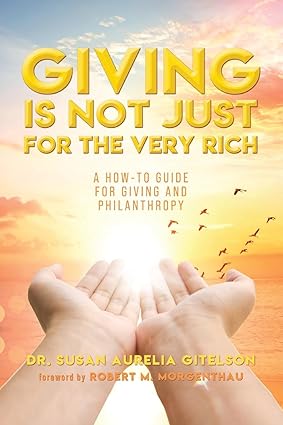
Susan Aurelia Gitelson’s fantastic book, Giving Is Not Just for the Very Rich, challenges the belief that generosity or giving to others belongs only to the wealthy and shows how everyday actions shape communities in lasting ways.
At a time when social needs continue to grow, knowing how altruism and philanthropy work empowers individuals to give with intention. This guide explains the differences, explores real-world implications, and helps readers decide how their own values can translate into meaningful action.
Defining Altruism in Everyday Life
Altruism refers to actions motivated by concern for others, often carried out quietly and personally. It shows up when someone helps others without expecting recognition or reward. These acts may be small, yet they create an immediate human connection between giver and receiver.
A neighbor checking on the status and condition of an elderly resident or a parent volunteering time at a school to help with projects reflects selflessness in action. While these gestures do not involve money, they contribute to emotional support and trust within communities. Over time, such efforts strengthen and expand social ties and improve well-being for both giver and recipient.
In a sense, altruism functions as a daily practice that shapes character and community simultaneously.
Understanding Philanthropy as Structured Giving
Philanthropy operates on a broader scale as it involves planned contributions, often financial, aimed at addressing systemic challenges such as education, health care, and poverty. Foundations, nonprofits, and organized initiatives typically lead these efforts.
Susan Gitelson highlights that philanthropy is not limited to million-dollar donations. Many households contribute to different causes because they value the goals and advocacies of the organizations. In other words, philanthropy is a collective effort that centers on a group and its supporters.
And so, philanthropy thrives through widespread participation from various individuals and not from elite exclusivity.
Key Differences Between Altruism and Philanthropy
While both aim to help others, altruism and philanthropy differ in approach, scope, and structure.
Altruism tends to be spontaneous and personal. It responds to immediate needs and builds relationships at the local level. Its power lies in human presence and empathy for others, especially friends, neighbors, or colleagues.
Philanthropy focuses on long-term solutions and actions. It channels resources (time and effort included) into programs designed to create measurable outcomes. Strategic planning and evaluation guide these efforts, allowing organizations to address root causes over time.
Together, these approaches complement each other. Personal kindness fuels community trust, while organized giving supports sustainable change.
Motivation Matters in Giving

Support Community signage | Image Source: Unsplash
When people look at it, motivation shapes how giving unfolds in different situations.
For instance, altruism often stems from empathy and moral instinct. People act when they see another person in need. On the other hand, philanthropy typically involves reflection and alignment with personal values. Donors consider where their resources can create the greatest social good. Or, they choose groups or organizations that are close to their hearts via objectives and goals.
Both motivations remain valid and necessary to a person wanting to be a better version of themselves. When individuals understand what drives them, they give with greater consistency and confidence.
The Impact on Communities and Society
Communities benefit when altruism and philanthropy operate together for the common good. Local acts of kindness meet immediate needs, while structured giving builds institutions that serve future generations.
For example, volunteers mentoring students offer personal guidance, while philanthropic funding supports school programs and scholarships. This layered approach multiplies results. And so, the two working together showcase an incredible overlapping of strengths and purpose.
A 2019 study on the role of civil engagement in a person’s well-being and resilience showed that people who are actively participating in community life through volunteering, helping peers and neighbors, or joining local groups tend to experience higher levels of personal resilience and well-being. They can positively adapt to situations after traumatic crises or events in the area.
Can One Person Practice Both?
It’s a big yes! Many people do this practice. A person may volunteer time weekly and donate annually to a nonprofit they trust. This blend reflects a holistic view of charitable behavior, where heart and strategy work together.
Gitelson’s book encourages readers to explore multiple ways of giving, including skills-based volunteering, advocacy, and collaborative funding. These options allow individuals to adapt their generosity as circumstances change. Since it’s flexible, individuals do not feel burned out from volunteering or donating.
But why does knowing the difference between the two matter? Understanding altruism vs philanthropy helps people avoid feeling overwhelmed or excluded. Some hesitate to give, assuming their contribution is too small to matter, while others give too much, which can be detrimental to their health.
In reality, collective generosity depends on participation at every level. When people recognize that both personal actions and organized support count, they engage more freely. This perspective fosters compassion without pressure and encourages thoughtful involvement.
Practical Ways to Apply This Understanding
1. Start with awareness. Reflect on situations where small acts of help feel natural, then recognize these as meaningful contributions. After establishing what matters, you know what organizations or tasks you are looking for.
2. Identify projects or causes that align with your values. Research different organizations that reflect your concerns and goals. Make sure their objectives, goals, processes, and methods are acceptable by your standards.
3. Balance time and resources. Combine volunteering with financial support when possible. Do not overdo anything; it will lead to burnout and frustration. Volunteer work or financial support are two things you can do separately.
4. Evaluate impact. Look for transparency and results in organizations you support. Does your institution provide transparent documents that show progress? Do you know where your donations are going? How are the projects going? Always check your organization’s program’s growth.
5. Commit consistently. Regular giving, even in modest amounts, builds momentum over time. Volunteering for an hour every week builds a habit that makes you contented and happy.
Thoughtful Giving and Sharing
Understanding altruism vs philanthropy invites reflection on how each person contributes to a better world. Susan Aurelia Gitelson’s brilliant book, Giving Is Not Just for the Very Rich, reminds readers that generosity is a shared responsibility and a personal opportunity.
Consider your own capacity to give time, skills, or resources. Choose one action this month that aligns with your values. Small steps, taken consistently, shape stronger communities and more meaningful lives. Explore the book today; grab your copy now!

0 Comments
Trackbacks/Pingbacks