
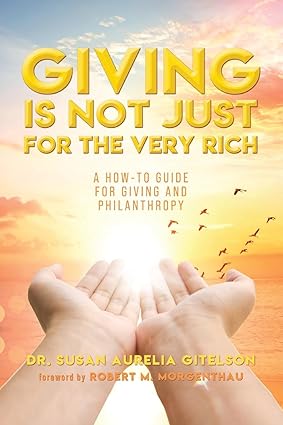

The phrase the culture of philanthropy describes more than huge amounts of donations or grand charitable events. It reflects shared beliefs, habits, and values that guide how people give, why they give, and how giving becomes part of everyday life. Susan Aurelia Gitelson’s book Giving Is Not Just for the Very Rich presents a clear and practical view of philanthropy as an inclusive practice shaped by intention and community, and not centered on wealth alone.
This article explores how a culture of philanthropy forms, how it influences individual and collective behavior, and why it plays a lasting role in shaping societies. It also explains how everyday people can participate meaningfully and confidently in giving, regardless of income level.
Understanding What a Culture of Philanthropy Means
A culture of philanthropy exists when giving becomes a shared norm among community members. In such environments, people view generosity as a responsibility and a privilege—something valued highly. Giving feels natural, expected, and important across generations.
Gitelson emphasizes that philanthropy is not limited to large donations. Time, knowledge, leadership, and advocacy also matter. When communities recognize these contributions as valuable as monetary ones, more people feel empowered to participate.
Over time, this shared mindset reinforces philanthropic values, encouraging consistent and thoughtful action that benefits both givers and recipients.
How Social Norms Influence Giving Behavior
Social norms strongly shape how people approach generosity. When giving is visible and celebrated, individuals feel encouraged to contribute and be part of the team. When it feels exclusive or intimidating, participation declines, and people tend to stray away.
So, how are individuals encouraged to start sharing or giving? Gitelson highlights that people learn generosity through example. Families, schools, faith communities, and workplaces all shape how individuals view their role in helping others. For example, children learn the importance of sharing their toys or meals when parents teach them. Through schools, students experience cooperation and teamwork.
The Role of Education in Building a Giving Culture
Education plays a central role in shaping long-term giving habits for different people. Early exposure to volunteer work, service learning, or charitable discussions helps normalize generosity.
Gitelson notes that when people understand how giving works and where contributions go, trust increases. Therefore, transparency builds confidence, and confidence supports sustained engagement.
Educational efforts also demystify philanthropy. When people learn that impact does not depend on wealth, they begin to see themselves as capable contributors to a culture of giving. Additionally, individuals realize the weight of giving back and sharing with many communities and groups.
Community Influence and Collective Action
Philanthropy often grows strongest at the community level—within the heart of those who need assistance the most. And so, local organizations, faith groups, and neighborhood initiatives show people how their actions matter. And how these things make a huge change for many people.
Collective efforts demonstrate collective generosity, where small individual contributions combine to produce meaningful results for other people, societies, and groups. Community foundations and donor-advised funds often reflect this principle.
Gitelson’s work shows that when people give together, they build relationships alongside resources. These connections strengthen trust and social cohesion.
Five Ways the Culture of Philanthropy Shapes Giving

Sorting canned goods | Image Source: Unsplash
1. It Normalizes Participation
A strong philanthropic culture removes the idea that giving belongs to a specific group alone. People see neighbors, coworkers, and peers contributing in various ways. This visibility reduces hesitation and encourages involvement. Over time, participation becomes a habit worth doing. Gitelson stresses that normalization leads to sustainability. When giving feels ordinary, it lasts.
2. It Encourages Purposeful Choices
Philanthropic cultures emphasize thoughtful giving. Individuals reflect on their values and choose causes that align with them. This alignment increases satisfaction and long-term commitment. Gitelson provides tools for evaluating charities to support informed decisions. Hence, purposeful choices strengthen trust in the process. Additionally, it inspires individuals to keep doing what they are doing.
3. It Builds Accountability and Trust
When giving is part of a shared culture, accountability matters for both parties. Organizations strive for transparency, and donors expect clarity and honesty. This mutual expectation improves outcomes and drives parties to strive for accountability. And so, trust grows through open communication and measurable impact. Gitelson highlights the importance of evaluation and oversight in maintaining confidence.
4. It Broadens the Definition of Impact
Cultural shifts expand what counts as a meaningful contribution. In that sense, time, advocacy, mentorship, and leadership gain recognition alongside financial support. This inclusive view invites wider participation, especially for individuals who are willing to contribute their time and effort. People discover new ways to give based on their skills. As a result, philanthropy becomes more diverse and resilient.
5. It Strengthens Social Responsibility
A philanthropic culture reinforces shared responsibility for community well-being. Individuals recognize their role in addressing challenges. In this way, awareness supports long-term investment in education, health, and social services. Gitelson connects this mindset to measurable societal impact across generations.
The Impact of Leadership and Role Models
Leaders influence philanthropic culture through example. By setting an illustration of how one can help, public figures, educators, and community organizers demonstrate how giving can be integrated into daily life.
The book highlights donors and volunteers from diverse backgrounds, showing that leadership in giving takes many forms. In this instance, visibility inspires imitation.
When leaders model generosity with humility and clarity, they help shift perceptions. Then, giving becomes attainable and relatable.
How Individuals Can Strengthen the Culture of Philanthropy
Every person plays a role in shaping philanthropic culture. Small actions create ripple effects that influence others. An act of kindness goes a long way; it can inspire others to step forward.
Sharing experiences, volunteering skills, mentoring, and supporting local causes all contribute to philanthropic goals and visions. Consistency matters more than the scale covered.
Gitelson encourages readers to reflect on personal values and passions. Alignment leads to meaningful and sustainable involvement in projects that are close to the heart.
Building the culture of philanthropy begins with individual choice. Readers are invited to identify one cause they care about and one action they can take this month. That action might include volunteering time, donating modestly, sharing expertise, or advocating for a cause. Each step strengthens shared norms.
So, if you find Susan Aurelia Gitelson’s Giving Is Not Just for the Very Rich an incredible and interesting read that resonates with your future objectives and plans, it’s time to grab a copy. Get the details today!

0 Comments
Trackbacks/Pingbacks