

Have you ever wondered why people help each other? Why do we give to charity, hold doors for strangers, or volunteer our time? This urge to be generous is a powerful part of being human. But the way we show generosity has changed a lot throughout history. It has evolved from simple acts of sharing within small tribes to complex global efforts like sustainable philanthropy and corporate social responsibility.
Understanding this journey can help us see why giving is so important and how we can be a part of it today. This article will explore the fascinating story of generosity, from our ancient past to the modern world, and show you how you can make a difference, no matter who you are.
What is Generosity? More Than Just Money
First, let’s be clear about what generosity means. It’s not just about writing a check. At its heart, generosity is about being kind and giving to others without expecting something in return. This can include:
- Giving money or things to people in need or to charities.
- Giving your time through acts of kindness or the power of volunteerism.
- Sharing your skills and knowledge to help someone learn or solve a problem.
- Simply being there to listen and support a friend.
Generosity is closely linked to altruism, which is the selfless concern for the well-being of others. As you can see, it’s a big idea with many beautiful forms.
The Deep Roots of Generosity: A Look Back
The story of generosity begins long ago, with our earliest ancestors.
1. Generosity in Ancient and Tribal Societies
For early humans, living in small groups was essential for survival. In these tight-knit communities, sharing wasn’t just a nice thing to do; it was necessary. If a hunter was lucky and caught a large animal, the whole tribe would share the meal. This system of mutual help ensured that everyone ate, even on days when they weren’t successful.
This early form of generosity was based on reciprocity – the idea of “I’ll help you today, and you’ll help me tomorrow.” It built strong social bonds and trust, which kept the group safe and strong. Anthropologists have found that this kind of sharing is a universal human trait, found in indigenous cultures around the world. It was the foundation of society itself.
2. The Rise of Organized Giving: Religion and Community
As human societies grew into towns and cities, generosity became more organized. Major world religions like Christianity, Islam, Buddhism, and Judaism all made charity a central part of their teachings. They taught that helping the poor, the sick, and the stranger was a moral and spiritual duty. This led to the creation of some of the first formal charities, like hospitals, orphanages, and shelters, often run by religious groups.
Later, in the 19th century, people began to form non-religious groups to tackle social problems. This is when organized volunteerism really took off. Groups like the YMCA (founded in 1844) and the Rotary Club brought people together from all walks of life to work for the common good, focusing on community improvement and international understanding.
Generosity in the Modern Age: New Ways to Give
Today, generosity has exploded in new and exciting directions. We have more ways to help than ever before.
1. The Power of Volunteerism
Volunteering your time is one of the most direct ways to be generous. As you can see from the power of volunteerism, it’s a win-win for everyone. For the community, volunteers are heroes who step up during natural disasters, run food banks, tutor children, and clean up parks. For the volunteers themselves, the benefits are huge:
- Boosts Well-being: Helping others releases endorphins, creating a “helper’s high” and reducing stress.
- Builds Confidence: Learning new skills and making a real difference can greatly improve your self-esteem.
- Creates Connections: It’s a fantastic way to meet new people who share your interests and build a stronger community.
- Enhances Skills: You can learn everything from gardening to public speaking, which can even help your career.
2. From Quick Fixes to Lasting Change: Sustainable Philanthropy
In the past, giving was often about meeting an immediate need, like donating to a food drive after a storm. While still very important, this approach doesn’t always solve the root of the problem. Today, there’s a big shift toward sustainable philanthropy.
As explained in sustainable philanthropy: how to create long-term social change, this is about creating long-lasting solutions. Instead of just giving a hungry person a fish, sustainable philanthropy teaches them how to fish and works to make sure the lake has plenty of fish for everyone. It focuses on fixing the underlying causes of problems, like poverty or lack of education, to create a better future for generations to come. This involves careful planning, working with the community, and measuring the long-term impact.
3. Big Business Lends a Hand: Corporate Social Responsibility
It’s not just individuals who are giving anymore. Companies big and small are getting involved through corporate social responsibility (CSR) . This is when a business takes responsibility for its impact on society and the environment. It goes beyond just making a profit. Examples of CSR include:
- A company reducing its plastic waste.
- A business donating a percentage of its sales to a local school.
- A tech company offering free coding classes to young people.
As highlighted in corporate social responsibility: guide to ethical giving and philanthropy, CSR is good for the world and good for business. It builds trust with customers, makes employees proud, and helps ensure the company is a positive force in the community.
You Don’t Have to Be Rich to Be Generous
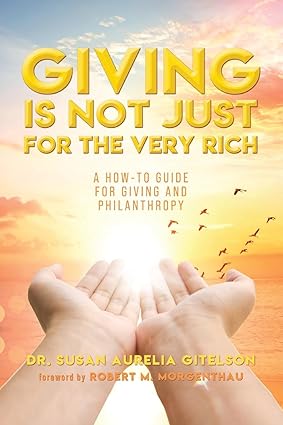
One of the most important ideas in modern generosity is that it’s for everyone. A common myth is that only wealthy people can be philanthropists. But as the book Giving Is Not Just for the Very Rich teaches us, this simply isn’t true. In fact, why altruism is not just for the rich is a powerful concept. When someone of modest means gives their time or a small amount of money, it can represent a real sacrifice, making their generosity even more remarkable.
Every single act of kindness, no matter how small, creates a ripple effect. A smile to a stranger, helping a neighbor with their groceries, or donating a few books to the library all make the world a better place.
The Beautiful Reward: Finding Purpose Through Giving
Beyond helping others, generosity has a wonderful secret: it helps the giver, too. When we give selflessly, we tap into a deep well of personal satisfaction. achieving a sense of purpose: altruism provides pleasure explains that helping others provides a powerful sense of meaning and direction in our own lives. It connects us to something bigger than ourselves. This feeling of purpose and the pleasure that comes from making a positive impact are some of the greatest gifts of being generous.
Frequently Asked Questions About Generosity
Q: What is the main difference between altruism and egoism?
A: Altruism is acting out of genuine concern for others’ well-being without expecting anything in return. Egoism is acting primarily for self-interest, even if the action helps others. For example, a firefighter running into a burning building to save a stranger is a classic example of altruism.
Q: How can I practice generosity every day?
A: Start small! Hold the door for someone, give a sincere compliment, listen actively to a friend, or offer your seat on the bus. To learn more, you can read about what it takes to practice altruism on a daily basis.
Q: What are the main benefits of volunteering?
A: Volunteering helps the community by providing essential services and support. For the volunteer, it can improve mental and physical health, build confidence, teach new skills, expand your network, and even help your career.
Q: What is sustainable philanthropy and why is it important?
A: Sustainable philanthropy is a long-term approach to giving that aims to solve the root causes of social and environmental problems, rather than just treating the symptoms. It’s important because it creates lasting, systemic change for a better future.
Q: Can a business really make a difference through CSR?
A: Absolutely. When businesses commit to ethical practices, support local communities, and work to protect the environment, their impact can be huge. They have resources and reach that can create significant positive change.
Your Turn to Be Part of the Story
The evolution of generosity shows us one clear thing: helping each other is a timeless and powerful force for good. From our earliest ancestors sharing a meal to modern companies working to save the planet, the spirit of giving has shaped our world. And now, you are a part of this ongoing story. Your kindness, no matter the size, adds to the beautiful history of human generosity.
Are you ready to make your own mark? Start today. Think about what you care about. Is it helping the homeless, protecting the environment, or supporting education? Then, take one small step. You could volunteer at a local shelter, donate to a cause you believe in, or simply commit to one act of kindness each day.
To dive deeper and discover practical ways to start your giving journey, we highly recommend exploring Giving Is Not Just for the Very Rich: A How-to Guide for Giving and Philanthropy by Susan Aurelia Gitelson. It’s a wonderful resource filled with inspiration and ideas for everyone.

0 Comments
Trackbacks/Pingbacks