

Every parent knows the feeling. You’re at the park, and you watch your child refuse to share a toy. Or maybe they grab the last cookie without asking if anyone else wants it. It can be a little embarrassing, and it might make you worry: Is my child selfish? How do I teach them to be generous?
The good news is that children aren’t born knowing how to share or give. Generosity is like a muscle. It needs to be exercised and strengthened over time. And you are their best coach.
This guide will show you simple, everyday ways to teach your child about generosity. We’ll look at why it matters, how to make it fun, and how to handle common challenges. By the end, you’ll have a toolkit of ideas to help your child grow into a kind and giving person.
What is Generosity, Really? (And Why Should Kids Learn It?)
Before we dive into the “how,” let’s talk about the “what.” When we talk about teaching generosity to a child, we’re not just teaching them to hand over their toys. True generosity is bigger than that.
At its heart, generosity is about noticing what others need and wanting to help. It’s a feeling of kindness that leads to action. For a child, this can look like many things:
- Sharing their snack with a friend.
- Giving a hug to a sibling who is sad.
- Helping mom or dad with a chore without being asked.
- Using kind words to make someone feel better.
Generosity is closely linked to empathy—the ability to understand and share the feelings of another person. As explained in The Role of Empathy in Charitable Giving, empathy is the spark that lights the fire of generosity. It’s that feeling of “I understand how you feel, and I want to help.”
Why is this so important to teach?
Learning to be generous helps kids in so many ways:
- It builds strong friendships. Kids who share and care are kids other kids want to play with.
- It boosts their happiness. Studies show that helping others releases endorphins in the brain, creating what’s known as a “helper’s high.”
- It builds character. Generosity helps children move beyond just thinking about “me” and “mine” to thinking about “we” and “ours.” It makes them more grateful for what they have.
- It creates a better world. Kind kids grow up to be kind adults who make their communities stronger.
Start with “Why”: Building the Foundation of Empathy
You can’t have generosity without empathy. Before a child will want to give, they need to understand why someone might need their help or kindness. This is the first and most important step.
Talk About Feelings, All the Time
Make talking about feelings a normal part of your day. You can do this with books, movies, or real-life situations.
- While reading a story: “Look at that little bear. He lost his favorite toy. How do you think he feels? What could help him feel better?”
- At the playground: “That little girl fell down. She looks sad. What do you think we could do?”
- In your own family: “I see your brother is crying. He’s frustrated because he can’t build his tower. How can we help him?”
By asking these simple questions, you’re teaching your child to stop and think about another person’s perspective. You’re building their cognitive empathy, which is the ability to understand someone else’s point of view.
Name the Feeling
Help your child build a vocabulary for emotions. Use words like “frustrated,” “disappointed,” “lonely,” “excited,” and “worried.” The better they understand feelings, the better they’ll be at recognizing them in others. This practice is a key part of what it means to practice altruism on a daily basis.
How to Teach Generosity: 7 Simple, Everyday Strategies
Once you’ve started building that empathy foundation, you can move on to practicing generous actions. Here are seven strategies that work for kids of all ages.
1. Model Generosity Yourself (They’re Always Watching)
This is the most powerful thing you can do. Your child learns how to treat people by watching you. They see everything!
- Let them see you give. When you donate to a charity, put the check in the mail with them. When you drop off canned goods at a food bank, bring them along.
- Talk about your own giving. Say things like, “I’m going to help Grandma with her yard work today because she needs a hand,” or “We’re donating these coats because we want other kids to be warm this winter.”
- Be generous in small ways. Hold the door for a stranger, offer your seat on the bus, or bring a meal to a sick friend. When you live generously, your kids will too.
2. Use an Allowance to Teach Giving
If you give your child an allowance, a simple and powerful method is to use three jars: one for Save, one for Spend, and one for Give.
- The Give Jar: Every time they get money, have them put a little bit in this jar, even if it’s just a dime. This teaches them that giving is a regular part of life, not an afterthought.
- Let them choose: When the “Give” jar is full, let your child help decide where the money goes. Do they want to give it to the animal shelter? Buy supplies for a food bank? This gives them ownership over the act of giving.
3. Make Giving a Family Project
Kids love doing things together. Turn generosity into a fun family activity.
- Volunteer together: Find a cause your family cares about. You could serve food at a shelter, pick up trash at a local park, or visit residents at a nursing home. Experiencing the power of volunteerism firsthand is a powerful lesson.
- Sponsor a child together: As a family, you could sponsor a child through a reputable organization. Hang their picture on the fridge and include them in your family prayers or conversations. It’s a beautiful way to connect your family to the wider world.
4. Catch Them Being Generous (And Cheer!)
When you see your child do something kind, point it out right away. Be specific with your praise.
- Instead of just saying “Good job!”, try:
- “Wow, I saw you share your truck with your friend just now. That was so generous! How did it feel to make him happy?”
- “Thank you for helping your sister pick up her blocks. That was a really kind thing to do.”
- “I noticed you gave your last sticker to grandma. That showed a lot of love.”
This kind of praise shows them exactly what they did right and encourages them to do it again.
5. Read Books About Kindness and Sharing
Stories are a wonderful, low-pressure way to talk about big ideas. Reading together lets you explore what it means to be generous through characters your child loves. After reading, you can ask questions like, “What was the kindest thing that character did?” or “What would you have done in that story?”
6. Teach Them to Give More Than Just Things
Remember, generosity isn’t only about money or toys. Teach your child that their time, attention, and kind words are also valuable gifts.
- A listening ear: Teach them that sometimes the best gift you can give a friend who is sad is just to sit with them and listen.
- A helping hand: Encourage them to help a younger sibling tie their shoes or help you set the table without being asked.
- A kind word: Challenge them to give one genuine compliment each day. It could be to a teacher, a friend, or a family member.
7. Connect Giving to Your Family’s Values
Every family has things they care about. Maybe it’s helping the homeless, protecting the environment, or supporting our troops. Talk to your kids about why you care about these things. This connects generosity to a deeper sense of purpose.
For many families, these values come from their faith. As explored in Religious Influences on Modern Giving, major world religions like Christianity, Islam, and Judaism all teach that helping others is a sacred duty. Whether it’s the Christian call to “love your neighbor,” the Islamic practice of Zakat (giving a portion of wealth to the poor), or the Jewish tradition of Zedakah (righteous giving), these teachings provide a powerful framework for a life of generosity. You can share these traditions with your child in an age-appropriate way.
Fun Activities to Encourage Generosity
Sometimes, a structured activity is the best way to make a lesson stick. Here are a few ideas, inspired by child development experts.
- The “Kindness Jar”: Get a clear jar and a bunch of small items like pom-poms or marbles. Every time you catch someone in the family doing something kind, they get to put one in the jar. When the jar is full, celebrate with a special family activity (like a movie night or a trip to the park). This makes kindness visible and fun.
- Thank You Note Night: Once a month, have a family “thank you note night.” Get out the art supplies and have everyone make a card for someone who helped them a teacher, a coach, a grandparent, or even the mail carrier. It teaches gratitude and the simple joy of acknowledging others.
- The “Cookie Mission”: Bake a batch of cookies with your child. Then, go on a “secret mission” to deliver them to a neighbor, a fire station, or a local librarian. The excitement of the secret delivery makes the act of giving thrilling.
- Birthday Box Project: Instead of just getting gifts, talk to your child about giving back on their birthday. They could ask friends to bring a donation for a local animal shelter instead of a present. Or, they could pack a “birthday box” with cake mix, frosting, and candles to donate to a food bank so another child can have a birthday celebration.
Overcoming Common Challenges
Teaching generosity isn’t always easy. Here’s how to handle some common bumps in the road.
Q: My toddler refuses to share anything. Is that normal?
A: Yes, it’s completely normal. Toddlers are just learning that they are separate people from their parents, and their favorite word is often “MINE!” This isn’t selfishness; it’s a developmental stage. Don’t force them to share, but gently model it. Say, “I’m going to share my snack with you. Can you share your cracker with teddy?” It will come with time.
Q: What if my child wants to give away something that’s too expensive or special?
A: This is a great teaching moment! You can say, “It’s so wonderful that you want to give that to your friend. That doll is very special to you, and I can see you’re worried she might get lost. How about we find another special toy you’d like to give, or maybe we can make her a beautiful card instead?” This validates their generous spirit while teaching them about boundaries.
Q: My child only wants to give if they get a reward or praise.
A: This is common, especially with younger kids. They are still learning about internal motivation. Keep praising the specific action (“You gave your sister a turn, that was so kind!”). As they get older, you can gently start talking about how the feeling of helping is the real reward. Ask, “How did it feel in your heart to do that?” This shifts the focus from external praise to internal satisfaction.
Frequently Asked Questions (FAQs)
At what age should I start teaching generosity?
You can start from infancy! Babies and toddlers learn from your loving interactions. By age 2 or 3, you can start using simple language about feelings. Around age 4 or 5, they can start understanding the concept of giving to others. The key is to match the lesson to their developmental stage.
What if our family doesn’t have much money to give?
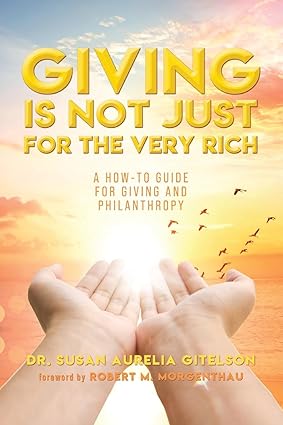
That’s perfectly okay! As the book Giving Is Not Just for the Very Rich teaches us, generosity isn’t about the size of the gift, but the size of the heart. In fact, the Evolution of Generosity in Society shows that people with modest means often give a higher percentage of their income than the wealthy. Focus on the non-monetary forms of giving: your time, your skills, your kind words. These gifts are priceless.
Doesn’t teaching kids to give take away from their own wants?
Not if it’s done in a balanced way. The three-jar system (save, spend, give) is perfect for this. It teaches them that they can have money for themselves and money to help others. It’s about creating a healthy balance, not sacrificing one for the other.
My older child (tween/teen) seems more focused on themselves. Is it too late?
It is absolutely not too late! The teenage brain is wired for social connection, and they have a strong sense of justice. Channel that! Talk to them about social issues they care about—climate change, racial justice, animal welfare. Help them find volunteer opportunities related to their passions. This connects generosity to their identity, which is very powerful at this age.
Your Journey to Raising a Generous Child
Teaching generosity is not about being perfect. It’s about being intentional. It’s about creating a home where kindness is noticed, talked about, and celebrated. It’s about showing your child, again and again, that they have the power to make the world a better place, one small act at a time.
You are helping your child write their own chapter in the long and beautiful history of philanthropy across cultures. It’s a story of ordinary people doing extraordinary things by simply caring for one another.
Your Turn to Act
Start today. Pick just one idea from this article.
- Tonight at dinner, ask everyone, “What was one kind thing you did for someone today?”
- This weekend, help your child make a card for someone who could use a smile.
- The next time you get your allowance or paycheck, put a small amount in a family “Give” jar with your child.
Every small step you take is a giant leap in your child’s understanding of what it means to be a good human. You’ve got this. And the world is waiting for their kindness.

0 Comments
Trackbacks/Pingbacks