

Teaching children how to care for others shapes the kind of adults they become. Philanthropy for kids is not about large donations or public recognition; instead, it is about learning to notice needs, respond with kindness, and take part in improving the world in small, steady ways.
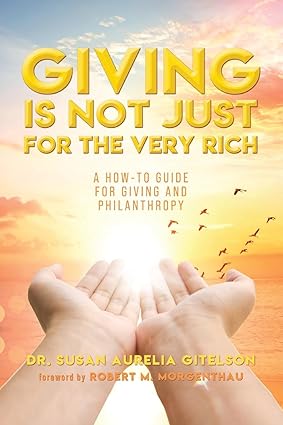
Susan Aurelia Gitelson’s book Giving Is Not Just for the Very Rich reminds readers that generosity belongs to everyone, including children, and that habits of giving often begin early in life.
When children learn to give, they learn responsibility, empathy, and purpose. These lessons stay with them as they grow. In a time when many families feel overwhelmed by daily pressures, teaching generosity helps children look beyond themselves and see how their actions matter. Philanthropy, at its heart, becomes a life skill. So, explore the details of philanthropy for kids now.
Why Teaching Giving Early Matters
Childhood is a formative season. During this time, important values that are absorbed and taught early often guide decisions later in life. When children are introduced to generosity and kindness at an early age, they learn that helping others is a normal part of living. It ensures that children understand that showing kindness and generosity is equivalent to caring for others who are outside their inner circle and family dynamics.
Children who participate in acts of giving develop stronger emotional awareness and social confidence. They learn how to listen, cooperate, and respond thoughtfully. Over time, these skills contribute to healthier relationships and a stronger sense of belonging.
Susan Gitelson emphasizes that giving is not tied to wealth and money alone. Time, attention, creativity, and effort are all meaningful contributions. Teaching this truth early removes fear and replaces it with confidence.
What Philanthropy Looks Like for Children
Philanthropy for kids looks different from adult giving, and that is a strength. It is a hands-on, personal, and often joyful experience for young children learning the value of sharing or giving to others. Simple actions help children understand their role in a larger community. Even if it looks insignificant, it is not.
These kids remember the feeling of helping others, as well as understanding that the little things they do can help adults achieve bigger roles and meet greater expectations.
Through the children’s charity, kids discover that even small efforts create real impact. Donating toys to other kids, helping neighbors pick up litter, or writing encouraging notes allows them to see generosity in action. These experiences build trust in their own ability to help.
Children do not need complex explanations. They need examples, repetition, and encouragement from adults. Over time, giving becomes part of how they see themselves.
Practical Ways to Teach Philanthropy at Home
1. Start With Everyday Conversations
Children learn values through daily dialogue. Talking about kindness, fairness, and gratitude during ordinary moments helps connect giving to real life. When parents explain why helping matters, children begin to see generosity as meaningful rather than a forced task. So, these conversations shape how children interpret the world around them. Parents have to realize that the goal is being consistent in learning and understanding philanthropy.
2. Model Generosity in Action
In most cases, children watch more than they listen. They observe the happenings around them more than the words spoken. When adults volunteer, donate thoughtfully, or quietly help someone, children notice. These examples show that giving is a lived value that the kids can follow. As children observe generosity, they naturally begin to mirror it. Modeling creates trust and credibility.
3. Involve Children in Decisions
Let children help choose where to give time or resources, as this builds ownership and understanding. When kids participate in deciding how to help, they feel respected and empowered. These moments also teach critical thinking and empathy. Giving becomes a shared family practice. In these instances, the children realize that their input is valued and respected by their parents, other family members, and friends.
4. Encourage Hands-On Experiences
Direct involvement in projects and campaigns leaves a lasting impression. And so, activities like food drives, neighborhood and park cleanups, or care package projects allow children to connect effort with outcome. Through community service for kids, the young ones experience teamwork and purpose. These experiences often become cherished memories that reinforce values.
5. Use Stories to Teach Values
Stories make abstract ideas concrete and easy to imagine. Books, real-life examples, and family stories help children understand generosity in context. So, hearing how other people, especially adults, help others is the perfect example for children to witness and eventually follow. Stories inspire reflection and curiosity and reinforce moral lessons without pressure.
Teaching Giving Through Responsibility

Responsibility and generosity work together to show the extent to which philanthropy can positively change societies. When children learn to care for their belongings, commitments, and time, they become more aware of others’ needs.
Therefore, assigning age-appropriate responsibilities teaches accountability. For example, saving a portion of allowance for giving introduces intentional generosity. This approach supports youth giving by showing that generosity grows alongside maturity. Children learn that their choices carry weight and meaning.
Faith, Values, and Teaching Generosity
For families grounded in faith, giving becomes an expression of belief. Many traditions teach compassion, service, and care for others. These teachings provide a strong foundation for generosity.
Faith-based giving helps children see generosity as part of a larger purpose and calling. In a way, it connects actions to values and values to identity. When children understand giving as service, they develop humility and gratitude.
Susan Gitelson’s work highlights how giving strengthens both individuals and communities. Teaching this connection early helps children develop a balanced view of success and fulfillment. Moreover, giving fosters resilience and emotional strength that’s important for these growing kids.
Generosity in the Smallest Form
Philanthropy thrives in environments where it is practiced consistently and thoughtfully. Families that treat giving as a shared value create a culture of care. And when acts of kindness towards a neighbor, friend, colleague, or acquaintance are celebrated and recognized, it reinforces positive behavior as something children need to remember.
Reflecting on giving experiences helps children process what they learned. Eventually, generosity becomes woven into family identity—and into the child’s mind and attitude. This culture prepares children to engage thoughtfully with the world. They grow into adults who understand responsibility beyond themselves.
If you love learning about generosity and find Susan Aurelia Gitelson’s fantastic book, Giving Is Not Just for the Very Rich, a brilliant read, go on and grab a copy today. Start your philanthropy journey now!

0 Comments
Trackbacks/Pingbacks