

Photo by Sasha Matveeva
When we talk about the Types of Foundations in Philanthropy, we enter a world where generosity meets structure, turning compassion into sustainable Impact.
Foundations are the backbone of organized giving—they channel resources strategically, amplify social programs, and cultivate long-term change.
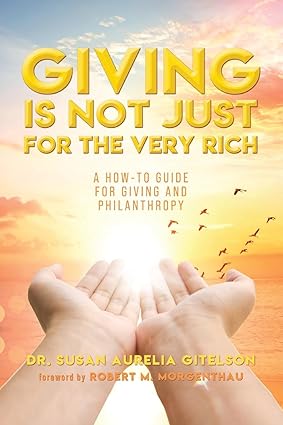
Inspired by Dr. Susan Aurelia Gitelson’s Giving Is Not Just for the Very Rich, this discussion dives deep into how different foundations function and why understanding their role is vital for any aspiring philanthropist.
In the context of the book and this article, Types of Foundations in
Philanthropy: Understanding Their Role reminds us that giving should be intentional, informed, and inclusive. Whether through corporate entities, family-run endowments, or community initiatives, foundations empower individuals to participate in solving society’s most pressing challenges.
The Foundation of Giving: Why Structure Matters
Gitelson explains that meaningful philanthropy requires both heart and structure. Foundations provide the legal, financial, and organizational framework necessary to ensure that every donation—no matter the size—reaches its intended goal.
This definition highlights the fact that philanthropy thrives on both purpose and accountability. According to her, a foundation is a “non-government entity established as a nonprofit corporation or charitable trust with the purpose of making grants to organizations, institutions, or individuals for scientific, educational, cultural, religious, or other charitable purposes.”
Without these structures, giving can become fragmented or ineffective. By understanding the Types of Foundations in Philanthropy, donors can align their intentions with the most effective vehicle for social good.
Private Foundations: Legacy Giving at Its Core
A private foundation is often created by an individual, family, or corporation. These entities fund their own charitable activities or issue grants to other nonprofit organizations. Gitelson notes that this type of foundation is best suited for those with substantial resources—often contributing at least $1 million a year—to manage administrative and legal responsibilities.
Private foundations serve as long-term vehicles for legacy and influence. Examples like the Ford Foundation or the Rockefeller Foundation demonstrate how family wealth can be transformed into a force for global good. Yet, Gitelson insists that one need not be a billionaire to emulate their Impact. Small private foundations can focus on local needs—scholarships, community centers, or disaster relief—making personal philanthropy as meaningful as large-scale giving.
Public Foundations: A Collective Effort for the Common Good
The financing sources used by public and private foundations are different. These organizations are supported by a variety of people, businesses, and governmental entities rather than just one contributor.
Gitelson’s main thesis—that generosity is not exclusive for the wealthy—is reflected in their inclusive giving strategy.
Public foundations generate collective impact through the pooling of lesser contributions. They serve as illustrations of how regular individuals can contribute to the solution of systemic issues like poverty, educational disparities, and health emergencies by making little but regular contributions. The Giving USA Foundation, for instance, compiles data that shows how even middle-income households contribute significantly to America’s philanthropic ecosystem.
If you wish to explore the different types of philanthropy foundations, public ones showcase the power of community-driven generosity.
Community Foundations: Local Change, Global Inspiration
Gitelson makes a lot of mention of community foundations, which are arguably the most approachable and successful types of planned giving. To support projects that directly benefit their communities or regions, they unite individuals, families, and corporations.
For example, the Cleveland Foundation, established in 1914, remains one of the largest community foundations in the U.S., with an endowment exceeding $1.8 billion. Similar organizations in Tulsa, New York, and Silicon Valley help donors design tax-deductible programs, invest in local projects, and measure the success of their impact.
These foundations allow everyday citizens to become philanthropists by connecting their personal values with local causes. They remind us that charity begins at home—but its effects can reach the world.
Operating Foundations: Doing the Work Directly
Unlike grant-making foundations, operating foundations directly manage their own programs rather than simply funding others. Gitelson describes these as entities that provide charitable services themselves, deducting up to 50% of adjusted gross income.
This type of foundation is perfect for those who want hands-on involvement. For instance, a health-based foundation might run a hospital, or an educational foundation might manage a scholarship program. These entities represent action-oriented philanthropy, combining funding with on-the-ground implementation.
Donor-Advised Funds: A Modern Philanthropic Tool
Donor-advised funds (DAFs) are presented in Gitelson’s appendix as a substitute for conventional foundations. They preserve advisory rights over the allocation of funds while enabling contributors to enjoy instant tax benefits.
These funds, often offered through community foundations or investment firms like Fidelity and Schwab, democratize philanthropy—making structured giving accessible to donors without massive wealth.
DAFs act as “foundations without administrative costs,” helping donors focus more on Impact and less on bureaucracy.
Charitable Trusts: Merging Family Legacy and Giving
A charitable trust is another structured way to sustain giving across generations. Gitelson describes two main kinds: charitable lead trusts (where the charity benefits first) and charitable remainder trusts (where heirs benefit first, then the charity).
Charitable trusts ensure that philanthropy continues beyond one’s lifetime, balancing family inheritance with societal contribution. This structure aligns closely with Gitelson’s message of passing down values, not just wealth.
Evaluating Foundations and Ensuring Impact
Not all organizations are created equal, Gitelson warns. Donors need to be on the lookout for the more than 1.2 million charitable foundations in the United States.
She advises funders to investigate nonprofits and evaluate program results, leadership, and transparency via watchdog platforms. This careful analysis guarantees that money actually gets to where it’s supposed to go, which is a key tenet of Giving Is Not Just for the Very Rich.
Donors who practice due diligence turn philanthropy from acts of kindness into calculated social investments.
The Role of Philanthropic Entities in Modern Society
Foundations today act as bridges between passion and purpose. From grant-making foundations funding global development projects to charitable trusts ensuring continuity of giving, these entities shape the moral and economic fabric of society.
As Gitelson and other experts, like Indeed’s guide on charitable foundations, affirm, these structures enhance accountability and sustainability in giving. They promote a model where Impact is measurable, leadership is responsible, and generosity is inclusive.
Philanthropic entities also collaborate with nonprofit organizations to amplify their reach—creating partnerships that blend expertise with funding. This synergy ensures that social challenges, from education to climate change, are addressed comprehensively.
The Future of Foundations: From Wealth to Wisdom
The future of philanthropy depends not on how much one can give, but on how and why one gives. Foundations are evolving from rigid structures to adaptive systems that incorporate innovation, technology, and community participation.
Gitelson envisions a future where philanthropy embraces inclusivity—where people of all backgrounds contribute ideas, skills, and funds to shape a better world. She calls on everyone, not just the elite, to find joy and fulfillment in giving.

Conclusion: Everyone Has a Role to Play
In Giving Is Not Just for the Very Rich, Dr. Susan Aurelia Gitelson reminds us that philanthropy is a shared human duty. Foundations—whether private, public, or community-based—exist to make giving more effective and enduring.
By understanding the Types of Foundations in Philanthropy, individuals can transform good intentions into real Impact, ensuring that generosity remains both personal and powerful.
If you’re ready to take the next step toward thoughtful giving and want to learn more about practical, inclusive philanthropy, grab a copy of Giving Is Not Just for the Very Rich by Dr. Susan Aurelia Gitelson. Let this book inspire your journey toward meaningful, lifelong generosity.

0 Comments