
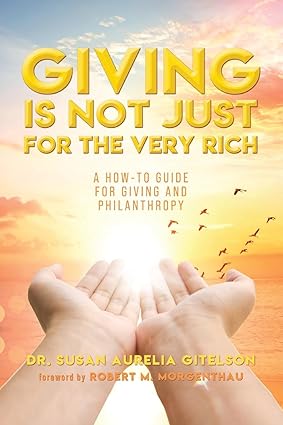

Community outreach, depicting ethical giving and philanthropy | Photo by tribesh kayastha on Unsplash
In her book, “Giving Is Not Just for the Very Rich,” Dr. Susan Aurelia Gitelson emphasizes that anyone, regardless of wealth, can engage in meaningful philanthropy. The book shows us how giving fosters a sense of purpose and connection with valuable causes. Get a copy now to learn practical advice on ethical giving and philanthropy. Find creative ideas and examples from affluent donors, visionary givers, social entrepreneurs, celebrities, government officials, nonprofit professionals, volunteers, and social media networkers.
Understanding Ethical Giving
Philanthropy is not limited to contributing money—it also refers to the practice of giving time, expertise, and other resources aside from material things. Ethical giving prioritizes values, such as transparency, accountability, and sustainability. In modern philanthropy, ethical giving ensures that donations create meaningful, long-term benefits for the benefactors instead of short-term fixes. Ethical philanthropy involves thoughtful decision-making to optimize positive impact and minimize harm.
In traditional charity, only the immediate needs are focused. Here’s where ethical charity makes a difference: it emphasizes systemic change. While traditional charity might provide food to those in need, ethical philanthropy seeks to address the root causes of hunger, such as poverty or lack of access to education. This approach fosters empowerment by encouraging individuals and communities to become self-sufficient over time.
Key Principles of Ethical Giving and Philanthropy
Ethical charity ensures that donations and philanthropic efforts are genuinely beneficial, equitable, and sustainable. Governing the system of ethical giving are the following key principles:
Transparency and Accountability
Donors have the right to know how their contributions are handled and delivered to the intended communities or individuals, and how their contributions made an impact. This is why charities and organizations must openly share financial records and project outcomes, including operational details, to build trust.
If you’re planning to become a donor, it’s best to choose nonprofits that provide detailed reports and performance metrics. The principle of accountability binds organizations to remain committed to their promises of using funds effectively.
Sustainability
Responsible giving focuses on long-term and self-reliant solutions. It works by offering sustainable projects that aim to empower communities to thrive independently. In ethical giving, communities are given funds for agricultural training or infrastructure development to help them thrive on their own. Therefore, ethical giving and philanthropy means giving opportunities, not just tending to immediate needs, like food, clothing, and shelter.
Respecting the Local Culture
It’s important to consider the values, traditions, and practices of communities being helped. Believing that external perspectives are superior undermines local efforts and erodes trust. Thus, it’s ideal for donors to research local charities and leaders to co-create solutions that effectively align with the community’s needs and culture. Ethical giving and philanthropy is culturally sensitive.
Making Ethical Giving a Habit

Ethical charity is a lifetime commitment that should be practiced as a habit. It is a lifestyle that offers mutual benefit for both the giver and receiver. As ethical philanthropy enriches the donor, so does it create a lasting change for the benefactor.
Here’s how you can make it a habit:
Setting Giving Goals
The first step to making ethical giving a lifetime commitment is to reflect on your values and causes. Tap into your inner truth and look at what you’ve observed around you. Open your hearts as you see the needs of the people. Do you aim to support education? Would you like to empower marginalized communities to thrive on their own? Think about what difference you want to make.
Incorporating Ethical Giving in Your Daily Life
You don’t have to have large sums of money or make formal donations to be an ethical philanthropist. Integrating every small act of meaningful giving into your daily routine already means a lot. You can find opportunities to give within your community or workplace.
At the Community Level
Volunteer your time to assist with outreach programs, like helping out in distributing food or assisting with educational workshops. You may also offer your skills, especially when the organization is looking for a subject-matter expert on any aspect to be tackled. In addition, ethical giving and philanthropy can also mean supporting small businesses that reinvest profits into community development.
At the Workplace
In the workplace, engage in Corporate Social Responsibility (CSR) initiatives by donating, volunteering, or organizing events. Leverage your professional skills to support nonprofits, such as designing promotional materials. Inspire colleagues to participate by hosting fundraisers, organizing donation drives, or planning team volunteer activities, fostering a collective culture of giving.
Support UPLIFT
Urban People Living in Faith & Trust (UPLIFT) is a charity organization that offers ethical philanthropy by providing opportunities for the communities in need by helping them improve their community equity, and help the homeless advance in academics. Every sold copy of Giving Is Not Just for the Very Rich by Susan Aurelia Gitelson will help the homeless people in San Diego, California.

0 Comments