

A hand underwater with a “spread love” wrist band, reaching out to the blue | Photo by Marcos Paulo Prado on Unsplash
As a budding philanthropist, it is important to research charities and avoid scams so you know that your money actually goes into the right hands.
As a philanthropist, you must research charities and avoid scams. Giving back to the needy through charitable organizations allows you to feel fulfillment as you help people stand back up from the life hurdles they are currently experiencing. However, giving is not enough as there are sketchy organizations that will use your money for their own benefits.
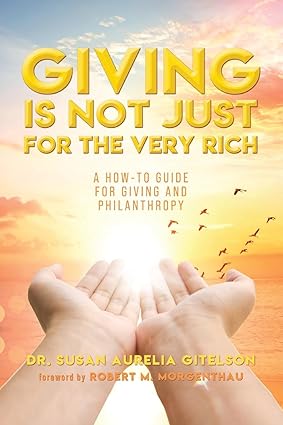
Susan Aurelia Gitelson’s Giving is Not Just for the Very Rich is an easy-to-use guide to ethical giving and philanthropy. It provides a donor with creative ideas on how to reap the many benefits of giving. This book helps philanthropists find the right charity to connect with through several areas that also support one’s advocacy. With this, as a donor, you will know where your money goes, seeing the results of your philanthropy.
It is important to research charities and avoid scams. If you are a budding philanthropist with an advocacy, the first thing you would want to do is look for charitable organizations that support your ideas. There are several organizations in the United States that help people who are in desperate need. You have to identify which sector to support, such as religion, education, arts, sports, humanities, health, animals, diseases, or movements.
Charity Scammers Exist
However, scammers may also pose as charitable organizations that will actively use your money for personal benefits. Charity scammers may ask for donations through email, on the phone, by mail, through the internet, or in person. They can appear legitimate when they know you have no idea where your money will go. When your goal is to reach out and give help, it is important to research charities and avoid scams.
How Does One Research Charities and Avoid Scams?
Philanthropy author Susan Aurelia Gitelson dedicates her book Giving is Not Just for the Very Rich to giving ideas on how one can properly help people under several sectors in the community. Susan is a philanthropist herself. She supports UPLIFT San Diego, a charitable organization that helps homeless people and low-income students. The proceeds of her book go to the organization.
So, how does one research charities and avoid scams?
Search the Organization Online
One of the fastest ways to get to know the organization in question is to search it online. The internet contains numerous databases that should allow you to get to know the charitable organization you want to connect with. It is always wise to get to know the organization first before giving yourself into it. You must learn that your donations can really get to the people you want to help.
Use a Charity Evaluator
Another way to research charities and avoid scams is to use a charity evaluator. Susan Aurelia Gitelson’s Giving is Not Just for the Very Rich has a list of legitimate charitable organizations that you can support. Nevertheless, if a charity comes up to you, you may also refer to a charity evaluator online. Charity evaluators help you navigate through databases, giving you an idea of whether the charity is legit or not through its activity in the community.
Look for the Charity’s Name
When a charity comes up to you and asks for donations, you must double-check their name online and learn about their activities. You can always look their names up and see if they have been providing for the needy. If you feel like the organization is sketchy, you may find the organization with “scam” or “illegal” attached to their names in the search results poll.
Know Where Your Donations Go
The organization you support should follow the ethical guidelines for charitable contributions. You must research charities and avoid scams. One thing to do is to make sure you know where your donations go. So, what is the cause or advocacy of the charity you support? Does the charity really help the people? Are your donations really provided to the people you want to help?

People preparing food donations | Photo by Joel Muniz on Unsplash
Learn About the Charity’s Registration
Knowing a charitable organization is registered will give you an idea that donations are actively circulating. How to spot charity scams? A charity that is not registered can be considered a scam as it is operating illegally. You can check the Secretary of State’s and the IRS’s websites to learn if a charity is legitimately operating.
Look Out for Scams by Documenting
Every time you give donations, you must write it down for documentation. With this, you can trace where your donation goes. Each document should let you know some activities that will bring in ideas that your donations have helped people in need. Your documentation will also let you know if there are fraudulent activities happening because scams will always ask for money even though you’ve already given something.
If you need assistance knowing that your donations will go to the people you aim to help, you can always get Susan Aurelia Gitelson’s Giving is Not Just for the Rich. The book has a list of legitimate organizations that should let you know your donations are helping real people.
FINAL THOUGHTS
It is always important to research charities and avoid scams so your donations do not go to waste. In order for you to know you are not supporting a charitable organization, you must search the organization online, verify it through a charity evaluator, learn about the charity, know where your donations go, learn about the charity’s registration, and document your donations.

0 Comments
Trackbacks/Pingbacks