

A well-known and influential celebrity donated millions to charity? Or how about a singer who gave thousands to a partner organization focused on helping children? Stories about celebrities who give back continue to capture public attention because they show how influence can support real, genuine change.
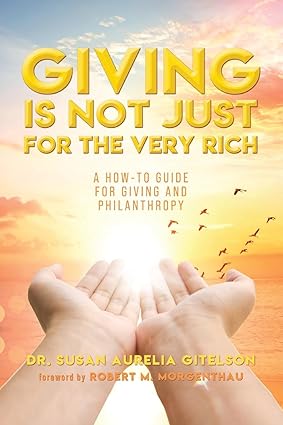
Public figures often hold powerful platforms, yet the most meaningful impact comes from how that visibility supports long-term causes and advocacies. Susan Aurelia Gitelson’s brilliant book Giving Is Not Just for the Very Rich reinforces a clear idea: philanthropy is not reserved for wealth alone. Instead, giving becomes effective and crucial when intention, planning, and commitment guide the actions done by ordinary people.
This article explores how well-known individuals use time, resources, and influence to support communities. From this standpoint, different people are inspired by celebrities to consider giving back to others.
Why Celebrity Philanthropy Resonates with the Public
Whether actors or singers, celebrities reach audiences across borders and cultures. So when public figures support a cause or project, awareness grows quickly like wildfire. For instance, campaigns endorsed (through social media platforms or print form) by recognizable figures often have increased donations during peak exposure periods. However, attention alone does not create change. Consistency and accountability determine whether support leads to lasting results.
In the book, Gitelson explains that visibility works best when paired with thoughtful, well-executed planning and measurable, visible outcomes. High-profile examples often spark interest from outsiders and fans, but sustainable programs depend on structure and long-term commitment from different people.
How Public Influence Becomes Purposeful Action
While others tend to ignore or discredit notoriety in the industry, it actually creates access to networks, funding channels, and the larger media. Purposeful philanthropy turns that access into service. As many public figures focus on education, health, disaster relief, and social equity, these areas align with long-term community needs rather than short-term recognition and relief. A deeper sense of responsibility and care can be reflected among the people because of these deeds or projects.
Eight Celebrities Known for Meaningful Philanthropy
1. Oprah Winfrey
Over the decades, renowned host and television producer Oprah Winfrey supported education and youth development projects and programs. Her initiatives include providing scholarships, leadership academies, and literacy programs across several countries. For example, the Oprah Winfrey Leadership Academy for Girls in South Africa focuses on long-term educational outcomes for young women. This approach reflects strategic philanthropy rooted in empowerment and sustainability.
2. Bill Gates
Through the Bill & Melinda Gates Foundation, Bill Gates has directed billions toward global health, education, and poverty reduction. The foundation has been known to support vaccine development, disease prevention, and education reform. And through these efforts, the initiatives have contributed to the significant reduction of malaria and polio cases worldwide. These efforts show how data-driven philanthropy produces measurable outcomes.
3. Angelina Jolie
Perhaps one of the most recognized faces when it comes to charitable works and advocacies is Angelina Jolie. She has worked extensively with refugee and humanitarian organizations through the years. As a former UNHCR Special Envoy, Jolie has visited crisis zones to advocate for displaced populations. Moreover, her work focuses on awareness, policy advocacy, and direct support. This commitment demonstrates how celebrity charity work can elevate underreported global issues.
4. Leonardo DiCaprio
The debonair Leonardo DiCaprio established a foundation dedicated to environmental conservation. The said organization has supported climate research, wildlife protection, and sustainable development over the years. As for DiCaprio, he uses public platforms and media to highlight environmental risks and promote policy action. Environmental philanthropy often requires long timelines, making sustained advocacy critical.
5. Dolly Parton
More than being a rock star and an icon, Dolly Parton has been providing books to hundreds of children through the years. Dolly Parton’s Imagination Library provides free books to children from birth to age five. The program operates in multiple countries and has distributed hundreds of millions of books. These focused initiatives have created measurable benefits for the young ones—especially those who are fond of reading.
6. Michael J. Fox
Actor Michael J. Fox founded a research organization dedicated to Parkinson’s disease after sharing his diagnosis publicly. Hence, the foundation funds scientific research, patient support, and policy advocacy. Transparency and lived experience have strengthened public trust and engagement. This model highlights philanthropy rooted in personal motivation and evidence-based action.
7. Bono
Like his superstar charisma and powerful voice, Bono has been a long-time advocate for a couple of causes. He has championed global poverty reduction, debt relief, and HIV/AIDS awareness. Through organizations like ONE and RED, Bono combines consumer engagement with policy advocacy. These initiatives demonstrate how influence can support systemic change rather than isolated donations.
8. Rihanna
Rihanna’s Clara Lionel Foundation supports education and emergency response programs worldwide. The foundation funds scholarships and disaster relief efforts, particularly in underserved regions. Youth education remains a core focus, reflecting long-term investment rather than short-term relief.
Trust, Transparency, and Accountability

Volunteers packing donated clothes | Image Source: Pexels
Philanthropy depends on trust between givers, receivers, and volunteers. Public figures who share goals, outcomes, and financial transparency build stronger credibility. Donors and supporters respond positively when impact is documented.
High-profile philanthropists often show their support for organizations associated with transparent leadership. The higher long-term support ensures continuation of projects with clear goals at the end. In the book, Gitelson outlines evaluation methods that include leadership review, financial accountability, and program effectiveness. This is useful for new philanthropists learning the ropes and choosing organizations they want to help.
Measuring Social Impact Beyond Headlines
The media often highlights donation amounts, yet impact depends on outcomes. Effective philanthropy tracks progress through education rates, health improvements, or community development indicators. This approach aligns with the concept of social impact, which focuses on results and improvements.
For example, literacy programs measure reading proficiency and retention. Health initiatives track disease reduction and access to care. Data-driven evaluation ensures resources support meaningful change.
Be Inspired to Give Back
Celebrity examples demonstrate scale and the ability to share and care for others. Purposeful giving begins with identifying causes aligned with personal values. Time, skills, advocacy, and consistent involvement matter as much as financial contributions.
Giving Is Not Just for the Very Rich encourages readers to view philanthropy as an ongoing practice shaped by intention and learning. It serves as an inspiration to be more than what the world has offered. Volunteering, supporting local initiatives, or learning how to evaluate charities represent meaningful next steps. Purposeful action, regardless of scale, strengthens communities and creates lasting change. Learn more about Susan’s book today.
FAQ: Your Questions About Giving Back
Q: I’m not rich. Can I really be a philanthropist?
A: Absolutely. As Susan Aurelia Gitelson’s book title Giving Is Not Just for the Very Rich suggests, philanthropy is for everyone. It’s not about the size of the gift, but the intention and thought behind it. Donating your time, skills, or even a small, regular financial contribution can have a significant impact.
Q: How can I find a cause I’m passionate about?
A: Start by looking at your own life and values. What issues move you emotionally? Is it education, animal welfare, environmental protection, or food security? The best philanthropy is sustainable because it’s connected to what you genuinely care about.
Q: How do I know if a charity is trustworthy?
A: Research is key. Look for transparency on their website regarding their mission, programs, and finances. You can also use charity watchdog websites that evaluate organizations based on financial health, accountability, and transparency. Look for clear reporting on their impact—what they have actually achieved with their funds.
Q: What if I don’t have money to give?
A: Your time and skills are invaluable. Volunteering at a local shelter, food bank, or school is a direct form of giving back. You can also offer pro-bono professional skills, like helping a small non-profit with their website, marketing, or accounting. Advocacy—simply using your voice to raise awareness for a cause—is another powerful tool.
Conclusion: The Ripple Effect of Purposeful Giving
Celebrity examples show us the power of giving on a grand scale, but the core lesson is universal: purposeful giving begins with identifying causes aligned with personal values. Time, skills, advocacy, and consistent involvement matter as much as financial contributions. Whether you’re a global star or a local volunteer, the act of giving creates a ripple effect, strengthening communities and inspiring others to do the same.
Call to Action: Start Your Own Legacy of Giving
You don’t need a foundation or a fortune to make a difference. You just need the will to start.
Inspired by the stories of these celebrities and the empowering message of Giving Is Not Just for the Very Rich, take your own first step today.
- Identify a cause you care about.
- Research a local or global organization working on that issue.
- Take action: make a donation, volunteer your time, or simply use your voice to share their work.
Learn more about how you can create lasting change. [Click here to explore Susan Aurelia Gitelson’s book today and begin your journey into purposeful giving.

0 Comments
Trackbacks/Pingbacks