

Many people—ordinary citizens, philanthropic individuals, and well-established personalities—search for companies with strong philanthropy programs because they want to support businesses that care more about the community than profit. And so, consumers, employees, and even investors increasingly value ethical leadership and meaningful community involvement.
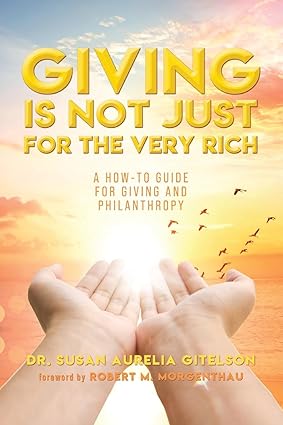
Susan Aurelia Gitelson’s book Giving Is Not Just for the Very Rich explains that giving is for anyone with the capacity and willingness to offer and share a piece of themselves and their efforts. Whether you are part of an institution or corporation, you can make a difference.
In this article, companies, organizations, or groups are the main topic, with them carrying responsibilities to contribute to the common good. Strong corporate philanthropy reflects intention, structure, and measurable outcomes. Their thoughtful giving can be recollected by their subordinates and leaders.
Why Corporate Philanthropy Matters

Charity work for others | Image Source: Pexels
Corporate philanthropy impacts different communities and people at scale. These institutions contribute millions of dollars annually to education, health, disaster relief, and environmental protection, which have positively benefited hundreds of people and groups. Although individual donors represent the largest share of total giving, corporate contributions remain essential for infrastructure and long-term initiatives.
Businesses that invest in corporate social impact plans and goals build trust and brand loyalty. Besides employees reporting higher satisfaction from their leaders’ commitment, customers are attracted to brands that show ethical values. The support from both sides is a gain for the company or business.
Gitelson shares and emphasizes that structured and informed giving increases effectiveness. Organizations must research causes carefully, evaluate impact, and commit to transparency for the company to be seen as a relevant team in the industry.
Five Companies Recognized for Strong Philanthropy Programs
1. Microsoft
Tech giant Microsoft has maintained a long-standing commitment to providing education opportunities, digital access, and community development. Through Microsoft Philanthropies and the Microsoft Foundation, the company donates technology, grants, and volunteer hours worldwide for various areas and people. Its initiatives focus on digital literacy, workforce development, and access to affordable technology.
Moreover, the company also encourages employee participation through matching gift programs and volunteer grants. This approach integrates philanthropic attitudes and habits into workplace culture rather than limiting them to executive decisions. In a way, it’s a simple process of giving back to the community. As Microsoft aligns philanthropic values with its core objectives, the company demonstrates how strategic giving can expand reach and efficiency.
2. Salesforce
Salesforce pioneered the “1-1-1 model,” which dedicates one percent of equity, one percent of product, and one percent of employee time to charitable activities, processes, or goals. Its specific model integrates philanthropy directly into its business operations, which has supported hundreds of nonprofit organizations over the years.
Through grants, technology donations, and volunteerism, Salesforce strengthens schools, workforce training programs, and community health services. Its structured business charity work emphasizes long-term partnerships and collaborations with varied teams, people, organizations, and personalities. Additionally, the company also supports equality initiatives and environmental sustainability programs, which illustrate its overall dedication to the betterment of society.
3. Google
Google.org functions as the company’s philanthropic arm. It invests in education, crisis response, and economic opportunity, all of which help communities. Moreover, grants and data-driven projects support nonprofits addressing global poverty and workforce development.
With Google encouraging employee involvement through volunteer days and skills-based service, the staff members contribute technical expertise to nonprofit organizations, which expands positive impact. This collaborative model and procedure strengthen community partnerships.
Furthermore, the company also publishes detailed impact assessments. This transparent nature guarantees stakeholders that the organization is doing its best.
4. Johnson & Johnson
Multinational corporation Johnson & Johnson focuses heavily on global health initiatives. It has programs that support maternal health, disease prevention, and access to medical care in underserved regions. In particular, the company partners with other nonprofit organizations and government-run groups to improve healthcare infrastructure.
Through volunteer medical programs and grant making, Johnson & Johnson extends services beyond traditional business activities. These efforts demonstrate responsibility in industries directly connected to public well-being.
Incredibly, the company’s long-term global health strategies illustrate how philanthropic companies can align mission with expertise. What stakeholders appreciate about this corporation is that its consistent reporting reinforces credibility and accountability.
5. Patagonia
Outdoor clothing designer Patagonia reserves one percent of sales to environmental causes. This incredible commitment has remained steady for decades, with the company encouraging activism and sustainable production practices.
Unlike short-term promotional campaigns, Patagonia integrates philanthropy into its brand identity by making sure its materials align with its core values and goals. Its environmental protection endeavors reflect both corporate values and consumer expectations.
By investing in grassroots environmental organizations, Patagonia demonstrates how focused giving can support measurable environmental improvements. This approach represents strong CSR strategies grounded in purpose and dedication.
Common Traits of Effective Corporate Philanthropy
Strong philanthropy programs share consistent characteristics, mindsets, and objectives. First, leadership commitment ensures continuity through endorsements and reinforcement. Second, the level of transparency builds trust between the organization and its stakeholders. Public reporting allows evaluation and informed engagement.
Third, alignment between business expertise and charitable focus strengthens impact by providing support to specific areas or people. Finally, employee participation enhances authenticity as volunteer programs showcase the camaraderie between different personalities focused on a goal.
How Corporate Giving Benefits Communities
Corporate philanthropy supports local schools, healthcare centers, disaster recovery programs, and workforce enterprises. In later results, communities receiving sustained corporate support often show improved educational outcomes and expanded job opportunities. When help is available, growth is possible.
In many instances, businesses provide infrastructure, logistics, and funding, while nonprofits deliver direct services. This collaboration amplifies measurable outcomes. The partnership has a positive effect that brings positivity and strength to the people. Moreover, the simple joint effort can inspire others to step out of their comfort zones. This multiplier effect reflects the broader influence of visible generosity.
Engaging with Companies
Choosing to be kind and caring is something that anyone can do. And for huge corporations, it can be an unexpected thing, especially when their focus is on other activities or things. But there are companies that display a different level of dedication to nonprofit means or projects. For people looking to be part of industries that help uplift communities, it is an opportunity of a lifetime.
And so, if you are interested in learning about philanthropic topics and procedures, you will find Susan Aurelia Gitelson’s book an essential read. Searching for companies with strong philanthropy programs reflects growing interest in ethical commerce. Giving Is Not Just for the Very Rich reinforces that institutions, like individuals, possess the capacity to contribute meaningfully. Grab a copy today!
Frequently Asked Questions (FAQ)
1. How can I find out if a company has a strong philanthropy program?
Start by visiting the company’s official website. Look for sections titled “Social Responsibility,” “Community Impact,” “Philanthropy,” or “ESG (Environmental, Social, and Governance) Report.” These areas typically outline their giving strategies, partnerships, and impact metrics. You can also review their annual report and follow their social media channels for updates on their initiatives.
2. Do companies only give money, or are there other types of contributions?
Corporate philanthropy extends far beyond cash donations. Many companies offer in-kind contributions such as technology, products, or services. They also facilitate employee volunteerism, provide pro-bono consulting, offer matching gift programs for employee donations, and form long-term partnerships with nonprofits to tackle complex social issues.
3. How does corporate philanthropy benefit the companies themselves?
While the primary goal is to help communities, strategic philanthropy also benefits businesses. It builds brand trust and customer loyalty, boosts employee morale and retention, attracts socially conscious investors, and can even foster innovation by applying business expertise to social challenges.
4. Can small businesses also have effective philanthropy programs?
Absolutely. Philanthropy is not just for large corporations. Small businesses can have a profound local impact by sponsoring a youth sports team, donating a percentage of sales to a local food bank, or giving employees paid time off to volunteer. The key is authenticity and commitment to a cause that aligns with their values and community.
5. What is the “1-1-1 model” mentioned in the article?
The 1-1-1 model is a philanthropic framework pioneered by Salesforce. It commits companies to contribute 1% of their equity (often through a corporate foundation), 1% of their product (by donating licenses or services to nonprofits), and 1% of their employees’ time (through paid volunteer hours) to support communities and charitable causes.
Conclusion: The Power of Purpose-Driven Enterprise
The search for companies with strong philanthropy programs signifies a powerful shift in our global economy. It reflects a collective desire to support organizations that recognize their role as community partners and global citizens. As we’ve seen with leaders like Microsoft, Salesforce, Google, Johnson & Johnson, and Patagonia, impactful giving is not an afterthought but a core component of their identity and operations. They demonstrate that profit and purpose can coexist, creating a virtuous cycle that benefits their business, their people, and the world.
Philanthropy, whether practiced by an individual or a multinational corporation, is a profound expression of shared humanity. It is a testament to the belief that we all have a role to play in building a better future. The question is no longer if companies should give back, but how effectively they can do so.
Ready to Deepen Your Understanding of Giving?
If you are inspired by these examples and want to learn more about how you, your organization, or your company can create a meaningful philanthropic strategy, Dr. Susan Aurelia Gitelson’s book, Giving Is Not Just for the Very Rich, is your essential guide.
This book is a roadmap for anyone—from individual donors to corporate leaders who wants to give with intention, clarity, and impact. It reinforces the powerful message that institutions, like individuals, possess the immense capacity to contribute meaningfully to society.

0 Comments
Trackbacks/Pingbacks