

Interest in purposeful, meaningful careers that drive change in societies and communities continues to grow, especially among students and early professionals seeking work that creates real value for themselves and for others. And so, philanthropy internships play a crucial role for people choosing this path, as it connects learning with action.
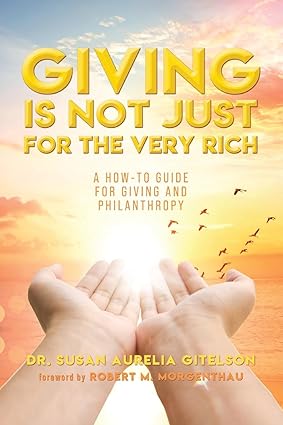
Within the first stages of exploration, these opportunities allow individuals to contribute to significant causes while gaining practical skills. Susan Aurelia Gitelson’s excellent book, Giving Is Not Just for the Very Rich, reinforces the central idea that active participation matters more than financial capacity. Experience, commitment, and thoughtful involvement shape effective giving for anyone willing to step up their giving game.
This guide explains how philanthropy internships work, why they matter, and how to secure hands-on roles that support long-term growth in the social sector.
Why Philanthropy Internships Matter
In simple terms, philanthropy internships and nonprofit internships serve as entry points into service-driven fields. When accepted, interns work inside organizations that address education, health, poverty, culture, and environmental needs. Unlike purely academic study and apprenticeship, internships create direct exposure to how missions in the organization operate day to day.
In many cases, professionals working in charitable institutions began with internships or volunteer roles before joining the nonprofit workforce. These early experiences build practical skills such as research, communication, project coordination, and evaluation. Gitelson, in her book, emphasizes that meaningful giving develops through involvement and not observation alone. Through these internships, an individual develops his or her appreciation for the overall work.
Moreover, internships also clarify career direction. Exposure to real challenges helps people decide whether long-term work in philanthropy aligns with personal values and strengths.
What Philanthropy Interns Actually Do
Responsibilities vary by organization and role. Some internships focus on program support, while others emphasize research or outreach. Additionally, typical tasks include assisting with grant research, coordinating events, supporting community programs, and analyzing impact data. There are many opportunities waiting for interns, depending on the organization’s focus and goals.
Hands-on experience and tasks build confidence and competence. For example, when volunteers assist with donor communications, it fosters clarity and accountability. Moreover, supporting program evaluation encourages analytical thinking among young people. These skills transfer across sectors and departments, including education, public policy, and social enterprise.
In the book, Gitelson highlights that active participation deepens awareness of social issues and personal priorities.
Six Practical Tips to Get Hands-On Experience
1. Clarify Personal Interests Early
Effective and close-to-the-heart internships begin with identifying a person’s focused areas, such as education, health, or community development. This step prevents mismatched placements that lead to frustrations, disengagement, and derision. A purpose-driven giving starts with reflecting on values and motivations. Clear interests guide better decisions and stronger commitment.
2. Research Organizations Before Applying
When looking for an organization, preparation matters. Volunteers have to review mission statements, annual reports, and program outcomes before sending applications. On the other hand, organizations value interns who understand their goals and challenges. Relationships built on trust and understanding last long.
3. Choose Nonprofit Internships
Once individuals choose nonprofit internships, they see a career in giving that encompasses simple growth and exposure. By selecting this track, they carve a road towards a life concentrated on making others’ lives better. Additionally, this type of internship allows interns to participate across multiple functions. This variety builds adaptable skills and practical insight.
4. Seeking Hands-on Experience
Tasks such as fieldwork, program coordination, or direct service build stronger skill development than observation-based roles, especially when it comes to volunteer work. Aside from helping a person’s confidence, the experience and engagement improve problem-solving skills and emotional capacity. Importantly, practical involvement supports long-term growth in service-oriented careers.
5. Entering a Career in Giving
Internships should align with an individual’s long-term goals. Each role builds transferable skills that support future opportunities in different areas of life. So, a person should maintain records of projects, outcomes, and lessons learned to help articulate the work experience. Intentional reflections strengthen a volunteer’s understanding of the work and the impact it has on the community.
6. Exploring Social Impact Internships
Many organizations use varied language for similar roles. Searching beyond “philanthropy” expands options and opens the world of giving back. And so, terms related to impact, sustainability, and community development often lead to meaningful placements. Broad searches increase access to diverse experiences across sectors.
Skills Developed Through Philanthropy Internships

Distribution food packs | Image Source: Pexels
Social impact internships build both technical and interpersonal skills. For instance, communication improves through writing reports, engaging stakeholders, and supporting outreach. Furthermore, analytical skills are developed through evaluation and research tasks. Teamwork grows through collaboration across departments. Nonprofit interns demonstrate higher adaptability and ethical awareness when it comes to this line of work.
How Internships Support Long-Term Impact
Even short-term roles can create long-term influence, especially for this career pathway. Interns often remain connected to organizations as volunteers, donors, or advocates after their months of work are complete. The connection is cemented by the time, effort, and conversations between different people. Early involvement fosters lifelong engagement with causes.
To further understand the impact, individuals who intern in charitable organizations are more likely to maintain giving and service habits later in life. The practices created during the time with the organization can be a stepping stone for better opportunities, whether in the same field or in another area. Additionally, the commitment to the work done can be reflected in how the interns interact and relate to life.
Transitioning from Internship to Opportunity
Many internships lead to future roles—in the same organization, in another institution, or in a different platform altogether. Organizations often hire interns who demonstrate reliability and initiative, particularly during the apprenticeship period. Even when positions are unavailable, recommendations and networks open doors elsewhere. This level of respect, admiration, and remembrance ensures that this workplace will cherish future philanthropists.
The opportunities from an internship with a well-established nonprofit organization can do good for anyone wanting to make changes for the community.
Finding a Direct Path to Purpose
Philanthropy internships create direct pathways into meaningful work. Giving Is Not Just for the Very Rich by Susan Aurelia Gitelson emphasizes that effective contribution begins with involvement. The goals set, the connections, and the willingness bring hope for a better world.
Those interested in purposeful careers are encouraged to research organizations, apply intentionally, and commit to learning through action. Hands-on experience builds skills, insight, and lasting connections to causes that matter. Learn more about this brilliantly great book today!

0 Comments
Trackbacks/Pingbacks