

Photo by sescoops
It is refreshing to be reminded of the real-life heroes who use their influence for something bigger than themselves in a world where wealth and celebrity frequently make the news.
Athletes Who Give Back stand out as shining examples of how power, recognition, and wealth can be used to make a lasting impact on others.
These athletes remind us that generosity isn’t confined to bank accounts—it’s about presence, advocacy, and creating opportunities where hope may seem lost.
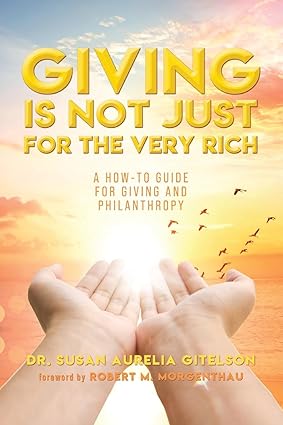
Among the best examples are John Cena, JJ Watt, and Athletes Who Give Back, who prove that compassion and leadership off the field matter as much as victories on it. Their actions are closely tied to the message in Susan Aurelia Gitelson’s book, “Giving Is Not Just for the Very Rich,” which demonstrates that philanthropy is not exclusive to billionaires. Instead, giving is something everyone—athletes, business leaders, and everyday people—can embrace to create meaningful change.
The True Meaning of Giving Back
When we think of giving back, extensive checks and multimillion-dollar foundations often come to mind. Yet Dr. Susan Aurelia Gitelson, in her book Giving Is Not Just for the Very Rich, reminds us that philanthropy is far more diverse than financial donations. It’s about investing time, skills, and influence to create ripples of positive change.
Athletes have a unique advantage in this realm. Their voices inspire audiences around the world, their platforms reach millions, and their presence has the power to transform the lives of those who most need encouragement. For instance, athlete-driven giving tends to feel more intimate and hands-on, whereas corporate philanthropy frequently operates through organized programs. When fans see their role models step beyond the game to support communities, it creates a powerful message: success is best measured by the lives you uplift.
The philosophy that giving is for everyone applies perfectly here. Ordinary people can make significant contributions by volunteering, mentoring, or supporting causes that are important to them, just as JJ Watt and John Cena have used their fame to inspire action.
John Cena – A Champion of Compassion
John Cena’s name is synonymous with wrestling and entertainment, but his most incredible legacy might not come from the ring. Cena is the top individual contributor in the history of the Make-A-Wish Foundation, granting more than 650 wishes to children battling life-threatening illnesses. For many of these children, meeting Cena isn’t just about shaking hands with a celebrity—it’s about hope, strength, and the joy of a moment that helps them fight through difficult times.
In contrast to monetary contributions, Cena’s gift consists of his presence, compassion, and time. This reflects the main takeaway from Giving Is Not Just for the Very Rich, which is that giving isn’t always a financial commitment. Giving, according to Dr. Gitelson, can take many forms, such as being there for people when they need you, encouraging them, or inspiring them with your influence. Cena embodies this truth every time he steps into a hospital room or welcomes a child into his world of larger-than-life charisma.
See how athletes give back to the community through Cena’s story—it’s a reminder that the most valuable thing we can share is ourselves. While others might measure success in trophies, Cena measures his in smiles and memories that last a lifetime.
JJ Watt – From the Field to Foundations
JJ Watt’s strength is action, whereas Cena’s is compassion. Watt is regarded as one of the NFL’s most effective defensive players, but his leadership off the field has also gained him recognition. Watt started a fundraising campaign in 2017 after Hurricane Harvey devastated Houston, with an initial target of $200,000. The reaction was tremendous. By the time the campaign ended, over $41 million had been raised, making it one of the most considerable crowd-sourced philanthropic efforts in history.
This massive relief effort is a perfect reflection of what Dr. Gitelson emphasizes: strategic giving. In Giving Is Not Just for the Very Rich, she explains that philanthropy should be thoughtful and aligned with urgent needs. Watt didn’t just donate money; he mobilized a community, leveraged his platform, and coordinated long-term recovery efforts that rebuilt homes, restored schools, and provided hope.
Beyond disaster relief, the JJ Watt Foundation also supports after-school athletic programs, giving children safe spaces to learn teamwork, discipline, and resilience. In this way, Watt demonstrates that giving has both immediate and long-term effects. His story reinforces the lesson that giving is most impactful when it directly addresses pressing needs while investing in the future.

Photo by whyy
Beyond the Spotlight – Other Athletes Who Give Back
While Cena and Watt stand out, they are far from alone. The world of sports is filled with stories of athletes who extend their influence far beyond their respective arenas.
LeBron James has invested in education through the I PROMISE School in Akron, Ohio, giving underprivileged children access to opportunities they may never have dreamed possible.
Serena Williams has championed gender equality and maternal health, utilizing her platform to advocate for women worldwide.
Cristiano Ronaldo has quietly donated millions to hospitals and children’s causes, demonstrating that even global superstars can prioritize philanthropy over personal luxuries.
These examples highlight the universality of giving, aligning perfectly with Gitelson’s philosophy. Athletes show us that wealth and fame are tools, not destinations. The real legacy comes in what you do with those tools.
For a broader perspective, this list of athletes who give back demonstrates the widespread impact of charitable work among athletes.
Lessons from Giving Is Not Just for the Very Rich
Dr. Gitelson’s book is more than a guide—it’s a call to action. Several lessons from her work connect directly to what we see from athletes like Cena, Watt, and others:
Everyone can give. You don’t need millions; you can give your time, skills, or advocacy.
Align giving with your values. Just as Watt focused on disaster recovery and youth programs, individuals should support causes they genuinely care about.
Fulfillment comes from giving. Both donors and recipients benefit when generosity is genuine.
Stories inspire action. Sharing examples of generosity motivates others to take the lead. This is why athlete philanthropy is so powerful—it normalizes giving at a massive scale.
These lessons show that athletes are not exceptions, but examples of what is possible when giving becomes a way of life.
Why Athlete Philanthropy Inspires Society
In addition to their abilities, athletes serve as role models for their decisions. They redefine what it means to be a champion when they commit themselves to philanthropy. Their deeds inspire admirers to view success as a shared duty rather than a singular accomplishment.
Giving brings happiness and fulfillment, as Dr. Gitelson reminds us. Athletes vividly demonstrate that point. Whether it’s LeBron investing in education, Watt rebuilding homes, or Cena making a child happy, their actions demonstrate that kindness creates enduring legacies that outlast any championship banner.
Taking Inspiration – How We Can All Give Back
It’s easy to assume that philanthropy is the domain of celebrities or corporations. But Giving Is Not Just for the Very Rich dismantles that belief. We can all give—whether by mentoring young people, volunteering in local charities, or supporting global causes through micro-donations.
The takeaway is simple: if athletes can balance demanding careers while making time to give, then each of us has the capacity to contribute in our own ways. What matters most is the willingness to act.
For a deeper look at how careers in philanthropy can evolve, you can also explore this complete guide to professional giving.
S
John Cena, JJ Watt, and countless other athletes remind us that greatness is measured not only in records and championships, but also in compassion, leadership, and generosity. Their stories echo the timeless wisdom of Dr. Susan Aurelia Gitelson: philanthropy is not a privilege of the wealthy, but a responsibility of everyone.
If athletes can inspire millions by giving back, then each of us can spark change in our communities. Whether through small acts of kindness or organized efforts, giving creates meaning and builds a legacy of hope.
To learn more about how generosity transforms lives, order a copy of Giving Is Not Just for the Very Rich by Susan Aurelia Gitelson. This enlightening piece shows how everyone has the ability to change things, whether they are athletes, professionals, or neighbors. Begin your path now and join a society where heroes are characterized by the lives they impact rather than just their triumphs.

0 Comments
Trackbacks/Pingbacks