

Photo by The Pueblo Chieftain
In a world where music often mirrors the struggles and triumphs of real life, few genres speak to resilience, community, and generosity quite like hip-hop.
Behind the fame and success, there exists a powerful truth—many of the world’s biggest rap icons are also Rappers Who Give Back, using their influence to empower the next generation, uplift communities, and inspire change where it matters most.
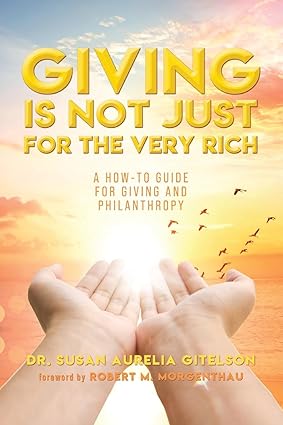
Philanthropy in hip-hop is more than just a trend; it’s a reflection of gratitude and social responsibility. This message closely echoes the ideas of Dr. Susan Aurelia Gitelson in her remarkable book Giving Is Not Just for the Very Rich. Her philosophy reminds us that giving is not limited to wealth—it’s a mindset. Anyone, regardless of income or status, can make a difference through compassion, creativity, and commitment.
And that’s exactly what these Snoop Dogg, Drake, and Other Rappers Giving Back stories demonstrate.
The True Spirit of Giving in Hip-Hop
Rappers are not only artists—they are storytellers who have turned pain into poetry and hardship into hope. Their stories, often rooted in struggle, become the foundation for their passion to give back. Rappers Who Give Back understand the weight of their influence and the responsibility that comes with success.
Dr. Gitelson writes that giving is a “universal human value,” one that transcends class or culture. The same idea comes alive in hip-hop philanthropy, where artists use their platforms to create tangible change.
From education programs and food drives to youth mentorship and scholarship foundations, these artists prove that generosity has no boundaries.
Snoop Dogg: From Rap Legend to Community Builder
Few names in hip-hop are as recognizable—or as generous—as Snoop Dogg. Beyond his smooth flow and laid-back persona, Snoop’s heart for his community runs deep. He has long been involved in rap charity work, focusing particularly on youth empowerment and sports mentorship.
One of his most impactful projects is the Snoop Youth Football League, which has provided thousands of children with structure, mentorship, and hope since 2005. Through this initiative, Snoop teaches not only discipline and teamwork but also life skills that extend far beyond the field.
In her book, Dr. Gitelson emphasizes that giving should start with what you know best—your strengths, your passion, and your resources. Snoop embodies this principle by combining his love for sports and mentorship to give back authentically. It’s not about writing checks; it’s about showing up, being present, and making real connections.
Drake: A Heart as Big as His Hits
Drake, one of today’s most influential artists, has turned hip-hop philanthropy into an art form. Known for his hit song “God’s Plan,” Drake’s generosity gained global attention when he gave away nearly $1 million during the song’s music video—paying tuition, donating to shelters, and funding families in need.
But Drake’s celebrity donations didn’t stop there. He has quietly supported food banks, funded school projects, and even covered hospital bills for fans in need. Drake’s giving nature proves that kindness can ripple far beyond the spotlight.
As Dr. Gitelson explains in Giving Is Not Just for the Very Rich, “philanthropy begins with awareness.” Drake’s approach—highlighting stories of real people and real struggles—helps millions see that giving is not distant or abstract. It’s deeply personal and immediate.
Jay-Z and Beyoncé: Building Bridges Through Empowerment
Jay-Z and Beyoncé stand as a power couple in both music and charity. Their efforts extend beyond rapper giving to tackling systemic issues. Jay-Z’s Shawn Carter Foundation offers scholarships and mentorships for underprivileged youth, while Beyoncé’s BeyGOOD Foundation focuses on education, disaster relief, and community rebuilding.
Dr. Gitelson often discusses strategic giving—the concept of using resources and networks to create sustainable impact. The Carters exemplify this. They don’t just donate; they design long-term programs that uplift communities and enable self-sufficiency.
Their story highlights a major theme from Gitelson’s book: giving isn’t only about generosity—it’s about empowerment. True philanthropy helps people build better lives for themselves.

Photo by andscape
Chance the Rapper: Investing in the Future of His City
When you talk about Rappers Who Give Back, Chance the Rapper’s name shines bright. Hailing from Chicago, he has poured millions into improving public schools and creating arts programs for students.
In 2017, he donated $1 million to Chicago Public Schools and continues to fund local nonprofits that provide mentorship and creative outlets for the youth. His nonprofit, SocialWorks, focuses on mental health, arts, and community engagement.
Chance’s mission reflects Dr. Gitelson’s belief that philanthropy is not about wealth—it’s about will. In Giving Is Not Just for the Very Rich, she encourages everyone to give within their means, whether through time, talent, or treasure. Chance gives all three.
From Hardship to Hope: Why Giving Back Matters
Many of these artists came from humble beginnings. Their experiences of struggle, discrimination, and limited opportunity shaped their empathy for those still facing similar challenges. Rappers Who Give Back do so not out of obligation but out of identification.
They know what it feels like to have little and to be overlooked. That’s why they pour into their communities with authenticity and understanding.
Dr. Gitelson’s message aligns beautifully with this truth. She urges readers to “start where you are, give what you can, and encourage others to do the same.” The hip-hop community embodies that philosophy—proving that giving is not about status, but about sincerity.
Hip-Hop as a Global Force for Good
Beyond the United States, hip-hop philanthropy has inspired global movements. Artists like Akon, who brought solar energy to hundreds of African villages, and Stormzy, who funds scholarships for Black students at Cambridge, demonstrate that the reach of hip-hop generosity knows no borders.
Their work highlights another of Dr. Gitelson’s insights: collaboration amplifies impact. When artists, corporations, and individuals come together, they can address deep-rooted social issues more effectively. Philanthropy, as she explains, thrives when diverse voices unite for a shared cause.
For more on this growing movement, check out this feature on global hip-hop stars making an impact.
The Ripple Effect: How Fans Are Getting Involved
Philanthropy in hip-hop has also inspired fans to take part in giving. Social media movements and fan-led fundraisers show that generosity can go viral. When fans see Rappers Who Give Back, they are reminded that their own actions—no matter how small—can spark positive change.
Dr. Gitelson describes this as democratized giving: making philanthropy accessible and engaging for everyone. Whether it’s donating a few dollars, volunteering time, or simply spreading awareness, these collective efforts multiply the power of good.
This approach connects perfectly with her principle that “each of us has a sphere of influence.” Hip-hop’s cultural reach magnifies that sphere beyond measure.
Celebrity Influence and Responsibility
While fame brings luxury, it also brings responsibility. Many rappers have learned to leverage their influence to uplift others, not just themselves. By supporting scholarships, disaster relief, and housing programs, they redefine what success looks like in hip-hop.
In Giving Is Not Just for the Very Rich, Dr. Gitelson reminds readers that giving is a lifelong commitment, not a one-time gesture. These artists live that out, proving that generosity is not an afterthought—it’s a lifestyle.
Their consistent involvement in rap charity work reflects a deeper value system rooted in compassion, authenticity, and gratitude.
Linking Passion With Purpose
Every artist mentioned here demonstrates that passion and purpose can coexist. Rappers Who Give Back don’t just donate; they align their giving with their values. Whether it’s Snoop’s mentorship, Drake’s direct support, or Chance’s community advocacy, their philanthropy grows from personal connection.
Dr. Gitelson’s framework for impactful giving emphasizes alignment—finding causes that resonate personally to ensure lasting motivation. When giving is aligned with one’s purpose, it becomes more meaningful and sustainable.
This philosophy transforms charity from obligation to joy—exactly what we see in the world of hip-hop philanthropy.
Lessons from Hip-Hop Philanthropy
The stories of Rappers Who Give Back teach us three important lessons, mirroring Dr. Gitelson’s wisdom:
Start Where You Are: Generosity doesn’t require millions. Even small acts can create a chain reaction of kindness.
Give Authentically: Your unique talents, experiences, and passions can become powerful tools for good.
Collaborate and Inspire: True giving multiplies when you involve others—friends, fans, or organizations.
Through these lessons, hip-hop’s spirit of giving becomes more than just news—it becomes a movement.
Philanthropy Beyond the Mic
Philanthropy in hip-hop extends into entrepreneurship, social activism, and advocacy. Artists like Killer Mike, who champions Black-owned businesses, and Megan Thee Stallion, who funds mental health programs, represent the modern expansion of giving in the industry.
This holistic approach reflects the multidimensional idea of giving in Giving Is Not Just for the Very Rich. Dr. Gitelson writes about how philanthropy can “energize creativity, build bridges, and generate progress.” That’s precisely what these rappers are doing—building a better world beyond their music.
For a related perspective, check out the Athletes Who Give Back page to see how generosity transcends industries.
The Heartbeat of Modern Philanthropy
Philanthropy in hip-hop isn’t just about money; it’s about meaning. These stories of Rappers Who Give Back reflect a universal desire to create something lasting—to turn success into significance.
Dr. Gitelson’s message comes to life here: giving is not just for the wealthy or the famous—it’s for everyone who wants to see a better world. Whether you’re an artist, entrepreneur, student, or fan, your generosity can change lives.
Conclusion: The Beat Goes On
The rhythm of generosity in hip-hop continues to inspire millions. From Snoop Dogg’s youth programs to Drake’s heartfelt giving, from Jay-Z’s empowerment initiatives to Chance’s education advocacy—each story is a verse in the greater song of humanity.
Rappers Who Give Back remind us that true greatness is measured not only by success but by significance. They turn their platforms into pathways, their fame into fuel, and their voices into instruments of hope.
If you want to understand more about the deeper meaning of giving and how you can start your own philanthropic journey, read Dr. Susan Aurelia Gitelson’s insightful book Giving Is Not Just for the Very Rich. It’s a guide that challenges and inspires every reader to take part in changing the world—one generous act at a time.

0 Comments