

Photo by Joel Muniz
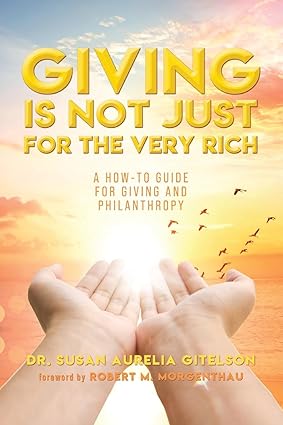
In today’s interconnected world, teaching kids about philanthropy has become an essential step toward building a compassionate and engaged society. It is why Susan Aurelia Gitelson, in her book Giving is Not Just For The Very Rich, offers an inspiring perspective on how people of all ages can make meaningful contributions.
Still, how does one start introducing children to giving early? Is it really just through small acts of kindness? Or maybe, they need more structured opportunities? This is where picking the right kind of philanthropy by demographics and lifestyle is useful. And for kids, this is an opportunity to teach them that skills and values are just as important as donating money.
Why Philanthropy Matters for the Next Generation
When we start teaching kids about philanthropy from a young age, generosity is but the first lesson. In fact, some might say it’s just the opening lines to the whole act! Many people today still assume it’s about teaching kids to just give spare change. Young minds deserve to be taught more than that.
Hence, philanthropy gives them an environment for developing empathy, responsibility, and an understanding of how their actions affect others. Studies show that children involved in youth philanthropy programs often grow up with a stronger sense of social responsibility and civic engagement. They become more aware of the challenges others face and learn more about the different solutions proposed to address them.
Teaching kids that giving can be more than financial donations can prove very instrumental for them later in life. It teaches that time, creativity, and skills can be just as valuable as money. Helping in a neighborhood clean-up, organizing a school book drive, or even making homemade gifts for charity can all impart this lesson.
And perhaps most importantly, this will be their earliest exposure to examples of philanthropy being guided by a willingness to help rather than the limits of their income.
Practical Ideas for Teaching Kids About Philanthropy

Photo by HiveBoxx
Some of the best ways to teach giving and generosity are by integrating them both into everyday life. Parents, teachers, and community leaders can make teaching kids about philanthropy practical through a variety of activities:
- Family Volunteering: Visiting local shelters or community kitchens together can make service a shared experience for the family.
- Youth-led Fundraising Activities: Organize a brainstorming session where kids can think of ways to support causes they care about, like bake sales or fun runs.
- Seasonal Giving Traditions: Does your school host an annual toy donation during the holidays? What about school supply drives? Both make excellent traditions!
- Storytelling and Role Models: Share stories of young changemakers and famous philanthropists who started small.
Make sure that these activities are also done regularly while being enjoyable. This makes it easier to turn acts of charity into habits that last into adulthood. Kids who grow up viewing giving as a natural part of life are more likely to carry that mindset into their careers and communities.
Some of these programs also have the potential to instill the values of philanthropy in more than just one child. Imagine an entire charitable community that grew over time, all simply because everyone was taught the value of generosity!
This is in great contrast to the misconception that one first needs to be among the business elite. Kids learning to use their skills and talents to help the needy will accomplish more for their neighborhoods compared to a billionaire writing a one-time cheque.
How to Build a Long-Term Culture of Giving
Of course, a culture of giving needs to be kept alive by sustaining it beyond one-time events. Teaching kids about philanthropy should also incorporate service-learning projects in school curricula. This ensures that students have a better idea of how their classroom lessons connect with real-world challenges.
This can extend even to extra-curricular activities. Clubs and organizations can sponsor charity drives, while local businesses should be encouraged to collaborate in kid-friendly service initiatives.
Meanwhile, families can take their own extra steps toward building a culture of giving in children by having open conversations about where donations go and why certain causes matter. This transparency helps kids understand the impact of the things they do. It also encourages critical thinking about how to choose reputable charities (with no shortage of guides like Giving is Not Just For The Very Rich).
However, in all these areas, teaching kids compassion and empathy through everyday interactions is crucial. Children who are taught to listen, respect others’ perspectives, and act kindly are naturally more inclined toward generosity. This emotional foundation is what gives strength to all the other popular lessons about giving.
The Ripple Effect of Raising Young Philanthropists
When children embrace the values of generosity early on, their influence will carry on throughout their later years. They are more likely to become stellar examples to their peers and help create communities where giving is the norm rather than the exception. As they grow, these young philanthropists may contribute in bigger ways, whether through their careers, personal networks, or even public platforms.
One of the best lessons taught in Giving Is Not Just For The Very Rich is that giving can be tailored to an individual’s strengths and resources. By focusing on both the developmental and practical aspects of teaching kids about philanthropy, we nurture habits that foster a sense of joy and purpose in helping others.
So, the earlier each of us starts this philanthropic journey with kids, the more natural it becomes. When giving is understood as a universal opportunity (rather than a fancy privilege), children learn that they can make a difference no matter their background. In turn, these young givers grow into adults who see generosity as an integral part of a healthy society instead of something rare.
By encouraging participation in youth-led fundraising activities and supporting programs that focus on instilling values of generosity in youth, we set the stage for a lifetime of positive impact.
The culture of giving begins at home, expands into the community, and eventually shapes a more compassionate society for all.
Want to start raising the next generation of givers? You can find plenty of great ideas in Giving Is Not Just For The Very Rich! Just find a copy on Barnes & Noble, Amazon, or ReadersMagnet.

0 Comments