

Photo by manny PANTOJA
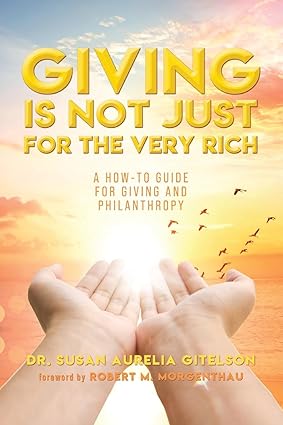
The world of giving has always been associated with wealthy donors, large foundations, and flashy yet touchy publicity stunts. Yet Dr. Susan Aurelia Gitelson’s book Giving Is Not Just for the Very Rich represents a growing movement that argues otherwise. Today, there are more ways to participate in it than ever before.
In fact, one can just take a look at how technology is even enabling remote philanthropy jobs, as well as broader philanthropy jobs that make it possible to contribute from anywhere in the world, regardless of financial status. Many of the barriers to participation in major charitable causes are coming down. And rather than just look at the ways to simply send money, aspiring volunteers and organizers
The Rise of Remote Philanthropy Jobs
Just about everyone is aware that more organizations have been adopting advanced remote work technology to get their projects done.
The same applies to many charities, NGOs, and advocacy groups. Is it really unusual for them to hire for remote philanthropy jobs? Doing so creates flexible pathways for people who want to dedicate their careers to making a difference!
Perhaps, on the side, this might have to do with a certain misconception that philanthropy involves working with impractical organizations. But in reality? That is hardly the case for every charitable organization in 2025!
Many of these groups are just as willing to provide job opportunities in areas like digital communications or even marketing.
Other tasks, like program management and data analysis, are needed in these organizations as well. And with a shift to hiring people online, even nonprofits can reduce overhead costs and expand their talent pool, which makes their impact stronger.
For someone seeking meaningful employment, this means they can blend purpose and flexibility. For example, a person living in a rural area who cannot commute to a city office can still find remote philanthropy jobs (as just another example).
This further ties in with the premise of Dr. Gitelson’s book. The charitable offering of opportunities this way isn’t just something for the wealthy. Instead, charity ought to be seen as an invitation to everyone when it comes to contributing their skills, energy, and ideas toward the greater good.
Skills That Open Doors in Remote Roles

Photo by Peter Boccia
And just like in for-profit companies, the potential of remote philanthropy jobs lies in the wide range of skills they can hone.
Technical expertise is certainly one area. But on the other hand, lots of remote work also empowers those who are creative. Professionals who have a firm grasp of messaging, branding, and design also have much to contribute to charitable causes.
There is also a need for regular communication and relationship-building. Many roles focus on connecting with donors or providing updates on grants.
Others can be involved in managing and motivating volunteers. Opportunities include virtual nonprofit careers where you could assist in developing awareness campaigns. You could have work-from-home charity jobs that require social media management. It is even possible to hold remote fundraising positions that plan and execute online giving events.
If writing is your strength, there are online grant writing jobs where you can research funding opportunities and prepare proposals. Those who enjoy organizing people can explore various remote volunteer coordination roles. Some of these can involve scheduling. Meanwhile, there will be those who focus on training and keeping volunteers motivated from afar. There are so many roles you can discover when you explore remote philanthropy job opportunities.
And at the end of the day, all these roles prove that philanthropy needs more than money to thrive. Financial giving only works when it is used to empower personal involvement and professional dedication.
Why Remote Work Strengthens the Spirit of Giving
Philanthropy is not just about writing checks. The checks are just there to pay for the more important components.
Money is no substitute for commitment or compassion. Many times, it is not even the most appropriate metric for measuring impact.
Likewise, a philanthropic project that employs remote working strategies is not a mark against it.
One can even argue that remote opportunities allow people to weave a commitment into their daily lives without giving undue stress.
Today’s current economy is not looking particularly bright. Lots of people are facing hard times, with their responsibilities eroding any sense of goodwill. There will be times when injecting money won’t amount to much if all that does is turn volunteer work into another busy commitment.
By opening people to trying remote philanthropy jobs, you empower a global community of changemakers whose belief in giving transcends the limits of time constraints.
This aligns with Dr. Gitelson’s insights: meaningful giving comes from diverse sources. In her book, she explains that ordinary people have as much capacity for impactful generosity as those with large fortunes. Remote roles reflect that principle by opening doors to anyone with passion and skills, not just those with wealth or proximity to big cities.
Moreover, remote work allows organizations to stay resilient in times of crisis. Looming economic downturns or global challenges need to be prepared for.
And with the benefits already proven, nonprofits can increase their chances of staying in operation. They will also have more avenues for fundraising and delivering services. That adaptability ensures philanthropy continues even in uncertain times.
The Potential for a Global Philanthropy Network
Just like in the for-profit sector, the integration of remote work and information technology holds much potential for those in philanthropy.
With the right skills and a genuine passion for helping others, anyone can contribute to meaningful causes regardless of distance. In fact, this only makes it more urgent for various charitable organizations to leverage these innovations lest they risk their message being drowned out.
All the areas pivotal to this kind of project have the potential to be improved. There is communication and fundraising, as well as promoting awareness and managing volunteers.
Remote philanthropy jobs show that the power of giving is no longer tied to wealth or geography. Instead, it is about participation, dedication, and the belief that everyone has something valuable to give. And as technology and organizational structures advance, so too must the roles and the organizations. This new landscape mirrors the timeless truth Dr. Gitelson shares: giving is for all of us, not just for the very rich.
Don’t forget, you can find more up-to-date information about today’s highly effective charity organizations in Giving Is Not Just For The Very Rich. It’s available on Barnes & Noble, Amazon, or ReadersMagnet!
Every purchase will also contribute to efforts to help the homeless with Uplift San Diego.

0 Comments