

People frequently inquire about the distinction between philanthropy vs. humanitarian work as well as how they may have a significant impact in a world that is dealing with both immediate crises and long-term systemic issues.
In actuality, both methods of giving are worthwhile, but they have different goals and call for different attitudes.
Understanding the Basics: Philanthropy and Humanitarian Work
In the simplest terms, philanthropy vs. humanitarian work represents two complementary yet distinct ways of helping others. In general, philanthropy refers to deliberate, long-term giving that seeks to address the underlying causes of issues. Contrarily, humanitarian work concentrates on providing immediate assistance, frequently in the wake of natural catastrophes, armed conflicts, or pressing humanitarian emergencies.
Understanding both strategies, as Dr. Gitelson stresses, aids in determining how to optimize your resources’ impact in addition to where to allocate them. Both routes offer worthwhile chances, regardless of your preference for creating long-term solutions or meeting pressing demands.
The Key Differences
The main differences between philanthropy and humanitarianism are in timing, scope, and methodology. Humanitarian endeavors place a premium on promptness and immediate outcomes. They are crucial in circumstances where quick mobilization is necessary, such as natural disasters. In contrast, philanthropy is slower, more methodical, and concentrated on developing possibilities or systems that avert future disasters.
For example:
Humanitarian work might involve distributing food and water to flood victims.
Philanthropy might involve funding infrastructure improvements to prevent flooding in the first place.
This is the essence of the difference between philanthropy and humanitarian aid—one is about urgent rescue, the other about long-term transformation.
Why This Matters for Everyday Givers
The realization that tremendous wealth is not a prerequisite for philanthropy is among the most inspiring takeaways from Giving Is Not Just for the Very Rich. By beginning little, concentrating on causes that are important to you, and gradually increasing your contributions, you may learn how to give effectively regardless of your wealth.
Dr. Gitelson exhorts readers to consider themselves as active agents of change, whether it be through financial contributions, skill-sharing, or policy reform advocacy. Intention is more important than scale.
The Power of Philanthropy: A Long-Term Lens
Rich benefactors have traditionally been linked to philanthropy, but the book dispels this myth. By adopting a systematic approach to giving, anyone can become a philanthropist.
This implies:
finding a cause that is consistent with your principles.
Researching organizations to ensure transparency and efficiency.
supporting programs that deal with issues at their core.
An example might be funding scholarships for underprivileged students—not just to help them today but to alter the course of their future.
By committing to sustained involvement, philanthropy can help communities become self-sufficient, reducing their reliance on emergency aid over time.
The Urgency of Humanitarian Work
In contrast, humanitarian work often involves high-pressure environments and quick decision-making. Organizations providing humanitarian aid are first on the scene in disaster zones, delivering food, medical supplies, and shelter. They save lives when time is of the essence.
While philanthropy looks ahead to the next generation, humanitarian work focuses on the next 24 hours. Both are essential, and often, one feeds into the other. After a disaster, philanthropic funding can help rebuild infrastructure and systems to prevent recurrence.
Blending Both Worlds
The reality is that philanthropy vs. humanitarian is not a competition—it’s a partnership. In many cases, the two approaches work hand in hand. While philanthropy investment aids in community reconstruction and future strengthening, immediate humanitarian aid attends to immediate needs.
Think about international health emergencies. While philanthropy donations support vaccine development and public health education to stop future outbreaks, humanitarian workers may treat people in response to an outbreak.
Lessons from Giving Is Not Just for the Very Rich
Dr. Gitelson’s book offers practical steps for engaging in both philanthropic and humanitarian efforts without feeling overwhelmed.
Her advice includes:
Start where you are: Give time, skills, or modest donations to causes you believe in.
Be consistent: Regular contributions, no matter the size, add up over time.
Leverage partnerships: Collaborate with organizations or other donors to amplify impact.
Stay informed: Educate yourself about the issues so your giving is targeted and effective.
She also underscores the importance of transparency and ethical giving, ensuring that your resources truly benefit the intended recipients.

Real-World Applications
Suppose you have a strong interest in education. Giving school materials to kids in conflict-affected countries could be one way you can demonstrate your humanitarian efforts. Funding teacher training programs or digital learning projects that offer continuous educational access could be part of your charitable strategy.
In the healthcare industry, philanthropy may entail funding long-term initiatives like clinic construction or healthcare worker training, whereas humanitarian relief may entail dispatching emergency medical teams following an earthquake.
Making the Decision: Where Do You Fit?
The choice between philanthropy vs humanitarian action depends on your personal strengths, resources, and values. Some people thrive in fast-paced, on-the-ground environments where immediate action saves lives. Others prefer the thoughtful, strategic planning that drives systemic change.
The good news is you don’t have to choose one exclusively. Many people participate in both, responding to emergencies when they arise while also contributing to long-term solutions.
Practical Tips for Getting Started
If you’re inspired by Dr. Gitelson’s message, here’s how you can begin:
Identify your passions: Which issues matter most to you?
Evaluate your resources: Take into account your money, time, network, and abilities.
Start small: Even small steps can have a big impact.
Learn from others: Examine how effective donors strike a balance between immediate assistance and long-term effects.
Evaluate regularly: Revisit your commitments to ensure they’re still effective and aligned with your values.
For an in-depth guide on trends and innovations in this space, you might find this future of philanthropy trends resource helpful.
Continuing the Conversation
One of the most valuable aspects of discussing philanthropy vs humanitarian approaches is that it sparks reflection. Are we giving just to feel good, or are we giving in ways that truly help? Are we balancing urgent needs with sustainable change? Dr. Gitelson challenges us to think critically about these questions and to act intentionally.
For additional perspectives, you can read this insightful piece on philanthropist vs humanitarian that dives deeper into the nuanced differences.
Final Thoughts
Humanitarian work and generosity are ultimately about compassion in action. Both are crucial to creating a better world, and they are two sides of the same coin. You can put yourself in a position where your contributions will make the biggest influence by being aware of their distinctions and points of junction.
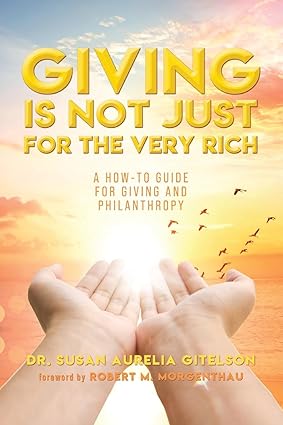
If you’re ready to explore these concepts further and discover practical strategies for giving that fit your life, order a copy of Giving Is Not Just for the Very Rich by Susan Aurelia Gitelson. It’s a guide that proves everyone has the capacity to make a difference—no matter their income.

0 Comments
Trackbacks/Pingbacks