

Photo by Suraphat Nuea-on
In a world that often seems to be rife with inequality and suffering, personal charity becomes a bright beacon in the darkness. Giving others a piece of yourself is widely recognized as the greatest expression of human compassion and morality. These are necessary and important to the fundamentals of continuing a society. The voluntary decision to give out one’s resources to those in need is not just extremely important but a testament to the power of personal choice.
However, when it comes to the particular ethics of personal charity, complex and multifaceted questions arise that cover considerations of motives and methods.
Giving as an Individual
A compelling argument in favor of personal charity is the moral imperative that it behooves everyone to commit to. Many philosophers and thinkers have asserted that it is the duty of all human beings to help others, especially those who are less fortunate than themselves. This inherent duty that transcends boundaries is grounded on the universal principles of compassion and empathy, reminding us of our shared humanity. Personal charity is also the belief that everyone has inherent dignity.
Utilitarianism proposes that actions have to maximize the happiness of the largest number of people while minimizing their suffering to be considered morally right. From this foundation, personal charity is important because it is a means for individuals to increase the overall well-being of society.
On the other hand, deontology emphasizes that it is important to fulfill one’s duties and obligations to one’s community and respect the inalienable rights of others. From this perspective, personal charity is a manifestation of one fulfilling one’s duty to the broader community of mankind, regardless of the benefits that may or may not come.
Lastly, virtue ethics is the approach of focusing on the development of good virtues, such as generosity, compassion, and kindness. Considering this, personal charity can be seen as a way to cultivate these virtues to live a more fulfilling life.
While the moral imperative to give is strong, it is still nonetheless important to recognize that it is not an absolute force. There are other moral obligations that individuals have, such as caring for their families or contributing to their communities in other equally beneficial ways. Moreover, morality is not a burden and can be extremely dependent on several external factors.

Photo by Joel Muniz
The Ethics of Effective Giving
People also have to consider that aside from the moral foundations of giving, there are also the moral implications of giving itself. Making informed decisions ensures that an individual knows how to be charitable effectively and morally.
Before giving or donating, you should always thoroughly research which organizations are reputable and align with your values. Also, make sure that they have a proven track record, which may involve checking a charity’s financial statements, reading reviews, and contacting them directly.
This is so you can avoid scam charities. Sadly, because not everyone takes the opportunity to be kind and charitable, there are plenty of organizations out there that serve as fronts for illegitimate purposes. Be extremely wary of them.
Lastly, ponder on the impacts of what your donation might do. For example, a local food bank may have a more immediate and tangible effect than donating money to a massive international charity like the Red Cross or some other.
Personal Charity and Systemic Change
While individual acts of charity can also make a significant difference in the lives of those in need, it is still critical to remember that it is equally important to recognize that it can only take you places and is not an adequate substitute for systemic change.
The only way to address the root causes of poverty, inequality, discrimination, and other social ills is through collective action and thorough policy reforms.

Photo by Julia M Cameron
Beyond Personal Charity
The ethics of personal charity are complex and multifaceted. Not everyone has the capacity to do it, and not everyone may even do it if given the chance. Yet, it is still important to think about these things and consider other possibilities. By widening our choices and knowledge, individuals too can make a contribution to the betterment of the world.
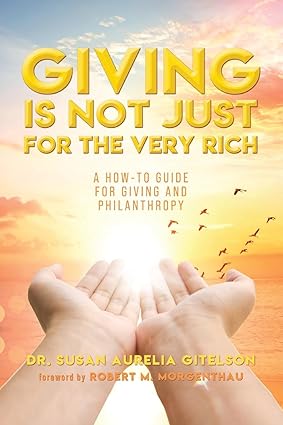
Susan Aurelia Gitelson’s Giving is Not Just for the Very Rich is available on this website and in all major online bookstores such as Amazon, Barnes & Noble, and more.

0 Comments