

National Philanthropy Day is a special occasion that reminds us of the power of kindness and generosity. It is a day to honor individuals, organizations, and businesses that dedicate their time, resources, and talents to making the world a better place.
Whether it is volunteering at a local shelter, supporting education programs, or funding medical research, every act of giving leaves a lasting mark.
The Meaning of National Philanthropy Day
Observed each year on November 15, National Philanthropy Day is recognized in communities across the United States and in many parts of the world. It was created to highlight the impact of generosity on society. It is not only about acknowledging significant donations but also about appreciating the countless small acts of kindness that often go unnoticed.
This day encourages everyone to reflect on the ways they can contribute to positive change. The official celebrations often include award ceremonies, community events, and volunteer initiatives. It is a chance to learn more about National Philanthropy Day and understand how each of us can be part of a larger movement toward helping others.
Why National Philanthropy Day Matters
National Philanthropy Day serves as a reminder that generosity is essential for building strong, compassionate communities. Without the contributions of volunteers, donors, and advocates, many vital programs and services would not exist.
Philanthropy also brings personal rewards. People who engage in giving often feel a deeper sense of purpose and satisfaction. It fosters connections, creates unity, and can even improve mental and emotional well-being. The joy that comes from helping others is an experience money alone cannot buy.
How to Celebrate National Philanthropy Day

Image from Freepik
Marking National Philanthropy Day does not have to involve grand gestures. There are many ways to celebrate that are both meaningful and accessible:
- Volunteer locally. Help out at a food bank, animal shelter, or community center.
- Donate. Support a cause that aligns with your values, whether it is a global charity or a neighborhood project.
- Share inspiring stories. Use your social media platforms to highlight good works happening in your community.
- Host a fundraiser. Gather friends and family to raise money or collect goods for those in need.
- Offer your skills. Use your talents to benefit nonprofit organizations, such as graphic design, tutoring, or event planning.
The key is to focus on giving back in a way that feels personal to you. Even a few hours of your time can make a big difference.
The Everyday Spirit of Philanthropy
One of the central messages of National Philanthropy Day is that anyone can be a philanthropist. You do not need wealth or influence to have an impact. Kindness, empathy, and willingness to act are just as valuable as financial contributions.
Philanthropy can be as simple as checking on an elderly neighbor, mentoring a young student, or supporting local artists. These acts may seem small, but when multiplied across communities, they create lasting change.
UPLIFT San Diego: A Living Example of Philanthropy
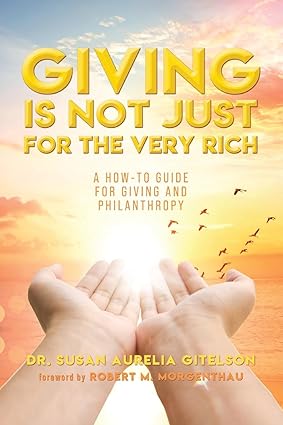
Dr. Susan Aurelia Gitelson, author of Giving Is Not Just For The Very Rich: A How-To Guide For Giving And Philanthropy, has dedicated her work to showing that generosity is for everyone.
She supports UPLIFT San Diego, a nonprofit organization that provides housing assistance, counseling, and life skills training to homeless individuals in San Diego, California.
Her commitment goes beyond words. Every copy of her book sold directly helps people experiencing homelessness in San Diego. This means that when readers learn about practical ways to give, they are also contributing to a tangible cause. By tying her message to real-world action, Dr. Gitelson demonstrates the true heart of philanthropy.
The Global Reach of National Philanthropy Day
While the celebration is rooted in North America, National Philanthropy Day is gaining recognition in other parts of the world. International events encourage people to share stories of kindness and generosity, inspiring others to act.
In some countries, the day is marked with charity runs, benefit concerts, and public recognition of outstanding community members. Schools may host special lessons on compassion, while companies might organize volunteer days for employees. The diversity of these events reflects the universal value of helping others.
Teaching the Next Generation
Another important aspect of National Philanthropy Day is education. Instilling the spirit of giving in young people ensures that the tradition continues for generations to come. Parents, teachers, and mentors can involve children in service projects, fundraising efforts, or community improvement activities.
By engaging youth early, they learn that generosity is not a chore but a privilege. They see firsthand how their actions can change lives, creating a cycle of compassion that grows stronger over time.
Everyday Philanthropy

One of the key messages of National Philanthropy Day is that you do not need to be wealthy to be a philanthropist. Acts of kindness, whether financial or through service, matter equally. You can contribute by:
- Offering professional skills to nonprofit organizations.
- Supporting local small businesses that also give to the community.
- Donating items like clothing, books, or food to those in need.
- Participating in community clean-up events.
Philanthropy is about mindset as much as it is about resources. Anyone can contribute to a better society.
A Practical Guide to Giving
If you are looking for inspiration and direction, Giving Is Not Just For The Very Rich: A How-To Guide For Giving And Philanthropy by Dr. Susan Aurelia Gitelson offers practical ideas for contributing meaningfully to causes you care about. It shows that philanthropy is not limited to financial gifts. You can give time, knowledge, and encouragement.
The book also highlights the emotional rewards of helping others, from feeling more connected to your community to gaining a stronger sense of purpose in life. Readers discover creative ways to give, regardless of their circumstances.
Take Action Today
National Philanthropy Day is a reminder that generosity has no boundaries. Each person has something valuable to offer, whether it is a skill, a resource, or a compassionate heart.
If you are ready to make a difference, start by identifying a cause that matters to you. Then take one step toward supporting it. It could be as simple as a donation, an hour of your time, or sharing a message that inspires action.
For a deeper understanding of how to make your contributions count, consider picking up a copy of Giving Is Not Just For The Very Rich: A How-To Guide For Giving And Philanthropy. With every purchase, you will be joining Dr. Gitelson in supporting UPLIFT San Diego and helping provide for the homeless. Your decision to read and act could change more lives than you imagine.

0 Comments
Trackbacks/Pingbacks