

We often think of large donations from the ultra-wealthy or significant charity events when it comes to giving. However, meaningful philanthropy isn’t just for the very rich – anyone can participate, regardless of income. The key is learning how to give wisely and ethically, ensuring that your contributions have the most impact on the causes that matter to you.
In this guide, we’ll explore how to give in ways that make a lasting difference, whether you’re donating money, time, or resources. Let’s dive into the practical and ethical approaches that can guide your giving journey.
Let’s dive into the practical and ethical approaches that can guide your giving journey.
1. Know Your Values and Causes
Reflecting on your values is essential before you open your wallet or volunteer your time. What issues resonate most with you? Whether supporting education, environmental conservation, homelessness, or mental health, understanding where your passion lies is the first step in giving wisely.
Start by researching organizations and causes that align with your values. Look for those with a clear mission, transparent financials, and a track record of making a tangible difference.
2. Set a Giving Budget
Giving is not just for those with deep pockets. Even if your financial situation is modest, allocating a small portion of your income to charity can make a significant difference. Start by creating a budget for giving that fits within your means. This could be as simple as allocating 1-5% of your monthly income to charity or committing to a set amount of time each month for volunteering.
Setting a budget ensures that your giving is sustainable and consistent. This also helps prevent donor fatigue or guilt- you’re contributing within your means, which is just as valuable as a large donation.
3. Give with Purpose and Thoughtfulness
Ethical giving is about making a conscious choice, not just writing a check. Think about how your donation or effort can have the most significant effect. If you’re donating money, look into organizations that provide transparency in their use of funds and have measurable outcomes.
If you’re contributing goods or services, consider how they will be distributed. For example, donating clothing or food is generous. Still, it’s essential to consider whether the items will be helpful or may add to logistical challenges for the recipient organization. When you give purposefully, you can maximize your impact. It also ensures that your contributions meet the community’s specific needs or cause you’re supporting.
4. Consider Volunteering Your Time or Skills
Monetary donations are not the only way to give. Volunteering is another powerful way to make a lasting impact. Consider offering your time, skills, or professional expertise to help a cause. It could be tutoring students, offering legal advice, or helping sort donations at a food bank. Remember, your time can be just as valuable as a financial contribution.
If you have a specific skill set, consider how you can apply it to support nonprofits or causes in need. Volunteering benefits the organization and can help you feel more connected to your community and the causes you care about.
6. Evaluate the Long-Term Impact of Your Giving
Lastly, it’s essential to evaluate the lasting impact of your philanthropy. Giving wisely to people means being conscious of the long-term effects of your contributions. Does the organization you’re supporting have a sustainable approach? Do they work toward systemic change or focus only on immediate relief? Meaningful philanthropy goes beyond quick fixes; it addresses root causes and creates lasting change.
Ask questions about how your donation or efforts are used and whether they are part of a broader strategy to create long-term solutions. Regularly assess the impact of your giving and adjust your efforts as necessary to ensure they are making a difference.
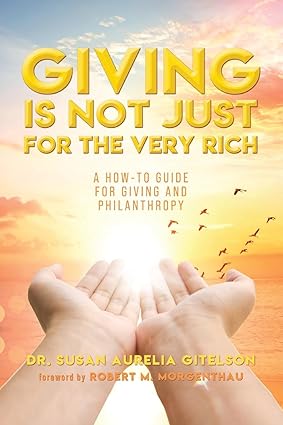
Giving Is Not Just For The Very Rich is a practical and inspiring guide by Dr. Susan Aurelia Gitelson. It offers creative ideas for giving. It helps with meaningful causes, finding purpose, and experiencing the joy and fulfillment of helping others, regardless of your financial situation.
Conclusion
Learning how to give wisely and ethically is key to ensuring that your contributions truly make a lasting impact. By aligning your giving with your values, setting a giving budget, and choosing thoughtful, sustainable methods of philanthropy, you can help create real change.
Remember, philanthropy is not just for the rich; it’s for everyone who wants to make a positive difference. By incorporating these strategies into your life, you can practice meaningful philanthropy and help build a better world. Order a copy of Dr. Susan Aurelia Gitelson’s resourceful guide, Giving is Not Just For The Very Rich: A How-To Guide For Giving And Philanthropy, online at ReadersMagnet Bookstore, Amazon, and Barnes & Noble. Learn more about Dr. Susan and her advocacy by visiting her website at https://www.susanaureliagitelson.com/.

0 Comments
Trackbacks/Pingbacks