

Man giving plant to a woman, epitomizing giving is not just for the very rich | Photo by Anna Shvets
Giving is not just about making a donation; it’s about creating opportunities for lasting impact. Philanthropy is not reserved for the wealthy. In fact, anyone can make a meaningful change through strategic and thoughtful giving. From supporting education to volunteering time and expertise, giving extends beyond financial contributions.
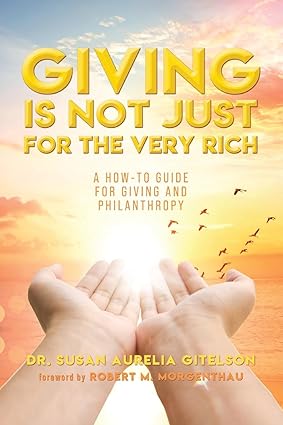
Giving Is Not Just for the Very Rich by Dr. Susan Aurelia Gitelson contests the misconception that giving is limited to monetary donations. In this how-to guidebook for giving and philanthropy, Susan demonstrates how anyone—regardless of income—can contribute to a better world. The real essence of philanthropy is not about the size of the gift, but how it empowers individuals and communities toward self-reliance and long-term sustainability.
Meaningful charity goes beyond temporary aid, as it nurtures independence. Donors and volunteers can make a difference by investing in education and community-driven initiatives that equip people with skills and resources to support themselves. “Giving is Not Just for the Very Rich” by Dr. Susan Aurelia Gitelson offers a comprehensive guide to philanthropy. The book highlights diverse ways people can give beyond the most common monetary donations, such as volunteering or advocacy.
Rethinking Charity: From Handouts to Empowerment
While giving food, clothing, and financial aid offers temporary assistance, they do little to address long-term challenges. Sustainable giving, on the other hand, invests in solutions that empower individuals and communities to become self-sufficient. By prioritizing education, skill-building, and economic opportunities, donors can create lasting impact. Giving is Not Just for the Very Rich emphasizes that impactful philanthropy isn’t about short-term fixes but about fostering independence.
Self-reliance is key to breaking cycles of poverty and dependency. When charitable efforts provide people with the tools to support themselves, they contribute to sustainable development. Dr. Gitelson’s book highlights how strategic giving can drive long-term progress. Instead of creating a reliance on aid, meaningful philanthropy helps individuals gain skills, resources, and opportunities to thrive.
| Examples of Sustainable Donations: | |
| Scholarships for Vocational Training | Equips individuals with job-ready skills for independence |
| Microfinance for Small Businesses | Helps entrepreneurs grow sustainable sources of income |
| Community Farming Initiatives | Provides food security and economic stability for villages |
Key Approaches to Meaningful Giving for Sustainability

Supporting Education and Skill Development
Scholarships help students gain knowledge, vocational training equips individuals with job-ready skills, and mentorship programs provide guidance for success. These opportunities empower individuals to use their skills and knowledge to land a job and earn their own living.
Organizations that Promote Knowledge as a Tool for Self-Reliance
Education-focused nonprofits play a crucial role in sustainable development. A lot of organizations are now providing more accessible learning, while vocational training programs help individuals secure stable jobs. Supporting such initiatives is already a concrete demonstration that giving is not just for the very rich.
Encouraging Community-Led Solutions
Empowering local leaders ensures sustainable change. Successful examples include farming cooperatives, women-led enterprises, and education initiatives tailored to local challenges. Supporting community-driven efforts, no matter how small, is something everyone can do. Participating in outreach campaigns is already an example of meaningful charity without money.
Environmental and Sustainable Giving
Eco-friendly initiatives support both livelihoods and the planet. Sustainable agriculture, renewable energy programs, and conservation projects provide jobs while protecting resources. Charities with these initiatives prove that giving is not just for the very rich—anyone can contribute to sustainability and long-term global well-being.
Evaluating Charities for Maximum Impact
Not all charities create lasting change—evaluating their impact ensures donations support self-reliant, long-term solutions. Prioritize organizations that empower individuals through education, entrepreneurship, and community development rather than those providing short-term aid. Research a charity’s mission, financial transparency, and success stories to confirm its effectiveness.
Before donating, ask these questions:
Does the organization promote self-sufficiency?
How does it measure success?
What percentage of funds go directly to programs?
Giving Is Not Just for the Very Rich: Support UPLIFT
Dr. Susan Aurelia Gitelson exemplifies that giving is not just for the very rich by supporting UPLIFT San Diego, a nonprofit dedicated to promoting community equity through free academic services and housing support for vulnerable populations. Proceeds from each sale of her book, Giving Is Not Just for the Very Rich, directly assist homeless individuals in San Diego, providing them with essential resources and support. By purchasing this insightful guide, you not only gain valuable knowledge on impactful philanthropy but also contribute to meaningful change in the lives of those in need. Get your copy today and join Dr. Gitelson in making a difference.
SEO FAQ for Giving Is Not Just for the Very Rich
Q1: What is Giving Is Not Just for the Very Rich about?
A Giving Is Not Just for the Very Rich is a how‑to guide that encourages people of all income levels to engage in philanthropy. It provides practical ideas on how to give meaningfully, beyond financial donations, and shows how any individual can make an impact through time, skills, advocacy, and strategic giving.
Q2: Who wrote this book and why?
The book was written by Dr. Susan Aurelia Gitelson, an author and philanthropy consultant with decades of experience in international relations and nonprofit work. She wrote it to demystify philanthropy and make giving accessible and rewarding for everyone, not just the wealthy.
Q3: Can people with limited funds still make a difference?
Yes. The guide argues that giving isn’t only about money. Time, education, expertise, leadership, and advocacy are also powerful forms of giving that can create lasting impact.
Q4: What types of giving does the book discuss?
The book highlights diverse areas for giving, including religious philanthropy, education (K‑12 and higher education), science and health, arts and culture, sports, and international aid. It also explains how to assess charities and decide where to give wisely.
Q5: Does the guide help readers avoid charity scams?
Yes. It offers guidance on evaluating charities, checking transparency and accountability, and using watchdog agencies to make informed giving choices.
Q6: Why does the book matter for everyday readers?
The book helps everyday readers understand that anyone can contribute to positive change. It equips readers with tools to make thoughtful, effective contributions and reveals the psychological and social benefits of giving.
Q7: Where can readers get a copy of the book?
The book is available in paperback and can be ordered through major retailers like Amazon, Barnes & Noble, and the ReadersMagnet Bookstore.
Conclusion
Giving Is Not Just for the Very Rich reframes philanthropy as an inclusive practice that extends beyond monetary wealth. Dr. Susan Aurelia Gitelson emphasizes that giving can take many forms time, expertise, advocacy, and strategic support and that meaningful contribution starts with intention and informed choice. The book provides practical insights, real‑world examples, and tools to help readers of any background engage confidently in giving and philanthropy. Whether you’re new to charitable work or seeking a more thoughtful way to support causes you care about, this guide empowers you to make a real difference and experience the personal fulfillment that comes with generosity.

0 Comments