

In boardrooms and annual reports, the debate around corporate philanthropy vs CSR continues to shape how businesses define their roles and responsibilities in society. While both concepts reflect a company’s desire to contribute positively, they differ in structure, strategy, and long-term impact.
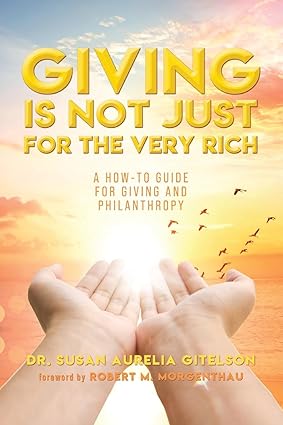
Susan Aurelia Gitelson’s book Giving Is Not Just for the Very Rich reinforces the idea that meaningful giving requires clarity of purpose, careful evaluation, and sustained commitment. Although her work focuses primarily on individual generosity, its principles apply directly to corporations seeking to make a difference beyond profit.
Today, companies channel thousands of dollars into corporate giving, develop robust corporate social responsibility strategies, allocate business donations, and build strategic nonprofit partnerships. However, these initiatives are not identical. Examining corporate philanthropy vs CSR reveals how businesses can transition from episodic generosity to integrated responsibility.
What Is Corporate Philanthropy?
Corporate philanthropy refers to direct charitable contributions made by a company. These contributions often take the form of financial grants, in-kind donations, scholarships, sponsorships, or disaster relief support. Typically, philanthropic initiatives are managed through a corporate foundation or a dedicated community relations department.
According to national reports on corporate contributions, U.S. corporations collectively contribute tens of billions of dollars annually to charitable causes. These funds support education, healthcare, arts, environmental initiatives, and humanitarian relief. Corporate philanthropy often enhances the brand’s visibility and image while fulfilling a moral commitment to communities, whether located in local or international areas.
However, philanthropy within a corporate context usually operates separately from core business operations. It may not directly influence production processes, supply chains, or environmental impact. Instead, it functions as an extension of goodwill. Gitelson emphasizes that thoughtful giving requires evaluation and alignment with values. For corporations, this principle suggests that philanthropic acts should reflect authentic priorities rather than merely promotional objectives.
What Is Corporate Social Responsibility (CSR)?
Corporate Social Responsibility, commonly known as CSR, represents a broader framework. Rather than focusing solely on charitable contributions, CSR integrates ethical, environmental, and social considerations into business operations. It influences how products are manufactured, how employees are treated, and how environmental impact is managed.
CSR encompasses sustainability initiatives, fair labor practices, ethical sourcing, and community engagement. It extends beyond donations and shapes corporate governance. Increasingly, investors evaluate companies based on Environmental, Social, and Governance (ESG) metrics, highlighting CSR’s growing relevance and weight.
While corporate philanthropy might involve writing a check to a local hospital, CSR could involve reducing carbon emissions, improving workplace diversity, or implementing transparent supply chains. Thus, CSR embeds responsibility directly into corporate DNA.
Differences Between Corporate Philanthropy and CSR

Understanding corporate philanthropy vs CSR becomes clearer when examining specific distinctions. Below are three major differences explained in depth.
1. Scope and Integration
First, corporate philanthropy typically operates as an external initiative. It may involve annual grant cycles, sponsorship programs, or charitable events. These activities, while impactful, often remain distinct from core business operations.
CSR, by contrast, integrates responsibility into everyday business decisions. It affects procurement policies, environmental standards, and employee welfare. For example, a company may implement renewable energy strategies or enforce strict supplier audits.
Moreover, CSR influences corporate culture. Employees become stakeholders in ethical practices, and leadership accountability expands beyond profits. Therefore, the scope of CSR surpasses philanthropic outreach. Consequently, in the debate over corporate philanthropy vs CSR, integration stands as a defining factor.
2. Time Horizon and Sustainability
Second, corporate philanthropy often addresses immediate community needs. For instance, disaster relief funding or scholarship programs may provide swift support. These initiatives are valuable and highly visible.
However, CSR emphasizes long-term sustainability. Reducing carbon emissions or implementing diversity training requires continuous investment and monitoring. These actions aim to prevent future harm rather than respond after damage occurs.
Additionally, CSR strategies frequently include measurable goals and reporting standards. Annual sustainability reports document progress and challenges. In contrast, philanthropic programs may highlight donation totals without evaluating systemic change. Therefore, the time horizon differentiates episodic generosity from sustained corporate transformation.
3. Strategic Motivation and Impact Measurement
Third, motivation and impact evaluation distinguish the two approaches. Corporate philanthropy may be motivated by community goodwill, brand enhancement, or executive leadership priorities. Although these motivations are not inherently negative, they may not always align with long-term corporate strategy.
CSR, on the other hand, connects directly to risk management and stakeholder expectations. Consumers increasingly favor companies demonstrating environmental and social integrity. Investors analyze ESG performance. Thus, CSR becomes a strategic imperative.
Furthermore, CSR initiatives typically involve rigorous measurement. Carbon footprints, employee retention rates, and diversity metrics are quantified and publicly disclosed. Philanthropic programs may measure funds distributed but not necessarily long-term societal outcomes. These distinctions clarify why corporate philanthropy vs CSR represents more than a semantic difference.
Overlapping Areas and Synergies
Despite differences, the two approaches can complement each other. A corporation may support educational charities through philanthropy while simultaneously implementing equitable hiring practices under CSR.
For example, a technology firm might donate laptops to underserved schools. At the same time, it could reduce electronic waste and improve supply chain ethics. Together, these initiatives reinforce credibility. Moreover, strategic evaluation ensures that both philanthropic and CSR efforts reflect an authentic commitment rather than superficial marketing.
Practical Steps for Businesses Seeking Alignment
Companies aiming to harmonize philanthropy and CSR can adopt the following strategies:
1. Conduct a Values Audit
Evaluate core mission statements and leadership priorities. Determine whether philanthropic programs align with operational practices. Misalignment may undermine credibility.
2. Integrate CSR into Strategic Planning
Include environmental and social metrics in executive performance evaluations. Align sustainability goals with financial objectives.
3. Establish Transparent Reporting Mechanisms
Publish detailed annual reports documenting both philanthropic contributions and CSR outcomes. Transparency enhances accountability.
4. Engage Employees Actively
Encourage volunteerism, sustainability committees, and community dialogue. Employee involvement strengthens internal culture.
5. Develop Long-Term Community Partnerships
Move beyond one-time donations toward sustained collaboration with nonprofit organizations. Long-term engagement fosters measurable progress.
Responsible Business
Businesses that aspire to meaningful impact must reflect deeply on the distinction between corporate philanthropy and CSR. Rather than viewing these approaches as interchangeable, companies should recognize their complementary strengths.
Executives are encouraged to review current philanthropic programs and assess whether they align with broader CSR objectives. Conducting independent audits, engaging stakeholders, and establishing measurable benchmarks can enhance credibility.
Furthermore, investors and employees should advocate for integrated strategies that combine community contributions with ethical operations. Public accountability drives continuous improvement.
Ultimately, distinguishing corporate philanthropy from CSR clarifies the path toward sustainable progress. By embedding responsibility into corporate culture while maintaining generous outreach, companies strengthen communities and reinforce long-term resilience.
If you’re interested in learning more about philanthropy, grab a copy of Susan Aurelia Gitelson’s incredible masterpiece, Giving Is Not Just for the Very Rich, today!

0 Comments