

Learning how to use key terms correctly strengthens a person’s written and spoken communication. One word that often appears in discussions about social impact, community support, and civic responsibility is philanthropy. This guide focuses on sentence examples using “philanthropy.” And helping readers apply the word clearly and correctly in different contexts makes a difference.
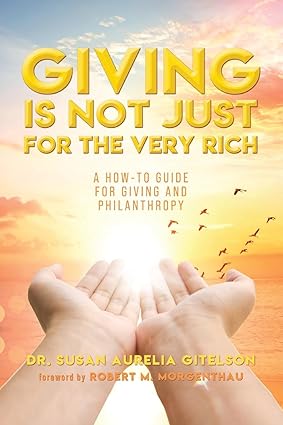
Drawing insight from Susan Aurelia Gitelson’s book Giving Is Not Just for the Very Rich, this article explains how philanthropy fits into everyday language, academic writing, and reflective conversation. The book reinforces the idea that meaningful contributions are not limited to wealth but are available to people at every stage of life.
What Does Philanthropy Mean in Everyday Language?
Philanthropy refers to intentional actions and decisions that support the well-being of other people in need, often through time, resources, or organized efforts. While the term is sometimes associated with large donations or grants, its meaning extends far beyond financial contributions. Susan Aurelia Gitelson emphasizes that philanthropy includes personal involvement, advocacy, and thoughtful support for causes that elevate society’s citizens.
In everyday language, philanthropy often appears in conversations about education, healthcare, culture, and community development. Therefore, the word functions best when used with clarity and context. For example, a sentence can highlight motivation, impact, or personal values without exaggeration. Clear usage keeps the message accessible and precise.
Why Sentence Examples Matter When Using “Philanthropy”
Sentence examples help clarify how a word functions in real communication. As many readers understand definitions but struggle with application, having examples removes uncertainty and shows how philanthropy fits naturally into different sentence structures.
In Giving Is Not Just for the Very Rich, Gitelson uses direct language and practical examples to reinforce how philanthropy can be described without complexity or exclusivity. It’s crucial to note that clear examples prevent misuse. Additionally, philanthropy should not be confused with casual assistance or vague kindness. It means that proper sentence structure ensures the term retains its meaning and purpose.
Sentence Examples Using “Philanthropy” in Personal Contexts
Personal writing often reflects values, experiences, and motivations. Hence, philanthropy fits naturally into reflective sentences that describe purpose or involvement when it comes to giving, charity, and generosity.
Example:
Philanthropy became a personal priority after volunteering with local education programs.
This sentence connects philanthropy to volunteers’ lived experience. Moreover, it highlights action and intention.
Example:
Her interest in philanthropy developed through years of community involvement and mentorship.
Here, philanthropy links to growth over time. The sentence shows progression and commitment.
These examples reflect themes discussed in Gitelson’s work, where philanthropy grows from awareness and personal choice rather than obligation or a pushed agenda.
Using “Philanthropy” in Academic and Professional Writing
Academic and professional writing requires precision, accurate details, and a formal format. Philanthropy often appears in research papers, reports, and policy discussions. And so, clear sentence structure supports credibility and clarity.
Example:
The study examined how philanthropy influences access to higher education across income groups.
This sentence uses philanthropy as a measurable concept tied to outcomes.
Example:
Corporate philanthropy has a significant role in funding public health initiatives.
This structure clearly identifies scope and function. Moreover, it avoids emotional language while maintaining clarity.
Professional usage benefits from context. The term should connect directly to impact, data, or documented outcomes. And so, Gitelson’s research-based approach supports this clarity by combining statistics with real-world examples.
Sentence Examples That Show Philanthropy in Action

All about being passionate | Image Source: Unsplash
Effective sentences show action and avoid vague intention or reasoning. Therefore, action-based examples help readers visualize impact. In this way, people see the visual representation of what philanthropy actually means for communities.
Example:
The foundation expanded its philanthropy by supporting literacy programs in underserved areas.
This sentence identifies who acted, what changed, and where the impact occurred.
Example:
Local leaders encouraged philanthropy as a way to strengthen community partnerships.
Here, philanthropy becomes a strategy that uplifts other people, especially those in need of immediate assistance or action. Action-oriented examples align with Gitelson’s emphasis on practical involvement and measurable contribution
Distinguishing Philanthropy from Similar Terms
Other related concepts and topics appear closely with the word philanthropy. However, the other terms carry distinct meanings that differ from what philanthropy really means to the masses. One sentence can clarify this difference when written carefully.
Example:
Unlike casual donations, philanthropy involves long-term commitment and strategic planning.
This sentence establishes contrast and definition. Importantly, this sentence shows a part of the process that philanthropic missions do. While it does not fully explain the purpose of philanthropy, it shows readers the goals or obligations.
Example:
Philanthropy supports sustainable programs rather than short-term relief alone.
Such distinctions reflect the structure used throughout Giving Is Not Just for the Very Rich, where thoughtful contribution is presented as intentional and informed. People who are willing to give their time and effort support a cause that makes a difference in the world.
Common Mistakes to Avoid When Using “Philanthropy”
Misuse often occurs when the term feels forced, vague, or blurred. Avoid placing philanthropy into sentences without a clear purpose.
Incorrect:
Philanthropy is something good that people do sometimes.
Corrected:
Philanthropy describes intentional efforts that support long-term social improvement.
Another common mistake involves exaggeration. Not every helpful action qualifies as philanthropy. And so, precision maintains credibility.
Examples in Reflective and Inspirational Writing
Philanthropy also appears in reflective essays, speeches, and inspirational content. In these cases, clarity remains essential.
Example:
Philanthropy shaped her perspective on responsibility and community engagement.
This sentence balances reflection with clarity.
Example:
Through philanthropy, individuals can align personal values with meaningful action.
Such examples encourage reflection without losing definition.
How Philanthropy Fits into Modern Conversations
Modern discussions often include social responsibility, equity, and civic engagement, especially during this time. And so, philanthropy appears frequently in these contexts.
Example:
Philanthropy continues to influence educational access and cultural preservation worldwide.
This sentence places philanthropy within a global framework.
Example:
Youth-led philanthropy programs are changing how communities approach social challenges.
This example highlights evolution and participation across generations, a theme also addressed in Gitelson’s work. Right now, different people from various generations have come together to help others in need.
Learning and Practicing Philanthropy
Mastering sentence examples using “philanthropy” strengthens communication and deepens understanding of social contribution. Giving Is Not Just for the Very Rich by Susan Aurelia Gitelson provides a detailed, accessible framework for understanding how philanthropy functions in real life and language.
Readers interested in improving writing skills, teaching vocabulary, or exploring purposeful contributions are encouraged to study clear examples and apply them in daily communication. Thoughtful language supports thoughtful action, and accurate usage ensures meaningful ideas are shared with clarity and purpose. If you want a copy of the book, you can download it today.

0 Comments
Trackbacks/Pingbacks