

Photo by Drazen Zigic
Looking at sample philanthropy resumes can show you how people build a career in giving.
You do not need to be a billionaire to make a difference.
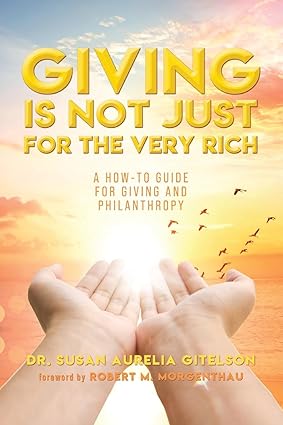
Dr. Susan Aurelia Gitelson proves this in her book Giving Is Not Just for the Very Rich.
“The common thread is to show people who are improving the world in varied ways that benefit others and simultaneously enhance their own lives.”
This article will use ideas from her book to show you how to build your own story in philanthropy. We will look at what to put on a resume and how to report on your work; hopefully, this will help you show others the good that you are doing in the world.
Why Your Story Matters
Your work in philanthropy is a story–it is a story of your values and your actions. A resume or a report tells this story by showing people your passion and your results.

Photo by DC Studio
Dr. Gitelson says your life will be enriched greatly when you volunteer or devise special programs to help others.
“The process of empathizing with others can help alleviate your preoccupation with your own problems.”
When you write down your work, you create a record of it for everyone to see and learn from. This record can help you get a job, find partners, or inspire others.
Your resume and your report prove that you are someone who gets things done.
Building Your Philanthropy Resume
A strong resume shows others and potential partners that you can lead and help others. Let’s look at what to include, using ideas from the book.
Start with the “why”. Why are you in philanthropy and charity in the first place? Thus, your resume should start with your mission. Write about what you care about and explain, succinctly and compellingly, why you are passionate about education, health, or the environment.
Dr. Gitelson advises you to “decide what your major values and motivations are.”
This is your personal mission statement. Put it at the top of your resume.
Show your experience. You do not need a fancy job title to have experience. Have you volunteered at a food bank? Organized a school fundraiser? Led a team of volunteers? This all counts.
In her book, Gitelson highlights volunteers who help in many imaginative ways. List the roles you’ve had over the years and, for each one, write what you did and what you achieved.
List all of your skills. Charitable work will always be in need of as many skills as possible. Are you good at talking to people? Can you manage money? Can you plan an event?
Dr. Gitelson talks about the importance of good management, quoting philanthropist Peter B. Lewis, who believed “philanthropy should be treated like a business.”
SAMPLE RESUME
Jane Doe
(123) 456-7890 | [email protected] | linkedin.com/in/janedoephilanthropy
DIRECTOR OF PHILANTHROPY
Strategic and results-driven fundraising leader with 12+ years of experience growing philanthropic revenue and leading high-performing teams. Expert in major gifts, capital campaigns, and donor relations.
Professional Experience
Director of Philanthropy | The Urban Arts Initiative, Seattle, WA | 2018 – Present
- Increased major gifts revenue by 75% ($2.5M to $4.4M annually).
- Secured the largest gift in the organization’s history: a $5M transformative donation.
- Led a successful $15M capital campaign, exceeding the $12M goal.
- Grew corporate partnerships by 40% and revitalized the planned giving program.
- Managed a portfolio of 150+ major donor prospects and led a team of three.
Senior Major Gifts Officer | Pacific Northwest University, Portland, OR | 2014 – 2018
- Consistently exceeded annual fundraising goals, closing an average of $2.5M in gifts annually.
- Secured a $2M foundation grant to establish a new AI research lab.
Core Competencies
Fundraising: Major Gifts | Capital Campaigns | Grant Writing | Corporate & Foundation Relations
Leadership: Fund Development Strategy | Board Engagement | Team Leadership & Mentoring
Education
Master of Public Administration (MPA) | University of Washington
Creating Powerful Event Reports
After you hold an event, a report needs to be written about it.
A good report shows donors and supporters that their time and money were well spent and that they don’t need to worry about anything the next time they partner with you or your organization.
Reports build trust and help you do more in the future.
What to Include in Your Report
A philanthropy event report template can be extremely beneficial in guiding you–you can find plenty of these with a cursory Google search.
Regardless, remember that your report should tell a clear story of the event.
Start with the goal. Make it widely known why you held the event in the first place. Was it to raise money? To collect food? To teach people?
Dr. Gitelson writes about the importance of having clear goals. State your goal at the start of the report.
Show the numbers. How much money did you raise? How many people came? How many meals did you provide? Numbers help people see your impact. The book mentions that Americans give around $300 billion a year to charitable causes. Your small part of that is important. Show it.
Tell the human story. While numbers are important, they are not everything. Include photos and quotes. Did someone thank you for your help? Did a volunteer have a great experience? Dr. Gitelson says, “People who give are usually happier than those who do not.” Share stories that show the joy and the help your event created.
A Corporate Social Responsibility Report Structure
Businesses that give back often use a corporate social responsibility report structure. You can use a simple version that often includes:
- A letter from the leader.
- The mission and goals.
- A summary of activities and their impact.
- Financial details.
- Goals for the future.
Your event report can follow this same simple plan.

Photo by rawpixel.com
Learning from the Best
To create the best philanthropy resume or report, learn from people who are already successful.
Dr. Gitelson’s book is full of examples. She writes about Bill Gates, who focuses on “picking things that if they work have a huge impact.” She also describes Melinda Gates, who searches for “strategic intervention points.”
Think about how you can show this kind of strategic thinking on your resume.
Your Next Steps
Your work in philanthropy is valuable, and writing it down makes it powerful. Looking at sample philanthropy resumes and reports is the first step.
Then, you can build your own.
You can show the world the good you are doing.
Dr. Gitelson’s core idea is that “the more you give to others the happier you are likely to become.” Let your resume and reports be a record of that happiness and that impact.
To discover more inspiring stories and practical guidance on your giving journey, get your copy of Dr. Susan Aurelia Gitelson’s book, Giving Is Not Just for the Very Rich.

0 Comments