

Volunteering has often meant showing up to pack boxes, serve meals, or answer phone calls and messages. While these activities remain essential, a new paradigm has emerged that harnesses professional expertise for social good. Skills-based volunteering ideas encompass opportunities where individuals contribute their professional abilities—marketing, finance, technology, legal counsel, human resources—to strengthen nonprofit organizations. This approach recognizes that the same expertise that drives careers can also drive meaningful change.
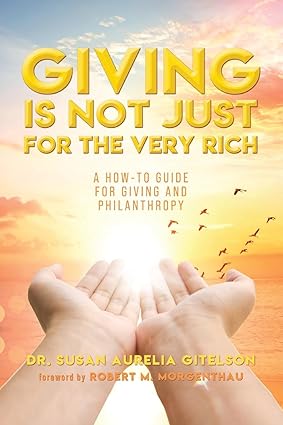
Susan Aurelia Gitelson’s book Giving Is Not Just For The Very Rich champions the idea that everyone has something valuable to contribute, and skills-based volunteering extends this principle by matching professional capabilities with organizational needs.
What Makes Skills-Based Volunteering Different
Traditional volunteering often involves tasks that require minimal training and can be performed by anyone willing to help. Skills-based volunteering, in contrast, leverages specialized knowledge and expertise. A graphic designer might create branding materials for a nonprofit. A human resources professional might help develop volunteer recruitment systems. An accountant might assist with financial planning or tax preparation.
The distinction matters because nonprofits frequently struggle with the same challenges that for-profit organizations face—strategic planning, technology implementation, marketing, fundraising—but lack the resources to hire professionals to address them. Skills-based volunteers fill this gap, providing expertise that would otherwise be inaccessible to organizations operating on lean budgets.
This approach transforms volunteering from unskilled labor to professional volunteering, where donors contribute their most valuable asset—their knowledge and experience. Gitelson’s book emphasizes that giving encompasses time and talent as well as treasure, and skills-based volunteering represents this principle in action.
The Growing Demand for Pro Bono Service
Nonprofit organizations increasingly recognize that strong operations require professional expertise. A food bank needs efficient inventory management. An after-school program needs effective fundraising strategies. A community health clinic needs compliant data systems. These needs cannot be met by volunteers without specialized training.
Pro bono volunteer work has grown significantly as professionals seek ways to contribute their skills to causes they care about. A single marketing professional volunteering ten hours monthly could provide the equivalent of tens of thousands of dollars in annual services to an organization that could never afford to hire such expertise.
The impact extends beyond the immediate service. When professionals share their expertise, they build capacity within organizations. A volunteer who trains staff on basic accounting practices leaves lasting knowledge that serves the organization long after the volunteer’s direct involvement ends.
Areas of Skills-Based Volunteering
Skills-based volunteering spans virtually every professional discipline. Expertise-driven volunteering opportunities exist for nearly any profession.
Marketing and communications professionals can help nonprofits craft compelling messages, develop branding strategies, manage social media campaigns, or write grant proposals. Many organizations struggle to tell their stories effectively; skilled communicators can transform how they connect with donors and communities.
Technology professionals are in particularly high demand. Nonprofits need websites that work, databases that function, and systems that protect sensitive information. Digital skills volunteering encompasses everything from building websites to managing donor databases to creating cybersecurity protocols. A single tech professional can transform an organization’s digital capabilities.
Finance and accounting professionals can assist with budgeting, financial planning, audit preparation, and tax compliance. Small nonprofits often lack the expertise to manage finances efficiently, leaving resources unspent or opportunities unexplored. Skilled financial volunteers ensure that every dollar works toward the mission.
Human resources professionals can help develop volunteer programs, create employee handbooks, establish recruitment processes, or provide training for paid staff. These contributions strengthen organizations from the inside, creating systems that support sustainable operations.
Legal professionals can provide guidance on incorporation, governance, contract review, intellectual property protection, or regulatory compliance. Nonprofits navigate complex legal requirements; pro bono legal support helps them avoid costly mistakes.
Strategic planning and management expertise help organizations think systematically about their futures. Experienced business leaders can facilitate strategic planning sessions, help develop measurement systems, or provide executive coaching to nonprofit leaders.
Mentorship and coaching volunteering represent another vital area. Experienced professionals can guide emerging leaders, helping them develop skills, navigate challenges, and build confidence. This form of volunteering multiplies impact by investing in the people who will continue driving organizational success.
Benefits for Volunteers

Skills-based volunteering benefits both the volunteer and the organization. Professionals gain opportunities to practice skills in new contexts, build portfolios of pro bono work, and expand professional networks. Many find that volunteering reconnects them with the purpose that drew them to their professions initially.
For early-career professionals, skills-based volunteering builds experience and demonstrates commitment to social impact. For mid-career professionals, it provides leadership opportunities that may not be available in current roles. For retirees, it offers meaningful engagement that leverages decades of accumulated expertise.
The social returns for volunteers include increased job satisfaction, expanded professional networks, and a renewed sense of purpose. Volunteering skills can also fill gaps in resumes, demonstrate commitment to causes, and provide examples of leadership and initiative.
Advantages for Nonprofits
For nonprofits, skills-based volunteering provides access to expertise that would otherwise be unaffordable. Organizations can accomplish projects that have languished due to a lack of capacity. They can strengthen operations, improve communications, and build systems that support long-term sustainability.
Beyond immediate project completion, skills-based volunteers build organizational capacity. A volunteer who develops a volunteer management system creates lasting infrastructure. A volunteer who trains staff on database use leaves skills that persist. A volunteer who helps develop a strategic plan provides direction that guides decisions for years.
Gitelson’s book emphasizes that giving is accessible to everyone, and skills-based volunteering extends this principle by enabling professionals to contribute at the highest level of their abilities. For organizations with limited budgets, these contributions transform what is possible.
Knowing the Capabilities and Contributions
Skills-based volunteering ideas expand the possibilities for meaningful contribution beyond traditional volunteering. By offering professional expertise—whether in marketing, technology, finance, law, or management—individuals can strengthen nonprofit organizations in ways that money alone cannot achieve.
Susan Aurelia Gitelson’s Giving Is Not Just For The Very Rich reminds readers that everyone has something valuable to give, and skills-based volunteering demonstrates this truth powerfully. The graphic designer, accountant, lawyer, and human resources professional all have gifts that organizations desperately need. By contributing these skills, volunteers multiply their impact, creating lasting capacity that extends far beyond the hours they give. So, don’t miss the opportunity and grab a copy of Giving Is Not Just For The Very Rich right now!

0 Comments