

In conversations about generosity and benevolence, the phrase philanthropy vs charity often surfaces, yet many people use the terms interchangeably. However, while both involve compassion and action, they differ significantly in scope, strategy, and long-term impact.
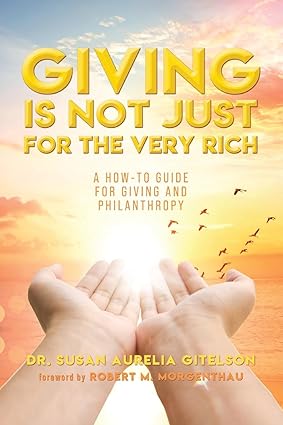
Susan Aurelia Gitelson’s book Giving Is Not Just for the Very Rich provides a thoughtful framework for distinguishing between immediate acts of kindness and sustained, strategic efforts to improve society. Through vivid examples and practical guidance, she clarifies how intentional giving can move beyond temporary relief toward meaningful and incredible transformation.
Defining Charity: Immediate Relief and Compassionate Response
Charity typically focuses on addressing urgent needs. It responds to crises such as natural disasters, hunger, homelessness, or medical emergencies. For example, food banks, emergency shelters, and disaster relief organizations operate primarily through charitable contributions that meet immediate necessities.
Contributions coming from different households help distribute meals, provide temporary housing, and supply emergency healthcare. In moments of crisis, charity acts swiftly and decisively.
However, charity often addresses symptoms rather than root causes. While providing meals alleviates hunger today, it may not address systemic poverty that ravages a community. Nevertheless, it’s essential to understand that charity remains indispensable. It saves lives, stabilizes communities, and expresses human empathy in tangible ways.
Defining Philanthropy: Strategic, Long-Term Change
In contrast, philanthropy generally emphasizes systemic solutions. It seeks to identify the underlying challenges in that particular setting and invest in sustainable improvement. Philanthropy may fund education reform, medical research, public policy initiatives, or cultural institutions. Instead of focusing solely on the area’s immediate needs, it considers future impact—the potential result of the project’s success.
Gitelson highlights how thoughtful contributors evaluate organizations, measure outcomes, and align contributions with personal values. This approach transforms giving into a deliberate, strategic endeavor that requires research, patience, and vision.
Moreover, philanthropy often involves active engagement. Donors may serve on boards, establish scholarships, or create foundations. Through such initiatives, they strive to generate enduring societal benefits.
Core Differences Between Charity and Philanthropy
Understanding charity vs philanthropy becomes clearer when examining their distinctions. Below are three fundamental differences explained in depth.
1. Time Horizon and Purpose
First, charity typically concentrates on short-term relief. It addresses urgent problems such as hunger, illness, or disaster recovery. For instance, after a hurricane, charitable organizations distribute food, water, blankets, and clothes. These actions are critical and lifesaving.
Philanthropy, however, examines how to prevent similar crises in the future. It may support climate research, infrastructure resilience, or educational programs that prepare communities for various emergencies. Therefore, its purpose extends beyond immediate intervention.
Additionally, philanthropy encourages measurable outcomes. Foundations often track metrics to evaluate effectiveness. By contrast, charity may prioritize speed and compassion over long-term analysis.
2. Scale and Structure
Second, charity often involves spontaneous or individual acts. A person might donate clothing, volunteer at a soup kitchen, or contribute to a relief fund. These acts demonstrate kindness and solidarity.
Philanthropy tends to operate on a broader scale. It may involve establishing endowments, funding research institutions, or creating community foundations. Structured governance ensures accountability and continuity.
Furthermore, philanthropic initiatives frequently collaborate with governments and nonprofits to amplify impact. Such partnerships enhance sustainability. Therefore, structure and scale distinguish philanthropic endeavors from more immediate charitable gestures.
3. Impact Orientation and Evaluation
Third, philanthropy prioritizes impact assessment. And so, donors often research financial transparency, leadership quality, and program effectiveness before contributing. The book emphasizes evaluating charities carefully to ensure resources achieve meaningful results.
Charity, while compassionate, may not always involve extensive evaluation. In urgent situations, rapid response takes precedence. However, philanthropy incorporates strategic planning and measurable benchmarks.
As a result, philanthropy seeks transformative change. Charity seeks relief and comfort. Together, they form complementary aspects of generosity.
The Role of Individual Participation

Meaningful giving or altruism is accessible to individuals at every economic level. Small recurring contributions, volunteer leadership, and advocacy can collectively produce a substantial impact on society.
Moreover, individuals can combine charitable acts with strategic thinking. For example, volunteering at a literacy program addresses immediate educational needs. Simultaneously, supporting policy initiatives that improve school funding reflects philanthropic foresight. Thus, philanthropy vs charity does not represent a competition but rather a spectrum of engagement. It’s more than donations—it’s about sharing a piece of oneself to the greater good.
Ethical and Social Implications
The distinction also carries ethical significance. Charity reflects compassion and empathy. It responds to human suffering with immediacy. Philanthropy embodies foresight and civic investment.
However, critics sometimes question philanthropy’s influence. Large-scale donors may shape public policy or cultural institutions. Therefore, transparency and accountability remain essential. Effective philanthropy balances ambition with ethical stewardship.
Meanwhile, charity reinforces communal bonds. Neighbors helping neighbors foster trust and solidarity. In times of crisis, charitable networks demonstrate resilience and unity.
Consequently, a balanced approach that integrates both relief and reform often proves most effective.
Practical Steps to Transition from Charity to Philanthropy
For individuals seeking to deepen impact, the following steps provide guidance:
1. Clarify Core Values
Begin by identifying personal priorities. Education, healthcare, environmental sustainability, or cultural preservation may resonate strongly. Reflection enhances intentionality and prevents scattered contributions. By focusing on specific causes, donors increase effectiveness.
2. Research and Evaluate Organizations
Examine financial statements, leadership credentials, and program outcomes. Watchdog agencies and transparency reports provide valuable insights. The book emphasizes due diligence as a cornerstone of meaningful giving. Informed decisions strengthen confidence and impact.
3. Diversify Contributions Strategically
Combining short-term charity with long-term philanthropy creates balance. For example, emergency relief donations can coexist with endowment funding for education reform. Diversification mitigates risk and broadens reach.
4. Engage Beyond Financial Support
Participation may include mentoring, board service, or advocacy. Time and expertise often prove as valuable as monetary contributions. Active involvement fosters deeper commitment and measurable results.
5. Measure Outcomes and Adjust Accordingly
Track the impact of contributions over time. If programs demonstrate limited results, consider redirecting support. Continuous evaluation ensures alignment with goals.
A Broader Perspective on Generosity
Generosity begins with empathy but matures through intention. Individuals inspired to deepen their impact should consider developing a giving plan that balances immediate assistance with long-term strategy. Reviewing nonprofit transparency reports, establishing recurring contributions, and participating in community foundations can amplify effectiveness.
Ultimately, reflecting on philanthropy vs charity encourages a more nuanced approach to generosity. Rather than choosing one over the other, thoughtful individuals integrate both. Immediate relief addresses present suffering. Strategic investment shapes a better future.
By embracing informed, purposeful giving, contributors at every level strengthen communities and advance social progress. The path toward transformative change begins with a single, intentional step. Grab your copy of Giving Is Not Just for the Very Rich right now!

0 Comments