

When considering how to support charitable causes, donors face a fundamental choice: make a single gift now or commit to ongoing monthly contributions. Understanding the monthly giving vs one-time donation decision helps donors maximize their impact while aligning with their personal circumstances and preferences.
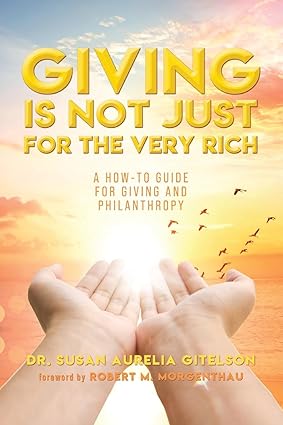
Susan Aurelia Gitelson’s indispensable book Giving Is Not Just For The Very Rich empowers everyday donors to make informed choices about their giving, regardless of budget size. This article explores the key differences between these giving approaches, helping readers determine which strategy—or combination—best serves their philanthropic goals.
The Shifting Landscape of Charitable Giving
Recent data reveals significant trends in how individuals support nonprofits. While overall donor counts declined by 8% from 2023 to 2024, total revenue remained remarkably stable—down just 2%. This resilience stems largely from increases in donor value and the growing importance of recurring donors. Revenue per donor rose from $156 in 2020 to $181 in 2024, reflecting a five-year trend of increasing cumulative value.
The contrast between giving methods tells an important story. From 2023 to 2024, the number of donors making only single gifts fell by 11%, while the number of recurring donors decreased by just 1%. Over the five-year period since 2020, single-gift donors declined by 27%, underscoring the unpredictable nature of one-time giving. Meanwhile, recurring donors increased 17%, proving their resilience in a shifting fundraising landscape.
Recurring giving now represents a significantly larger share of both donors and revenue. In 2024, 23% of donors gave on a recurring basis, up from 16% in 2020. These donors contributed 32% of total revenue, up from 26% five years ago. This shift reflects both donor preference and organizational investment in sustainer programs.
The Case for One-Time Donations
One-time gifts offer distinct advantages for certain situations and donor preferences. They provide flexible giving options that accommodate irregular income, unexpected expenses, or the desire to respond to specific appeals. A donor might give a single gift after a natural disaster, in response to a year-end campaign, or when a particular cause captures their attention.
Single gifts also allow donors to distribute their charitable dollars across multiple organizations throughout the year without tracking numerous recurring commitments. This approach suits individuals who prefer to evaluate each giving decision independently.
The Power of Monthly Giving
Monthly giving transforms charitable support from sporadic gestures into consistent support for causes. The benefits extend to both organizations and donors themselves.
For nonprofits, recurring gifts provide predictable, reliable revenue that enables better budgeting and long-term planning. A Vanguard Charitable study confirms that automatic recurring gifts provide dependable funding during traditionally low-revenue periods—for example, accounting for 25% of gifts made in July 2024, typically a slow month for charitable giving. Seventy-two percent of nonprofits prefer to receive gifts between January and September, precisely when automatic recurring grants bridge critical funding gaps.
For donors, monthly giving offers convenience and cumulative impact. Once established, recurring gifts require no further action—they simply continue supporting causes the donor cares about.
Long-Term Value Comparison
The monthly giving vs one-time donation comparison becomes clearest when examining long-term donor behavior. Research from the Blackbaud donorCentrics program reveals striking differences:
- 55% of donors acquired through recurring giving in 2022 were still giving in 2024
- Only 15% of donors acquired with a single gift in 2022 were still giving in 2024
The 13-month retention rate for new recurring donors was 47% in 2024, while first-year retention of donors acquired through single gifts was just 20%. The overall retention rate for recurring gift donors was 81%, compared to 46% for single-gift-only donors.
These statistics matter because acquiring new donors costs 5 to 7 times as much as retaining existing donors. Long-term charitable support from recurring donors reduces fundraising costs and allows more resources to flow directly to the mission.
Profile of the Monthly Giver
Who becomes a recurring donor? There are a few criteria that make people more likely to become monthly givers instead of one-time givers. Monthly givers are more likely to be:
- Under 35
- Full-time employee
- Living with children (children also contribute)
- Urban dwellers
- Higher income
- Highly religious
Attitudinally, monthly givers tend to be more reflective and socially influenced in their giving decisions. They are more likely to report giving due to feelings of responsibility, social expectations, and religious beliefs. They also express both higher trust in nonprofits and greater scrutiny of nonprofit efficiency.
Gitelson’s Giving Is Not Just For The Very Rich emphasizes that the meaning of philanthropy extends beyond writing checks. The book highlights countless ways everyday donors can contribute—volunteering as museum tour guides, tutoring children, collecting canned goods, or giving blood. These non-monetary contributions complement financial giving and deepen donor engagement.
Factors to Consider in Your Decision

Choosing between monthly and one-time giving involves several personal considerations:
Budget stability: Donors with predictable income may find monthly giving easier to sustain. Those with variable income might prefer one-time gifts when funds allow.
Administrative preference: Monthly giving requires initial setup but minimal ongoing attention. One-time gifts require separate decisions for each contribution.
Connection to organizations: Monthly donors often develop stronger relationships with nonprofits, receiving regular updates and seeing impact unfold over time.
Tax planning: Some donors prefer to concentrate giving in certain years for tax purposes, making one-time gifts more suitable.
Portfolio approach: Many donors combine both methods—maintaining monthly commitments to core organizations while making additional one-time gifts for special appeals or new causes.
Making Your Gift Count
Whatever approach you choose, ensuring your donation reaches effective organizations matters tremendously. Gitelson’s book provides practical guidance for vetting nonprofits, highlighting watchdog agencies like Charity Navigator (evaluating over 55,000 charities), Great Nonprofits (gathering personal reviews), Give Well (ranking charities by category), and the Better Business Bureau.
These resources help donors evaluate transparency, accountability, and reliability—essential steps whether making one-time or recurring gifts. As Gitelson emphasizes, informed giving ensures contributions create meaningful change regardless of size.
The Impact of Your Gift
The monthly giving vs one-time donation decision ultimately depends on individual circumstances, preferences, and goals. One-time gifts offer flexibility and respond to immediate needs. Monthly giving provides organizations with reliable support while building deeper donor engagement and delivering greater cumulative impact.
Susan Aurelia Gitelson’s Giving Is Not Just For The Very Rich reminds readers that neither approach requires vast wealth. Every donor, regardless of budget, can make meaningful contributions—whether through monthly commitments, one-time gifts, or non-monetary support like volunteering. The key is intentionality: understanding what you hope to accomplish and choosing approaches aligned with those goals. Grab a copy of Giving Is Not Just For The Very Rich today!

0 Comments