

While others are aiming for professions that match the things they enjoy doing, like fashion and art, there are many people searching for a meaningful path that’s focused on leaving an impact on society. Individuals are looking for answers to the question of how to get a job in philanthropy.
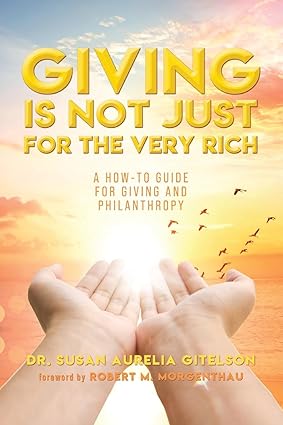
Direct background in nonprofit service can help an applicant, but the right attitude and expertise are essential for landing the position. A compassionate heart paired with excellent communication skills can put anyone in the front line. Susan Aurelia Gitelson’s book, Giving Is Not Just for the Very Rich, explains that contribution begins with intention and participation, especially for those looking to join the philanthropic industry.
Therefore, a career in giving begins the same way philanthropy itself begins: with action. This guide explains practical steps to enter the field, real organizations that hire beginners, and how to build credibility without formal experience. Start reading now!
Why Philanthropy Careers Are Accessible to Beginners
Many industries, companies, and organizations require technical credentials before entry. But for philanthropic ventures, it’s quite different. Nonprofit organizations rely heavily on motivation, reliability, and empathy. Volunteers, workers, and leaders share the same goal—helping the institution reach its humanitarian or altruistic objectives and ambitions.
Because of this, these organizations value commitment more than titles, personal achievements, and technical work. So, it’s accessible for beginners as it does not require prior experience before the applicant’s message or intention to work with the firm.
Philanthropy careers include fundraising, outreach, research, communications, program support, and event coordination. These roles develop skills rather than demand mastery at the start. If you are on a nonprofit job search or an entry-level philanthropy apprenticeship, here are eight steps you can use. You can start a career with no experience in this field.
Step One: Start With Purpose Instead of a Résumé
The first step in learning how to get a job in philanthropy is identifying causes that matter personally to you. Passion directs effort, and effort produces experience. Employers often prefer candidates who care deeply about a mission or goal rather than candidates who only seek employment for a fleeting moment.
And so, a person has to choose one focus, such as education, health, housing, or environmental protection. Then, they have to study the organizations active in that space. Reading annual reports and the impact page helps build familiarity with language and goals. From there, the individual can check which firms are close to the heart.
Motivation equals commitment, especially if the person wants to be part of that advocacy.
Step Two: Begin a Nonprofit Job Search Through Volunteering
Volunteering is the most reliable entry point for any organization or advocacy. Even a few hours weekly builds exposure to operations and people. Tasks may include administrative assistance, outreach calls, or event preparation.
Moreover, volunteering also develops credibility for the future employee. Supervisors observe reliability and teamwork directly. Therefore, a volunteer’s overall performance has to be proven by their current attitude, ethics, amicable nature, and skills.
For beginners, volunteering converts interest into verified experience—an inspiration to continue the work.
Step Three: Build Transferable Skills Immediately
Philanthropy roles depend on communication and organization. In particular, volunteers need to adapt when necessary for their professional careers. Skills from retail, hospitality, education, or customer service translate effectively. For example, answering customer questions mirrors donor communication, and scheduling shifts resembles coordinating events.
Hence, you have to document each skill carefully and maintain records of tasks completed and results achieved. It might look small, but these small achievements demonstrate initiative and willingness.
This approach creates confidence and prepares candidates for interviews. Experience grows from daily actions rather than waiting for opportunity.
Step Four: Gain Entry-Level Philanthropy Experience Through Projects
It’s important to note that short projects and events accelerate learning. To showcase your skills, you can offer to coordinate a small fundraiser, organize supplies, or create a social media campaign. These projects produce measurable results, which strengthen applications.
Organizations often welcome initiative because resources remain limited. A beginner who solves small problems becomes valuable quickly. It can be seen as initiatives that signal long-term potential and growth.
This stage transforms volunteer participation into professional credibility. And a single completed, successful project carries incredible weight not only for the volunteer but also for the organization.
Step Five: Demonstrate Commitment by Learning Constantly
Reading and learning work together to ensure that a person has all the information they need to succeed. Later on, perspective is sharpened and deepened, ensuring that the individual knows what they can contribute to the organization. Knowledge strengthens interviews and workplace performance.
You can follow nonprofit newsletters and sector publications to learn common terms like donor stewardship, grant writing, and impact measurement. Familiar language reduces the gap between beginner and professional. It also shows that you prepared for the work. Continuous learning proves dedication even without employment history in the field.
Step Six: Apply Strategically to Trusted Organizations
Certain organizations regularly welcome beginners because they operate large programs requiring constant coordination and support. With that in mind, you should consider applying for positions in large firms like United Way Worldwide, Habitat for Humanity, American Red Cross, YMCA, and Feeding America.
These organizations manage extensive community programs and rely on early-career staff. They provide training, mentorship, and advancement pathways. You can definitely grow in that sphere.
Step Seven: Transition from Volunteer to Professional
Many individuals achieve starting a career with no experience by requesting additional responsibility after consistent volunteering. Supervisors often recommend reliable volunteers when positions open.
Prepare for this transition by updating your résumé to highlight concrete achievements. Include numbers whenever possible, such as events coordinated, participants reached, or funds supported. Professional references also develop naturally during this phase as relationships bloom after working together.
Step Eight: Prepare for Interviews with Real Stories
Interviewers in philanthropy value examples of real work—the projects you’ve participated in, the events you’ve completed, the problems solved, and the little essential moments that you’ve shone for the organization. Authentic experiences have greater weight than well-versed letters.
Hence, in preparation, you have to explain lessons learned and improvements made. Take time to reflect on the growth you’ve accomplished and show that you are willing to learn more.
Getting Your Dream Job

Volunteers in a center | Image Source: Freepik
The nonprofit sector continues to expand. Education, health, climate, and community development organizations require ongoing staffing. Entry roles often lead to specialized positions in fundraising, program management, or advocacy.
If you want to be part of this industry, you can begin by choosing an organization you want to be a part of. You can also begin by reading Susan Aurelia Gitelson’s Giving Is Not Just for the Very Rich. Begin your philanthropy journey today!

0 Comments
Trackbacks/Pingbacks