

The word “philanthropy” often conjures images of billionaire donors, massive foundations, and seven-figure checks—in front of newspapers or magazines, smiling and waving to the camera. This narrow perception has convinced countless middle-class families that charitable giving lies beyond their reach. But, honestly, that’s not true.
The reality is that philanthropy for middle-class families is not only possible but essential to the health of communities and nonprofits nationwide. These strong-willed families make an indispensable difference to how charities, nonprofit organizations, and alliances move.
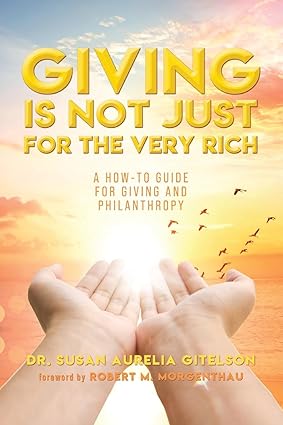
Susan Aurelia Gitelson’s essential book Giving Is Not Just For The Very Rich dismantles the popular myth that meaningful giving requires vast wealth and a hefty paycheck. Instead, the book offers practical guidance for families of modest means who desire to make a difference. This article explores how ordinary families can practice philanthropy with purpose, joy, and lasting impact.
The Vital Role of Everyday Donors
Collectively, most of the everyday donors come from ordinary households and families. While it may look meager, middle-class families share a portion of their earnings to help other people. The pattern of assisting those in need repeats across the country, demonstrating that modest gifts, when multiplied across millions of households, create an enormous impact. It isn’t isolated to one region or city.
For families wondering whether their contributions matter, the evidence is clear. Nonprofits depend heavily on modest giving from ordinary households. Gifts from numerous households not only pay for electricity, extra items in the closet, food in the pantry, but also for security personnel. The financial support makes purchasing books, playground equipment, chairs, and clothes easier, too. Aside from monetary aid, donors become involved with the organization and build friendships and bonds—a relationship that lasts a lifetime.
Aligning Giving with Family Values

The foundation of meaningful philanthropy for middle-class families begins with clarity about values. What matters most to your family? What issues spark passion in conversations around the dinner table? What kind of world do you hope to help create?
Gitelson’s book guides readers through this essential discernment process, helping families identify causes that resonate with their deepest commitments. This alignment transforms giving from obligation into joy. When donations flow toward causes genuinely cared about, the act of giving becomes its own reward.
In order to empower family members, it’s important to ask the right questions. This approach honors each person’s perspective while building family unity around shared purpose. For families seeking family philanthropy ideas that engage multiple generations, this values-based conversation provides an accessible starting point.
Practical Strategies for Giving on a Budget
Thoughtful planning and involvement enable families to give consistently without straining household finances. Several strategies make this possible:
Percentage Instead of Fixed Amounts
Think of it as categorizing and budgeting the money. Instead of choosing a specific amount, it’s best to use a percentage. In this way, families can still allocate funds despite lower incomes or unexpected changes in earnings. This approach adjusts naturally to income fluctuations, maintaining giving even during lean months while allowing generosity to expand when circumstances improve.
Automate Recurring Donations
Many organizations can set up monthly contributions to spread gifts throughout the year. For instance, families can set up a “birthday gift” for their selected organization. It’s been part of the budget planning since the start of the year. This strategy transforms giving from occasional decision-making into a consistent practice.
Leverage Employer Matching Gifts
Some employers match employee donations, effectively doubling the impact of family giving. Checking whether this benefit exists costs nothing but can significantly amplify affordable ways to give back.
Start Small and Build
The key is beginning somewhere, anywhere. Everything starts small—the goals, plans, and budget. Eventually, it grows into something more substantial. A family might begin with a modest monthly donation to a single cause, then expand as comfort and capacity grow.
Engaging Children in Family Giving
Perhaps the greatest gift of family philanthropy is the opportunity to shape the next generation’s character. Children who participate in giving develop empathy, gratitude, and lifelong commitment to community.
Age-appropriate engagement makes this possible. With young children, families can discuss values in simple terms, explore causes together online, and involve kids in choosing which organizations to support. Teens can take on more responsibility, researching potential grantees, presenting findings to the family, and perhaps managing a portion of the family’s giving fund. Young adults might participate in site visits, volunteer alongside grantees, or serve on family foundation boards.
Giving Beyond Money: Time, Talent, and Treasure
True generosity extends far beyond financial contributions. Everyday acts of generosity include volunteering time, sharing skills, donating possessions, and offering simple human kindness.
The list of possibilities is nearly endless: mentoring a child struggling with a subject, bringing a hot meal to someone in need, donating unused possessions, calling an elderly relative and asking about their day, introducing two people who might benefit from knowing each other, and listening empathetically to someone with an opposing viewpoint. Each act requires thought, time, or energy—all genuine forms of giving.
And so, a family might collectively volunteer at a food bank, with parents and children working side by side in service. Or they might organize a neighborhood giving project, multiplying impact through community collaboration. This effort takes time and effort, a testament to giving beyond monetary means.
Creating Family Giving Traditions
Philanthropy becomes most meaningful when woven into the fabric of family life through consistent traditions. A family might:
Celebrate holidays by giving together. Instead of exchanging gifts, some families pool what they would have spent and donate to a cause everyone selects. This practice transforms consumption into compassion.
Mark birthdays with service. A child’s birthday might include a volunteer activity, helping them experience the joy of giving on their special day.
Establish an annual giving conversation. Each year, the family might gather to review causes they’ve supported and discuss priorities for the coming year. This ritual reinforces values while teaching decision-making.
Create a family giving fund. Even without formal foundation status, families can set aside designated funds for charitable purposes, involving children in decisions about distribution.
The Joy of Giving Together
When families give together, these benefits multiply. Children learn empathy by watching parents model compassion. Parents experience pride in raising children who care about others. Siblings bond through shared purpose. The family unit strengthens as individual members unite around common values.
Every family, regardless of income, possesses something to give—whether money, time, attention, skills, or simple kindness. When families give together, they multiply impact while strengthening bonds across generations.
If you’re thinking about sharing information about giving to your family, grab a copy of Susan Aurelia Gitelson’s brilliant book today. Get Giving Is Not Just For The Very Rich right now!

0 Comments