

In many households, the holiday season brings familiar rituals: decorating the tree, preparing special meals, and exchanging gifts. Yet a growing number of families are discovering that adding a tradition of generosity transforms these celebrations into something deeper. Family giving traditions ideas extend beyond writing a check; they invite every member—from the youngest to the oldest—to participate in choosing how the family shares its resources with others.
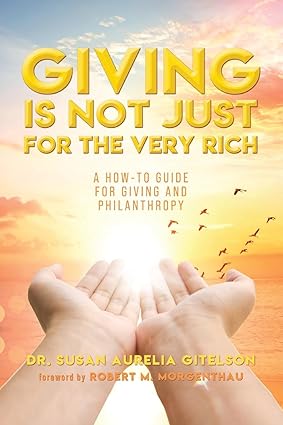
Susan Aurelia Gitelson’s book Giving Is Not Just For The Very Rich reminds readers that meaningful philanthropy does not require vast wealth; it requires intention, creativity, and the willingness to involve the next generation. Families who build giving into their rhythms discover that generosity becomes not an obligation but a shared joy. Learn more about it in this article.
Why Family Giving Traditions Matter
Children learn generosity primarily through observation and participation. When parents talk about giving but never involve children in decisions, the lesson remains abstract. When families create regular opportunities to give together, generosity becomes woven into the fabric of family identity.
And so, children who participate in family giving develop stronger empathy, greater gratitude, and a deeper understanding of their own privilege. They learn that their choices matter, that their resources—whether money, time, or attention—can make a difference. These lessons rarely emerge from lectures; they grow from experience.
Family giving traditions also strengthen family bonds. When members gather to discuss values, choose causes, and celebrate impact, they connect around shared purpose. These conversations reveal what matters to each person, creating opportunities for younger members to express their concerns and older members to share their wisdom. The traditions become threads that weave generations together.
Gitelson’s work emphasizes that giving is accessible to families at every income level, and holiday donations represent just one opportunity among many to practice generosity together.
Starting Simple: The Giving Jar
One of the simplest family giving traditions requires nothing more than a jar and regular conversation. Families place a container in a visible location—the kitchen counter, the dining table, the entryway—and encourage all members to contribute. The amount matters less than the habit.
Each family decides what goes into the jar: loose change, a portion of allowance, money saved from skipping a treat, or a set contribution from each paycheck. The jar becomes a visual reminder of the family’s commitment to share. Children watch the jar fill, understanding that small contributions accumulate into meaningful gifts.
The real tradition begins when the jar is full. Families gather to count what they have saved, discuss where it might go, and decide together which organization or cause will receive their gift. This decision-making process teaches children that generosity requires not only giving but discernment—choosing where to give with intention.
Shared causes emerge naturally from these conversations. A child may remember a friend who benefited from a local food bank. A parent may recall an organization that served a family member during illness. The family’s giving expresses their collective values.
Celebrating Birthdays with Giving
Birthday traditions centered on generosity transform celebrations from pure consumption toward gratitude and sharing. Some families ask guests to bring donations for a chosen cause instead of gifts. Others have children select a portion of their birthday money to give away. Still others celebrate by volunteering together—serving meals, assembling care packages, or visiting isolated seniors.
These traditions teach children that their special days can be occasions for blessing others. The lesson is not that receiving gifts is wrong, but that celebration and generosity can coexist. A child who gives from birthday money learns that generosity does not require sacrifice; it can be woven into joy.
Teaching kids about generosity through birthday giving works especially well because the occasion is already meaningful. The child already feels celebrated; adding a giving component extends that celebration outward. Parents can help children choose causes they care about, making the gift personally significant rather than abstract.

Holiday Giving as Family Practice
The holiday season offers natural opportunities for family giving. Many families adopt a tradition of selecting gifts for families in need, shopping together, and delivering presents. Others volunteer together at shelters, food banks, or nursing homes during the holiday week. Some set aside a portion of their holiday budget for a cause the family chooses together.
What distinguishes these traditions from occasional giving is their regularity and their inclusive nature. When the same practices recur year after year, children anticipate them. They look forward to the shopping trip, the volunteer shift, and the family meeting where they decide where holiday donations will go. The traditions become anchors in the family calendar.
Family philanthropy ideas during holidays can also include giving experiences rather than objects. Families might give memberships to museums or cultural institutions that serve all community members, or sponsor families through local organizations that match donors with those in need. The variety keeps traditions fresh while maintaining their generosity focus.
Building a Family Giving Fund
Some families formalize their giving traditions by establishing a family giving fund. This might be as simple as a dedicated savings account or as structured as a donor-advised fund through a community foundation. The key is that the fund exists specifically for family-directed charitable giving.
Family members contribute to the fund regularly, and at agreed intervals—monthly, quarterly, or annually—they gather to decide how to allocate accumulated resources. This structure teaches children that giving is not a one-time event but an ongoing commitment. It also provides practice in research, discussion, and collective decision-making.
Children can take increasing responsibility as they grow. Younger children might help choose among preselected options. Older children can research organizations, present findings to the family, and lead discussions about where funds should go. Raising generous children involves gradually transferring responsibility, allowing young people to experience the satisfaction of making their own giving decisions.
A Tradition Worth Remembering
Family giving traditions ideas transform generosity from an occasional act into a defining family practice. Through giving jars, birthday gifts shared, holiday traditions, family funds, and regular volunteering, families weave generosity into the fabric of daily life.
Susan Aurelia Gitelson’s Giving Is Not Just For The Very Rich reminds readers that meaningful giving requires intention, not wealth, and family traditions represent one of the most powerful ways to cultivate that intention across generations. The families who give together discover that their resources multiply in impact and that their bonds strengthen through shared purpose. Generosity becomes not what they do but who they are. So, grab a copy of this fantastic book today!

0 Comments