

Photo by benzoix
Before giving any money away, use a charity transparency checklist: a simple tool that helps you check if an organization is honest and effective.
Dr. Susan Aurelia Gitelson writes in her book that “[it] is important to be very selective and careful in making contributions.”
This means you should always take into account the various backgrounds and efficiencies of groups before giving to them, whether it be money or time. While many charities exist, not all have the complete wherewithal to operate effectively, with some spending too much on fundraising or salaries, while others only wish to have the effect of being a charity.
Yet, there are others who do great work with every dollar.
The checklist helps you tell the difference.

Photo by azerbaijan_stockers
Considerations Before Donating
Know What You Care About
People give for many reasons: some want to help their community, and others care more broadly about children, animals, or sick people.
Dr. Gitelson explains, “Do you want to help others with your abilities, ideas, and assets? Then you will wish to decide what your major values and motivations are.”
Take into account what matters most to you, and think about causes close to your heart. A personal connection makes giving more meaningful while also keeping you interested in learning about the charity’s work.
Set store by your own experiences when choosing where to give. Giving feels much better when it matches your values and makes you stay involved longer and care more about results.
Give weight to causes you know something about. Let your knowledge help you spot good programs. Interest and familiarity help you ask better questions because you understand what real progress looks like.
This makes your giving smarter from the start.
Check the Charity’s Track Record
Good intentions are not enough. Charities must show they actually help and have helped people. Dr. Gitelson suggests asking, “If they did not exist, would they really be missed?”
This question gets to the heart of whether an organization has actually made an impact on the community.
Consider how long the charity has been in operation. Old groups often have steady systems, while new groups bring fresh ideas. Both can and have the capability to do good work.
The key, of course, is how their results fare against each other.
Look for stories about people who have been helped and see if they share numbers and facts. Real charities report both successes and struggles, but be ever mindful of how charities talk about their work: groups that brag too much might be hiding problems compared to groups that share honest updates, which often means they probably do better work.
Ask if they visit the places they help. Do they listen to the people served? The best charities learn from the communities they support.
Make allowance for the fact that change takes time. Feeding hungry people happens fast, but teaching kids to read takes years.
Each goal needs different measures of success. Therefore, know what realistic progress looks like for your cause.
Look at Money and Leadership
Money matters in charity: where it comes from and how it moves. The answers to these two questions tell you a lot about the organization you plan on working with. Also, consider who runs the organization. Dr. Gitelson advises, “Who are the leaders? Do you know them personally? Have you been impressed favorably by what you have read about them?”
Check if leaders get paid too much because some salaries take money from programs–and while that’s perfectly understandable, there are salaries that look too bloated. Good charities pay fair wages, not huge sums.
Therefore, look at board members, too. Do they give their own money? Boards that donate show real commitment.
You might also want to consider how the charity raises funds. Calls from telemarketers cost money, so only part of your gift reaches the cause. Giving directly on the website often results in more money going to programs. Therefore, watch out for groups that pressure you to give now.
Real charities let you decide in your own time.
Plan for the Long Haul
Giving works best when you think ahead. Dr. Gitelson suggests asking, “Do you want to have an open-ended commitment to a certain organization or do you want to set yourself time limits?”
Both ways work; the key is knowing what your own goals are.
Consider whether you want to see results yourself because, as mentioned earlier, some changes happen fast, while some take a very long time. Yet, regardless of its length, each kind of giving matters to someone.
Know which fits your patience level.
Set store by what you want to leave behind. There are some people who give just to feel good about life (and that’s fine!), while there are others who leave money in wills, wanting to contribute to the community even beyond death.
Both ways change the world, so plan now for what feels right to you.

Photo by DC Studio
Some charities do not deserve your money. That’s why knowing warning signs protects your intentions and your efforts.
Consider these red flags before donating:
- Groups that beg for money too much. Calls that demand you give now are gimmicks to force you to give without thinking. Real charities respect your time. They share information and let you decide.
- Groups that have names similar to other groups. Some fake groups use names similar to those of real charities to trick people into donating to them. They hope you give without checking. Look up the exact name and website. Real charities have clear contact information.
- Groups that hide their finances. If they will not share simple facts, walk away. Many good charities need help. Find one that welcomes your questions.
As such, the most effective method is almost always giving directly to the charity because, at the very least, that money goes toward immediate help.
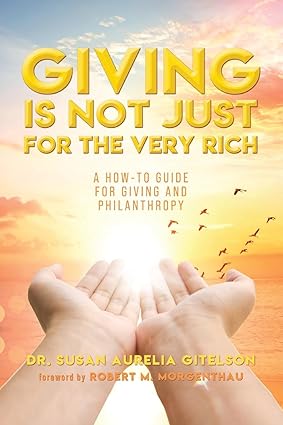
Want to learn more about giving wisely? Dr. Susan Aurelia Gitelson’s book, Giving Is Not Just For The Very Rich, offers hundreds of ideas and examples. Pick up your copy today and start making your donations count for more.

0 Comments